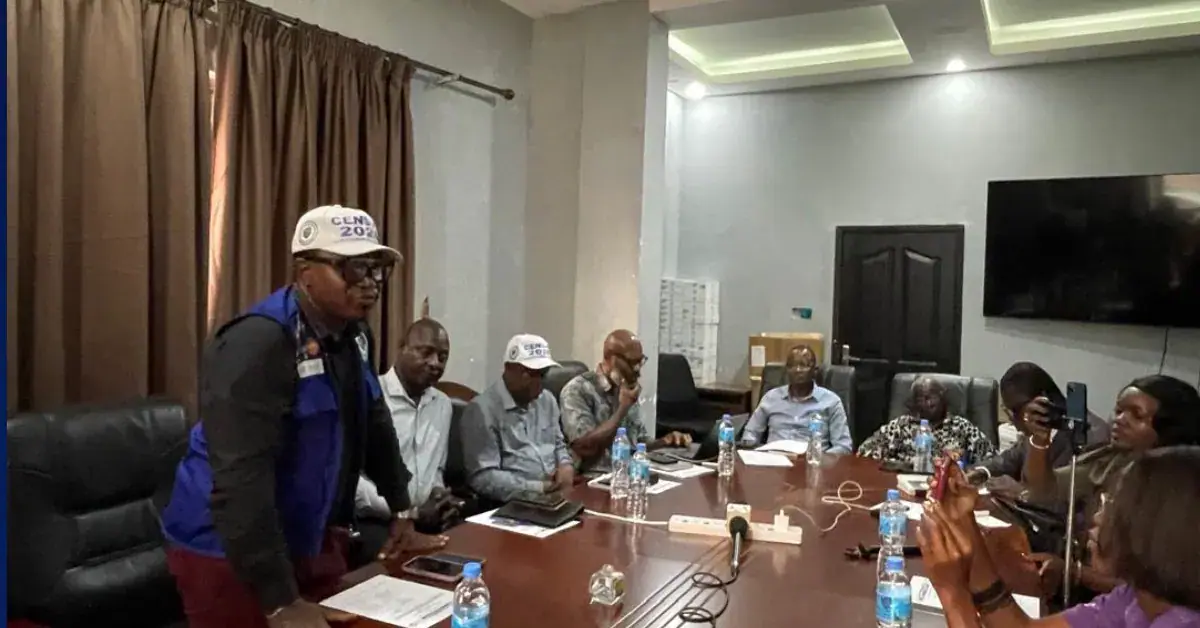
Statistics Sierra Leone has confirmed the deployment of 28,838 personnel for the 2026 Population and Housing Census, set to begin on December 1. The Statistician-General and Chief Census Officer, Andrew Bob Johnny, announced this during the institution's inaugural weekly census press conference on November 25. The deployment figure follows a rigorous recruitment and training process, which saw 31,352 applicants shortlisted and 30,652 attend training sessions.
A total of 30,085 individuals sat for the final examination, with 28,838 expected to participate in the actual census exercise. Deputy Statistician-General Lansana Kpewolo Kanneh provided an update on the recruitment and training process, highlighting the extensive preparations undertaken by Statistics Sierra Leone. The institution has completed national cartographic mapping, the Pilot Census, the Mock Census, and all three stages of training for master trainers, trainers, enumerators, and supervisors.
The completed exercises have helped test the census questionnaire, improve household interview procedures, and prepare field personnel for the main enumeration. However, Johnny acknowledged challenges during training, including tablet availability at some centers, last-minute changes to training venues, and workloads in certain enumeration areas. To address these issues, Statistics Sierra Leone has received an additional 3,000 tablets to supplement its existing equipment and secured the necessary tablets and power banks for the exercise.
Theophilus Blaudfaust, Director of Data Science, highlighted the benefits of conducting the 2026 census digitally, particularly in improving data quality, monitoring field operations, and strengthening information security. The digital system will allow Statistics Sierra Leone to monitor enumerators' activities in real-time and use GPS-enabled technology to verify their locations. This approach was developed with international partners and experts, incorporating established standards and security measures to protect collected information.
Kunle Adeniyi, Country Representative of the United Nations Population Fund (UNFPA), reaffirmed the importance of conducting the census in line with internationally recognized standards. The 2026 exercise falls within the United Nations' 2030 round of population and housing censuses, covering the period from 2025 to 2034. Adeniyi emphasized the use of Computer-Assisted Personal Interviewing (CAPI), GPS-enabled tablets, and geographic information systems to ensure comprehensive coverage of buildings, households, and individuals.
The census has an end-to-end data management system supported by cloud servers, security protocols, and disaster recovery mechanisms. Census instruments have undergone several rounds of testing during the pilot and mock exercises and enumerator training. Adeniyi said the exercise aims to establish where people live, who lives in each household, and their living conditions, providing information to support national development planning and decision-making.
Andrew Bob Johnny urged households to cooperate with enumerators and provide accurate information when approached. He emphasized that a person's location on Census Night, December 1, will determine where they are counted. Households can continue their normal activities during enumeration, and one responsible member familiar with the household can provide information on behalf of everyone who slept there. The institution has committed to providing weekly updates to the media and the public throughout the census process.
Key points
- 28,838 personnel will be deployed for the 2026 Population and Housing Census in Sierra Leone.
- The census will be conducted digitally to improve data quality and monitoring.
- The exercise aims to establish where people live, who lives in each household, and their living conditions.
Reporting sources
- Statistics Sierra Leone Sets 28,838 Personnel for December Census · sierraloaded.sl