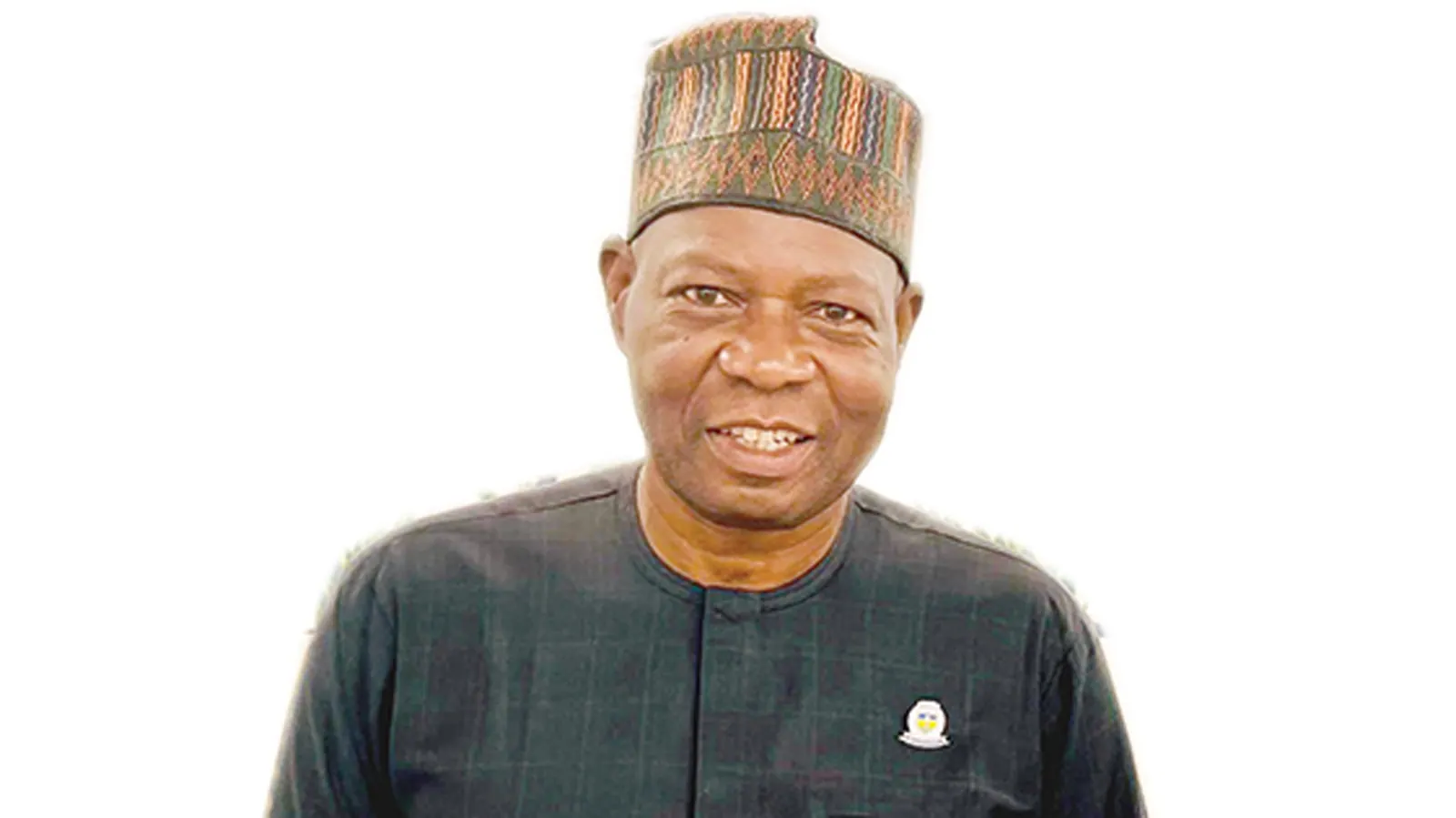
The Director-General of the National Institute of Police Studies (NIPS), Professor Olu Ogunsakin, has emphasized the need for state police in Nigeria to address the country's diverse security realities. With a federal police system in place, Ogunsakin argues that a centralized policing structure may not effectively respond to the unique needs of various states. A proposed reform aims to create a dual policing architecture, comprising a Federal Police Service and State Police Services operating under common national standards.
The proposed state police system would allow for local responsiveness while maintaining national standards. Each state would need to meet prescribed legislative, institutional, and professional requirements before commencing operations. The goal is to bring policing closer to communities, improve intelligence gathering and response, and strengthen public confidence without weakening national cohesion. This approach would enable states to address specific security concerns, such as those in Sokoto, Lagos, or Borno.
To prevent governors from misusing state police as political tools, the proposed framework includes institutional design and strong safeguards. The framework separates political leadership from operational policing, providing for nationally prescribed minimum standards, independent inspection and certification, and statutory complaints and accountability mechanisms. This would ensure that operational policing remains professional, impartial, and subject to the law.
The appointment and removal of state police commissioners would be subject to a transparent process. An independent State Police Authority would make appointments, with confirmation by the State House of Assembly and formal appointment by the governor. Removal would only occur on specified statutory grounds, following an independent investigation and due process. This approach aims to ensure that police commissioners owe allegiance to the Constitution and the law, rather than to individual governors.
The reform also addresses concerns about unequal policing across states. An equalization mechanism would be established to support poorer states, ensuring that citizens receive effective and professional policing regardless of their state of residence. Funding for state police would combine state operational resources, federal equalization grants, technology and training support, and mandatory national benchmarks for salaries and welfare.
The Nigeria Police Force (NPF) would be transformed into a Federal Police Service, focusing on areas such as terrorism, organized crime, and border security. State Police Services would concentrate on community policing, local crime investigation, and neighborhood safety. The two levels would need to complement each other, with joint operational protocols and intelligence sharing for cases that cross state boundaries.
The reform would prioritize the welfare and careers of serving police officers, allowing for voluntary mobility between the Federal Police Service and State Police Services while preserving rank equivalence, pensions, and legitimate career progression. Clear rules would be established for transfer, recruitment, promotion, training, retirement, and welfare to ensure continuity of careers and standards.
Key points
- The proposed state police reform aims to balance local responsiveness with national standards.
- The reform would establish a dual policing architecture, comprising a Federal Police Service and State Police Services.
- Strong safeguards would be implemented to prevent governors from misusing state police as political tools.