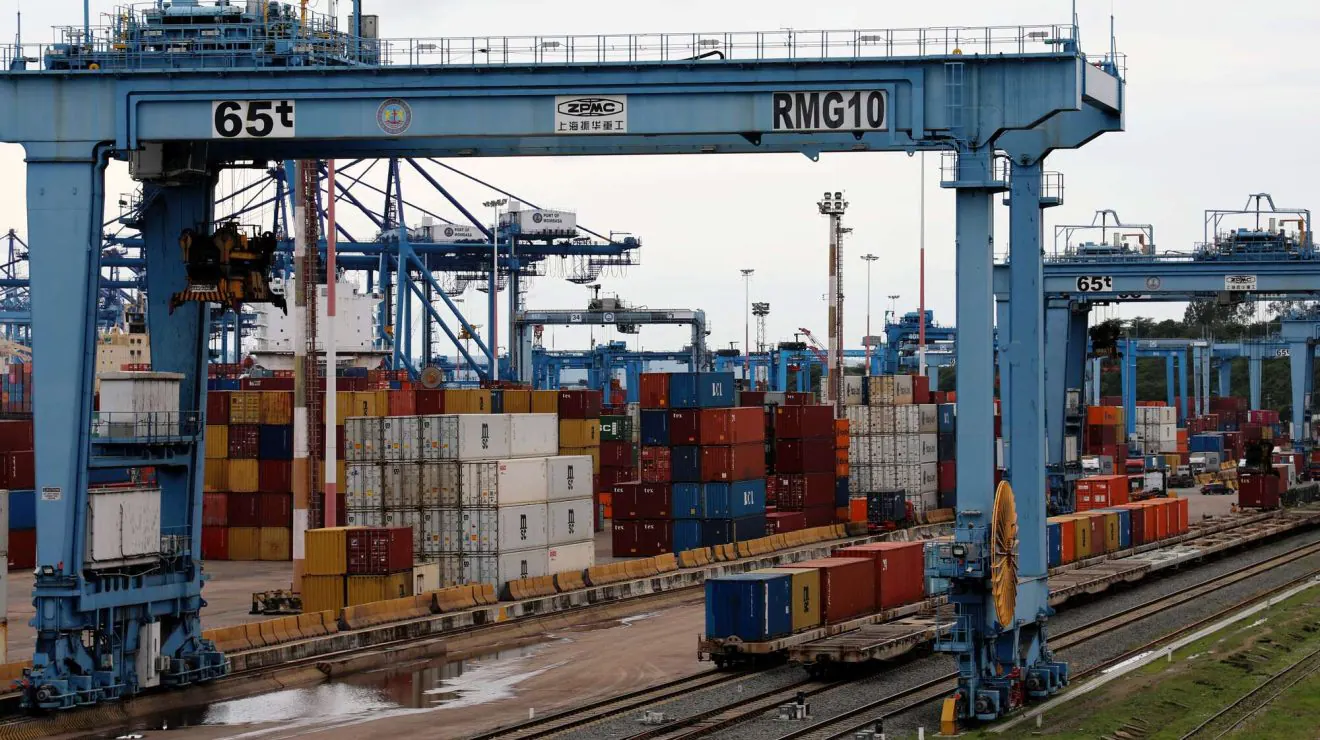
Kenyan state agencies responsible for handling cargo have defended new regulatory requirements aimed at tightening export and import controls. The measures, being implemented at the Port of Mombasa, are intended to strengthen oversight while ensuring cargo movement continues. The changes include cargo screening, testing, customs declarations, and environmental compliance. These requirements are part of efforts to enhance supply-chain security.
Traders will be required to comply with the new procedures, which have raised concerns about the potential stifling of trade. However, state agencies argue that the measures are necessary to prevent illicit activities and ensure compliance with international standards. The Port of Mombasa is a critical entry point for goods into Kenya and the wider East African region.
The implementation of the new rules is part of Kenya's efforts to strengthen its regulatory framework and improve trade facilitation. The country has been working to enhance its cargo handling processes, including the introduction of electronic data interchange systems. These efforts aim to reduce clearance times and increase efficiency.
The new regulations have been introduced as Kenya seeks to balance trade facilitation with supply-chain security. The state agencies involved in cargo handling are working to ensure that the measures are implemented in a way that minimizes disruptions to trade. This includes providing support to traders and logistics providers to help them comply with the new requirements.
The concerns about the new rules stifling trade are not unfounded. The East African region has experienced significant growth in trade in recent years, and any disruptions to cargo movement could have significant economic impacts. However, state agencies are working to mitigate these risks and ensure that trade continues to flow smoothly.
The introduction of the new regulations is part of a broader effort to enhance Kenya's trade environment. The country has been working to improve its business climate and increase its competitiveness. The implementation of the new cargo rules is expected to contribute to these efforts and help to promote economic growth.
The state agencies responsible for implementing the new regulations will be working closely with traders and logistics providers to ensure a smooth transition. This includes providing training and support to help them comply with the new requirements. The agencies are also working to address any concerns or issues that may arise during the implementation process.
Key points
- The new regulations include cargo screening, testing, customs declarations, and environmental compliance.
- The measures aim to strengthen oversight and prevent illicit activities while ensuring cargo movement continues.
- The implementation of the new rules is part of Kenya's efforts to enhance its regulatory framework and improve trade facilitation.