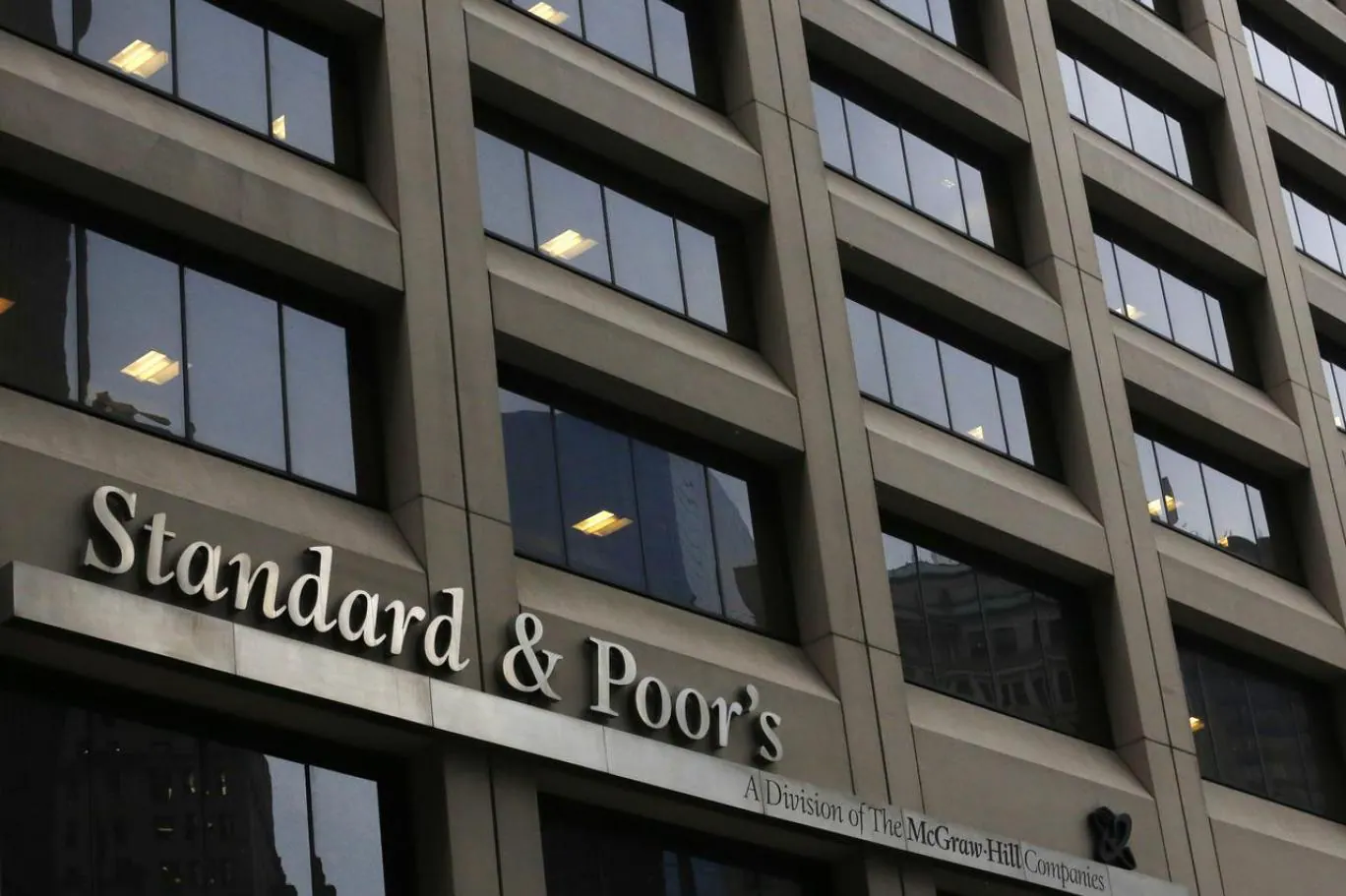
Standard & Poor's credit rating agency expects Egypt's public debt to decline to 87% of GDP by June 30, 2027, down from a peak of 94% on June 30, 2023. The decline is attributed to strong economic growth and commitment to using proceeds from asset divestment to reduce debt. This is part of the state's policy to increase private sector participation in the economy and improve the business environment.
Despite the decline in public debt, Egypt's total financing needs remain high, exceeding 30% of GDP. The financing needs, which include the budget deficit and local and external debt repayments, are still a concern. Local debt repayments account for 85% of total financing needs. Egypt has made progress in reducing financing needs by 5% of GDP in the 2026 fiscal year.
The reduction in financing needs is attributed to extending the maturity of short-term local debt instruments and utilizing proceeds from asset divestment. Regarding external obligations, Egypt is required to pay $2.9 billion in external commercial debt in the 2027 fiscal year, $3.4 billion in 2028, and $2.9 billion in 2029. The country's economic growth rate is expected to slow down to 4.5% in the 2027 fiscal year.
The slowdown in economic growth is due to ongoing shipping disruptions, which are affecting trade, logistics, and import prices. However, Egypt's economy has shown resilience, with a 5.1% growth in GDP in the 2026 fiscal year, the highest in three years. The growth was driven by key sectors, including non-oil manufacturing, wholesale and retail trade, information and communication technology, and tourism.
The growth in Egypt's economy has been supported by household consumption, which has been boosted by record-high remittances, declining inflation, and stable labor market conditions. However, the agency expects consumption and investment to decline due to ongoing uncertainty and high inflation. The implementation of reforms, including exchange rate liberalization, is expected to enhance the economy's competitive structure in the medium term.
Standard & Poor's expects Egypt's economy to continue growing, driven by key sectors and supported by household consumption and investment. The agency has affirmed its confidence in Egypt's economic prospects, citing the country's commitment to implementing reforms and improving the business environment. The decline in public debt and reduction in financing needs are expected to support Egypt's economic growth.
The Egyptian government has been working to implement reforms and improve the business environment, including increasing private sector participation in the economy. The government aims to enhance the country's competitiveness and attract investment. The implementation of these reforms is expected to support Egypt's economic growth and improve its credit rating.
Key points
- Egypt's public debt is expected to decline to 87% of GDP by June 2027.
- The country's total financing needs remain high, exceeding 30% of GDP.
- Egypt's economic growth rate is expected to slow down to 4.5% in the 2027 fiscal year.