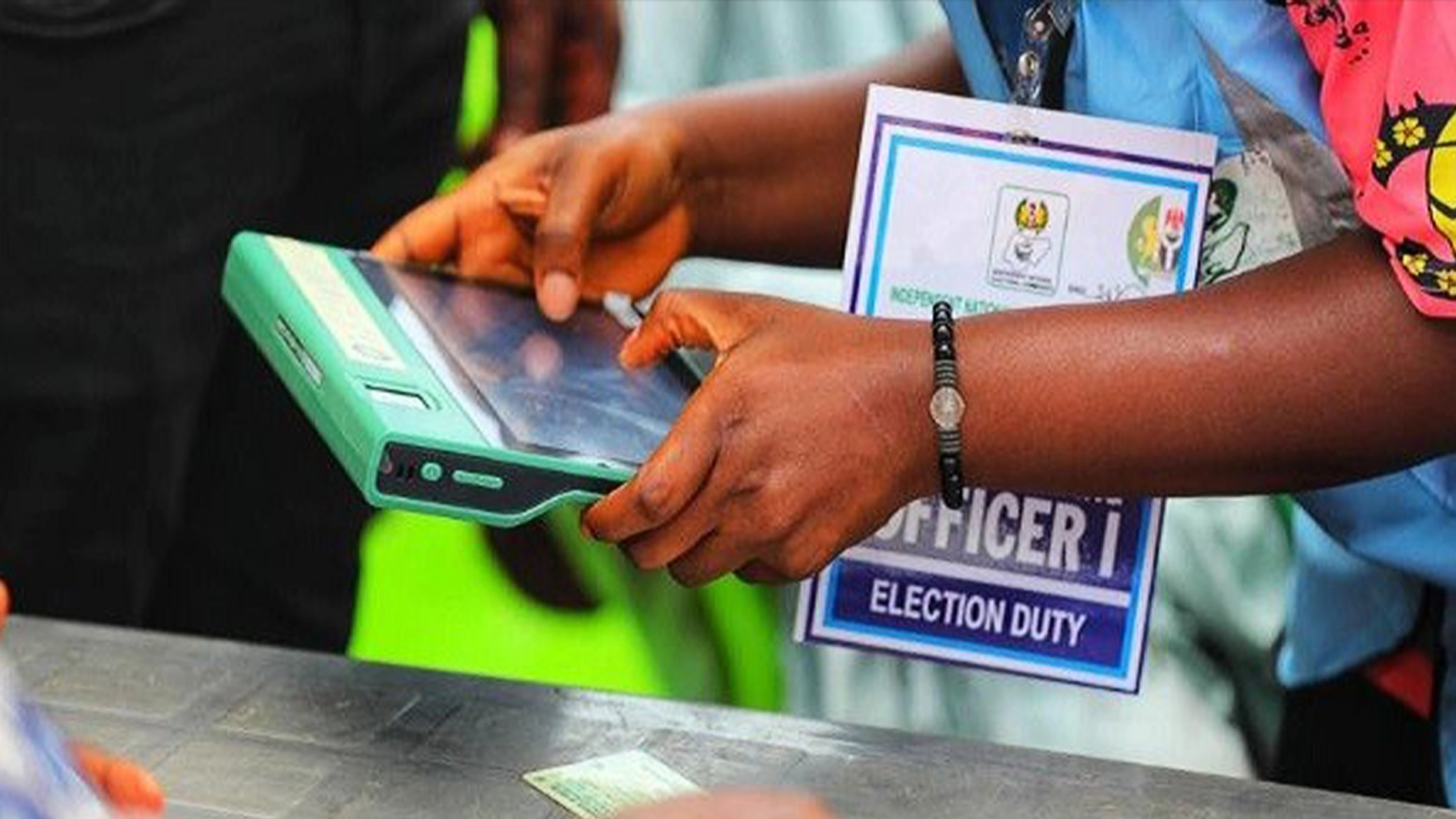
Ahead of the 2027 general elections in Nigeria, various stakeholders have called for urgent measures to address electoral violence, voter intimidation, and shortcomings in results transmission. The demand was made at the first Multi-Stakeholder Roundtable on Electoral Reform Implementation, Electoral Integrity and Youth Participation, organised by Kimpact Development Initiative (KDI) and partners in Abuja. The roundtable brought together representatives of the Independent National Electoral Commission (INEC), Inter-Party Advisory Council (IPAC), Economic and Financial Crimes Commission (EFCC), and other key stakeholders.
The meeting examined lessons from the 2026 off-cycle governorship elections in Ekiti and Osun states and considered measures to strengthen the 2027 general elections. A live audience poll conducted during the roundtable showed that 58 per cent of participants identified results transmission and collation as the biggest gap between electoral laws and their practical implementation. Election Day operations accounted for 26 per cent, while pre-election activities accounted for 16 per cent. Participants also identified electoral violence, voter intimidation, and security collusion as the most pressing threat to the credibility of the 2027 elections.
The stakeholders expressed concern over public mistrust following the 2023 presidential election, primarily due to INEC’s failure to timeously upload polling unit results to the IReV portal. They noted that delays in uploading results could weaken public confidence even where the underlying results were accurate. The participants cited a reported delay of about two hours in Osun as an example of how delays could affect public trust. They further observed that the Electoral Act 2026 had given legal recognition to technology in the electoral process.
The stakeholders urged INEC to make result management for the 2027 elections more transparent, effective, and timely in accordance with the Electoral Act 2026 and its guidelines. They called on the Police, EFCC, and ICPC to diligently prosecute vote buyers and sellers, perpetrators of electoral violence, and other electoral offenders. Security agencies were urged to maintain strict neutrality and professionalism and collaborate with relevant stakeholders to secure polling environments and border communities.
The stakeholders also urged the National and State Assemblies to expedite legislative measures establishing an Independent Electoral Offences Commission to ensure transparent and prompt prosecution of electoral offenders. They called on INEC and other relevant agencies to commence aggressive public education campaigns well ahead of the 2027 elections, covering voter responsibilities and electoral procedures. The campaigns should extend beyond Abuja to combat misinformation and improve citizens’ understanding of the electoral process.
The meeting recommended amendments to the constitutional and legislative framework governing the appointment of INEC leadership. The participants proposed an independent, non-partisan, and stakeholder-based appointing committee to insulate the electoral commission from political bias and strengthen public confidence in its independence. They also recommended periodic dialogue and review mechanisms to assess progress in implementing electoral reforms.
The communiqué issued after the meeting was signed by various stakeholders, including INEC, IPAC, EFCC, and civil society organisations. The participants reaffirmed their commitment to strengthening electoral integrity, deepening public confidence in democratic institutions, and promoting meaningful youth participation in Nigeria’s electoral process. They stressed that lessons from the Ekiti and Osun governorship elections should inform preparations for the 2027 general elections.
Key points
- Stakeholders demand urgent measures to address electoral violence and shortcomings in results transmission ahead of the 2027 general elections.
- The 2027 general elections are expected to be strengthened by measures addressing electoral violence, voter intimidation, and result transmission.
- Stakeholders propose amendments to the constitutional and legislative framework governing INEC leadership appointment to ensure independence and public confidence.