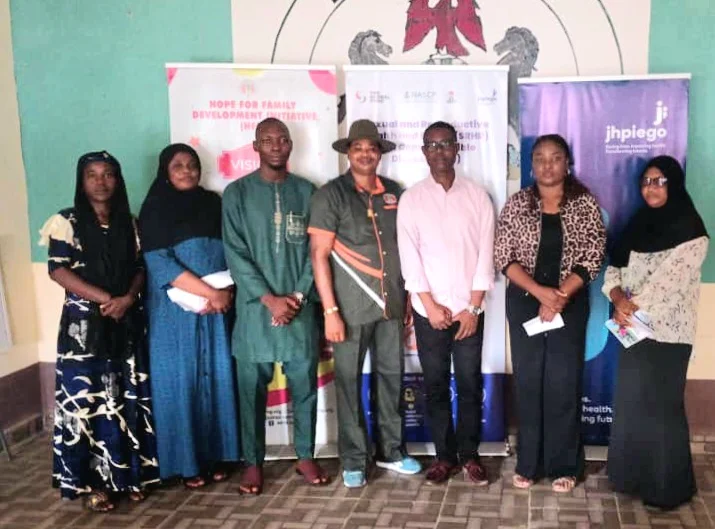
Stakeholders in Kwara State, Nigeria, have called on journalists to expose rights abuses, gender-based violence, discrimination, and stigma against vulnerable populations. The call was made during a sensitisation meeting on Stigma, Rights Abuse, Gender-Based Violence, and Discrimination. Organised under the Advancing Integrated Health Services Delivery for Sexual and Reproductive Health and Rights and Communicable Diseases project, the meeting aimed to equip journalists with the skills to report on these issues effectively.
The Executive Director of the Hope for Family Development Initiative, Stephen Akinyele, emphasized the crucial role journalists and social media influencers play in promoting accurate information about vulnerable populations. He stressed that the media must disseminate stigma-sensitive information, challenge harmful misconceptions, and protect the privacy and dignity of people living with HIV, adolescents, and GBV survivors. HFDI has reached 50,000 community members with sexual and reproductive health messages in Kwara State.
According to Akinyele, HFDI has sensitised 250 community and religious leaders, facilitated 30 community-led initiatives on stigma and discrimination, and organised 50 referral coordination meetings. The organisation has also documented 2,470 completed referrals to strengthen access to sexual and reproductive health and communicable disease services. The project, funded by the Global Fund, is implemented by Jhpiego, with HFDI serving as a partner in Offa, Asa, and Moro Local Government Areas.
The Project Director, Chioma Oduenyi, represented by Jhpiego State Team Lead Williams Awotunde, explained that the project integrates sexual and reproductive health services with interventions on HIV, tuberculosis, malaria, and sexually transmitted infections. The integrated approach allows clients to access multiple services during a single visit, reducing the time and cost of accessing healthcare. Jhpiego currently supports 15 primary healthcare centres across Offa, Asa, and Moro LGAs.
Oduenyi called for sustained community engagement involving traditional and religious leaders, Ward Development Committees, and other community structures to address stigma and gender-based violence. She highlighted the importance of promoting skilled birth attendance to reduce maternal and newborn mortality. The stakeholders urged the government, healthcare providers, communities, development partners, and media organisations to collaborate to promote equitable access to healthcare.
The stakeholders emphasized the need for journalists to report on rights abuses and GBV while protecting the dignity and privacy of victims. They also stressed the importance of accurate and stigma-sensitive information in promoting positive change. The meeting aimed to equip journalists with the skills to report on these issues effectively and promote positive change in Kwara State.
The collaboration between stakeholders, journalists, and media organisations is crucial in promoting equitable access to healthcare and protecting vulnerable people from stigma, discrimination, and rights abuses. The project has made significant progress in Kwara State, and continued efforts are needed to sustain the momentum and promote positive change.
Key points
- Journalists urged to report on rights abuses and GBV in Kwara State.
- Stakeholders call for collaboration to promote equitable access to healthcare.
- Project integrates sexual and reproductive health services with interventions on HIV, tuberculosis, malaria, and sexually transmitted infections.