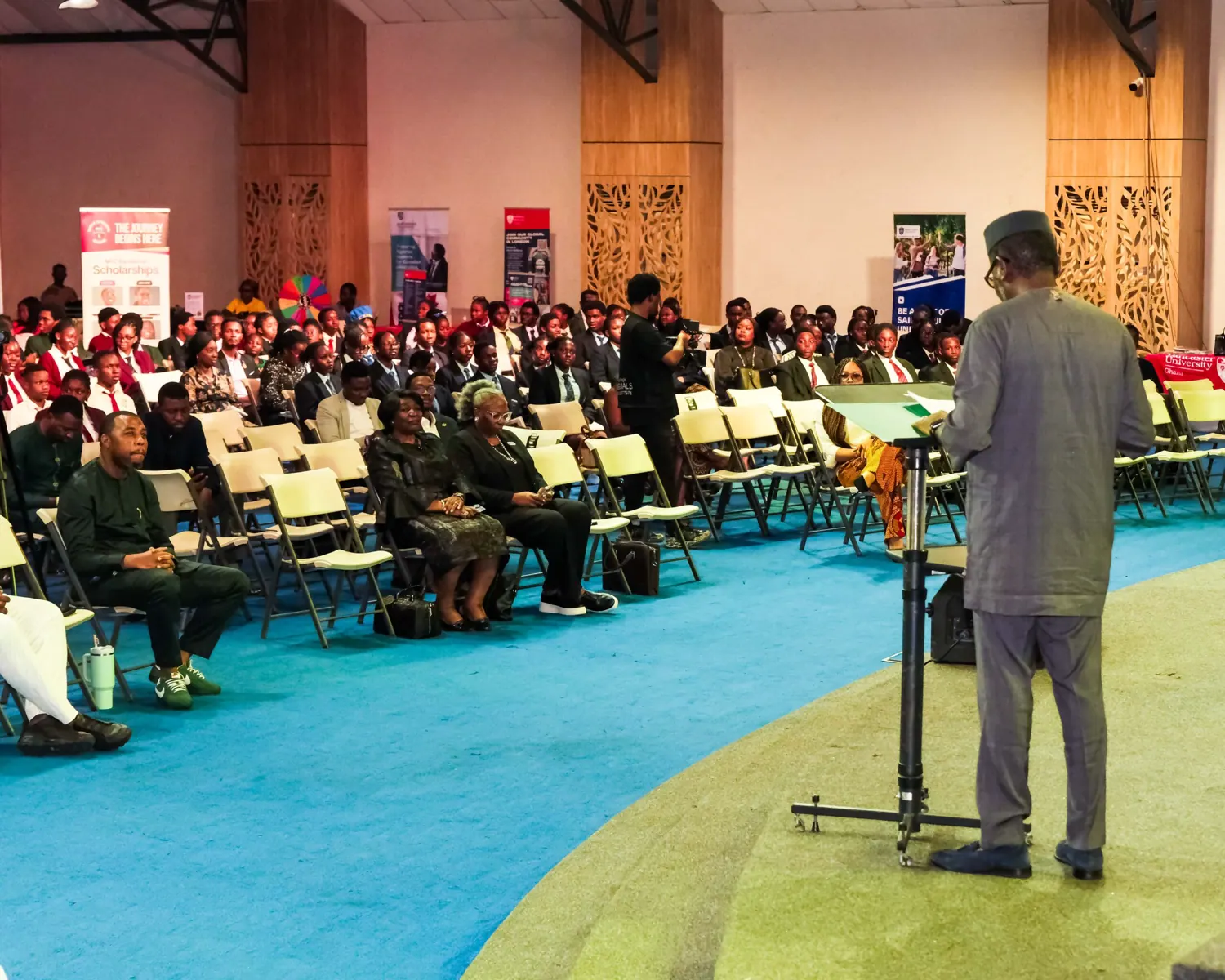
Education stakeholders in Nigeria have emphasized the need for greater investment in nurturing, guiding, and commercializing students' talents to unlock the country's creative economy potential. This call was made at the 2026 Ultimate Pathways Fair conference, held in Lagos, where educators, industry experts, and stakeholders explored ways to connect students' talents with emerging opportunities. The conference, organized by Plumptre Advisory, aimed to provide strategic clarity and guidance to students.
Lai Koiki, chairman of the Association of Private Educators in Nigeria (APEN), stressed that young people must look beyond popular destinations and focus on careers that align with their abilities, interests, and values. Koiki emphasized the importance of mentorship and guidance in helping students make informed decisions about their future. Education, she said, should help young people discover who they are, understand the world around them, and prepare them to make a meaningful contribution.
Yemisi Ogunlade, principal consultant at Plumptre Advisory, explained that the conference aimed to provide students with direct access to school leaders, admissions directors, and educational experts. The conference, themed 'The Ultimate Pathways Fair 2026: International School Destinations, Careers and Beyond', sought to foster authentic fellowship and offer structured guidance tailored to students' needs. Ogunlade encouraged students to look beyond logos and reputations to find educational environments that value and cultivate their unique gifts.
Abimbola Olashore, president and chairman of the Nigerian-British Chamber of Commerce, highlighted the importance of the creative economy and entrepreneurship. He noted that the creative industry is not just about performers but also includes producers, lawyers, accountants, marketers, and data analysts. Olashore emphasized that Nigeria has talent but lacks structure, particularly in protecting intellectual property.
Global reports indicate that the creative economy is a multi-trillion-dollar sector, with growth trends in music, film, and digital content creation indicating high-earning global careers. Tochukwu MacFoy, founder of Energize Central and SameEnergy Global, described the creative economy ecosystem as serious business, driven by technology and Africa's young population. MacFoy noted that Africa's median age is 19 years old, and the continent will grow with the technology of its time.
Funke Bucknor-Obruthe, founder and group CEO at Zapphaire Events Group, shared her career trajectory from legal practice to event management. She noted that her transition was not easy, as her parents initially lacked knowledge about the business. Bucknor-Obruthe highlighted the multiplier effect of jobs in the event management industry, which includes creative designers, photographers, videographers, and logistics teams.
The stakeholders' call for investment in student talents comes as Nigeria seeks to unlock its creative economy potential. The growth of the creative economy is expected to create new career opportunities and drive economic growth. Key to this growth is ensuring that students receive guidance, education, and opportunities to build meaningful futures.
Key points
- Education stakeholders call for greater investment in nurturing students' talents.
- The creative economy is a multi-trillion-dollar sector with high-earning global careers.
- Nigeria's young population and technology will drive growth in the creative economy.