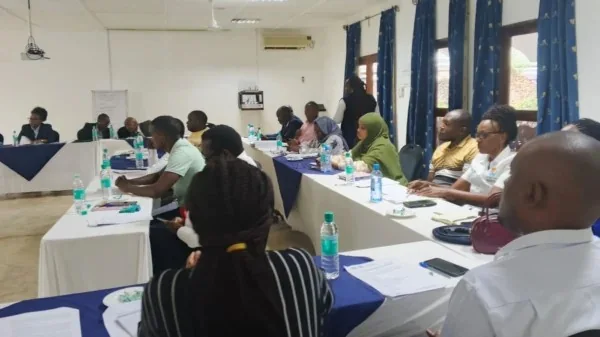
Stakeholders have called for improved evidence handling in the Arabuko Sokoke forest to effectively combat illegal activities such as logging, charcoal making, and poaching. At a recent meeting held at the Kenya Forestry Research Institute in Kilifi, officials from the Kenya Forest Service and wildlife agencies were urged to strengthen their investigative work and enforcement. This move aims to prevent cases of illegal timber extraction, charcoal production, and wildlife poaching from failing in court due to inadequate evidence.
The meeting, which took place inside the Arabuko Sokoke forest, highlighted the need for thorough investigations and proper preservation of evidence. Esther Macharia, Senior Assistant Director of Public Prosecutions for Kilifi County, emphasized that forest and wildlife officers must carry out comprehensive investigations, maintain intact exhibits, and ensure an unbroken chain of custody. This, she stressed, is crucial for admitting evidence in court and securing successful prosecutions.
Participants at the meeting also pointed out gaps in the current system, including incomplete probation reports and relatively light sentences in some wildlife and forestry prosecutions. These shortcomings, they warned, could negatively impact case outcomes and undermine efforts to protect the forest. The Arabuko Sokoke forest, covering approximately 420 square kilometers, is a key biodiversity hotspot along the coast, hosting over 270 bird species and supporting around 40 mammal species.
The forest faces significant pressures, with monitoring efforts recording extensive illegal hunting using snares and traps, as well as tree felling and charcoal making. A report on exploitation between 2018 and 2020 noted the removal of thousands of snares during patrols. The Kenya Forest Service has acknowledged the presence of illegal timber and charcoal extraction in both public and community forests and has increased patrols to enforce relevant laws.
To address these challenges, the parties involved have agreed to deepen their collaboration on suspect identification, evidence collection and preservation, and case preparation. This cooperation aims to enable a more effective response to emerging threats in the Arabuko Sokoke forest. By working together, stakeholders hope to improve the chances of successful prosecutions and ultimately protect the forest's ecological value.
The Arabuko Sokoke forest is recognized for its rich biodiversity, with many rare or endemic species. The Kenya Forest Service manages the forest, which is a critical habitat for various wildlife. Efforts to protect the forest are crucial not only for preserving its ecological value but also for supporting the livelihoods of communities that depend on it.
The agreed-upon steps for improved cooperation will be crucial in addressing the complex challenges facing the Arabuko Sokoke forest. By strengthening evidence handling and enforcement, stakeholders aim to reduce the incidence of illegal activities and ensure the long-term conservation of the forest.
Key points
- Improved evidence handling and cooperation among stakeholders are essential for combating illegal activities in the Arabuko Sokoke forest.
- The forest's ecological value and biodiversity make its conservation a priority.
- Strengthening investigative work and enforcement will help prevent cases from failing in court.