Stakeholders in Nigeria's built environment have emphasized the need for stronger collaboration to prevent building collapses and make Lagos a more resilient city. At a recent conference organized by the Building Collapse Prevention Guild, participants stressed that collective responsibility is crucial in addressing structural failures. They highlighted the importance of all stakeholders working together to ensure that buildings are properly designed, constructed, and maintained.
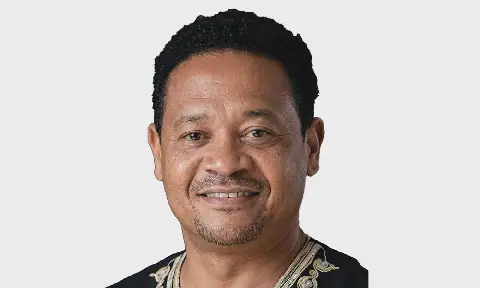
The conference, themed "Building Lagos by Synergy," aimed to address the persistent challenges confronting the state's built environment. Chairman of the conference, Dr. Austin Otuoke, an architect and safety practitioner, noted that the government, regulatory agencies, professionals, developers, and communities all have defined responsibilities in ensuring building safety. He identified the shortage of skilled artisans as a major challenge threatening construction quality.
Dr. Otuoke warned that the industry no longer has enough artisans with the requisite skills to deliver projects to acceptable standards. He emphasized that the rapid pace of urbanization and development in Lagos makes collaboration more urgent. Whistleblowers, community leaders, and residents must also be integrated into efforts to safeguard the built environment, he added.
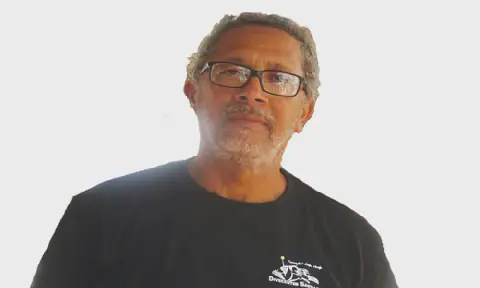
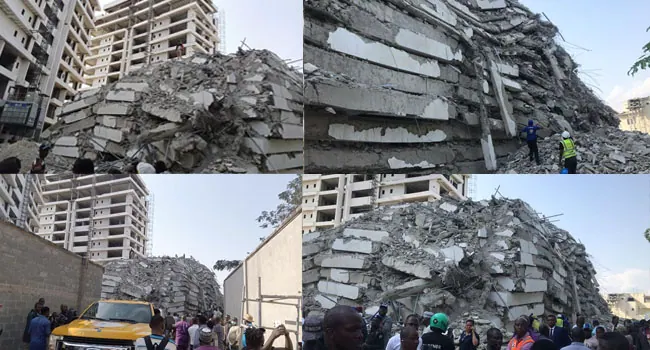
The Coordinator of the Building Collapse Prevention Guild Local Government Cell, Builder Chubike Okafor, said the conference was two years in the making and aimed to develop practical strategies for making Lagos a resilient state. The initiative was partly prompted by a building collapse at Alakija, which resulted in deaths and property losses. Okafor lamented the lack of cohesion among responders during the incident.
Okafor proposed a stakeholders' platform involving residents' associations, political leaders, state agencies, and built-environment professionals. This platform would enable residents to report structural defects and receive rapid intervention. He stressed the need for an effective early-warning and response mechanism, saying, "We don't have to wait until a building collapses."
Okafor also drew attention to flooding in Satellite Town, particularly in communities around the coastal area of the Ejegun River. Residents in these areas rely on pumping machines to remove floodwater from their properties. He urged stakeholders to develop sustainable solutions to the state's flooding and infrastructure challenges.
The initiative aims to become an annual program, taking the message of resilience and collective responsibility to communities across Lagos. The stakeholders' platform is expected to play a crucial role in reducing the risks associated with building failure and ultimately making building collapse a thing of the past in Lagos.
Key points
- Collaboration among stakeholders is essential to prevent building collapses and address flooding challenges in Lagos.
- The shortage of skilled artisans is a major challenge threatening construction quality in Lagos.
- An effective early-warning and response mechanism is necessary to prevent building collapses and respond to structural defects.