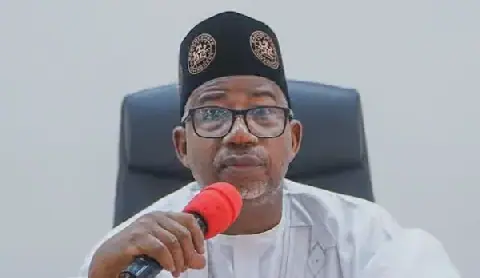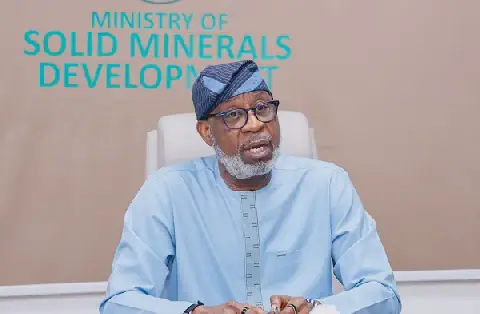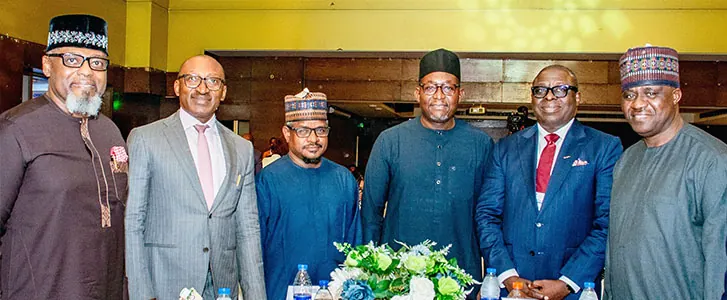
The third edition of the Nigeria Oil Refining Summit (NORS) was held in Lagos on September 28 and 29, 2026, with stakeholders emphasizing the need for Nigeria to promote indigenous refining. The summit brought together industry leaders, including Ed Ubong, Director of Decade of Gas Secretariat; Momoh Oyarekhua, Chairman of Crude Oil Refinery-owners Association of Nigeria (CORAN); and Rabiu Abdullahi Umar, Authority Chief Executive of Nigerian Midstream and Downstream Petroleum Regulatory Authority (NMDPRA). The stakeholders noted that Nigeria's crude supply shortfall despite huge production necessitates robust local refining.
Nigeria currently pumps about 1.68 million to 1.74 million barrels per day (bpd), but this may not be enough to meet the country's growing population's fuel demands. According to data from the Nigerian Upstream Petroleum Regulatory Commission (NUPRC), local refineries, including the 650,000 bpd Dangote Petroleum Refinery, will soon require more than 1.5 million bpd. The stakeholders stressed that Nigeria must prioritize indigenous refining to become Africa's refining hub and ensure energy security.
Adegbite Falade, Chairman of the Independent Petroleum Producers Group (IPPG), noted that Nigeria's problem is not geology, but rather converting reserves into production and ensuring domestic refining competitiveness. He cited NUPRC's January 2026 reserves, which put crude oil and condensate reserves at 37.01 billion barrels and gas at 215.19 trillion cubic feet. Falade emphasized the need for Nigeria to grow its production base, protect and modernize evacuation infrastructure, and create a transparent domestic crude market.
Momoh Oyarekhua, Chairman of CORAN, advocated for the institutionalization of the Naira-for-Crude policy, allowing qualifying domestic refineries to access crude. He also called for a domestic crude pricing template that reflects crude quality, delivery location, and domestic evacuation expenses. Oyarekhua stressed that Nigeria must enforce the Domestic Crude Supply Obligation under Section 109 of the Petroleum Industry Act (PIA) and allow workable commercial arrangements between producers and refiners.
Alhaji Aliko Dangote, Chairman of Dangote Industries, noted that building refineries is only the beginning, and a refinery is part of an interconnected value chain. He emphasized that competition must take place on a level playing field and that crude production and receipts by domestic refineries are promising signals. Dangote's refinery has been producing at 650,000 bpd, and crude receipts by domestic refineries rose to about 683,000 bpd in August 2026.
The stakeholders also discussed the need for a Refinery Development Financing Framework offering long-tenor loans, guarantees, and refinancing for new plants and capacity expansion. They emphasized that Nigeria must move from annual allocations to rolling supply planning, from mandates to bankable contracts, and from opaque discounts to transparent pricing. The goal is to ensure that Nigeria's statutory policy converts into commercial reality.
The Nigeria Oil Refining Summit aimed to promote indigenous refining and ensure energy security and economic growth. The stakeholders agreed that Nigeria must prioritize domestic refining, grow its production base, and create a competitive refining industry. With the Dangote refinery and growing modular plants, Nigeria is poised to become a refining hub for Africa.
Key points
- - Nigeria's oil refining sector gets a boost as stakeholders gather to promote indigenous refining and ensure energy security. - The country aims to prioritize domestic refining to become Africa's refining hub. - A Refinery Development Financing Framework is proposed to support new plants and capacity expansion.