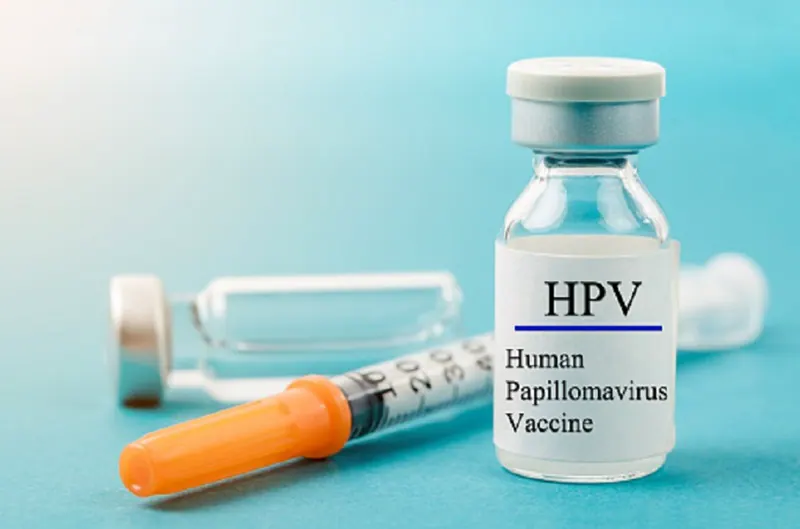
Nigeria has made significant progress in its fight against cervical cancer, vaccinating over 18 million adolescent girls against the Human Papillomavirus (HPV). This achievement demonstrates the value of collaboration between the government, private sector, and communities in tackling the disease. Stakeholders have urged stronger partnerships to build on these gains by expanding screening, early diagnosis, and treatment, ensuring women can access care across the cancer pathway.
The call for stronger partnerships was made at a policy roundtable convened by Merck Sharp & Dohme (MSD) in partnership with Africa Health Business (AHB) in Abuja. The theme of the roundtable was “Accelerating Cervical Cancer Elimination in Nigeria: Uniting Public and Private Sectors for Equitable Access.” Ms Vuyo Mjekula, Director of External Affairs, Policy and Market Access, MSD, South Africa and Sub-Saharan Africa, said the scale of the HPV vaccination program showed what could be achieved when government worked with communities and other stakeholders.
The National Primary Health Care Development Agency (NPHCDA) launched the HPV vaccination program in 2023, reaching about 12 million girls in its first year, with coverage subsequently rising to about 18 million. Mjekula identified education, awareness, and community mobilization as priorities, calling for an “all-of-society approach” involving faith-based organizations, traditional institutions, the media, employers, private healthcare providers, and community groups.
Mjekula also urged stronger integration of private healthcare providers into the national response, saying better coordination could reduce duplication and direct resources towards areas of greatest impact. She advocated greater private-sector participation in the national cervical cancer task force, the Partnership for Cervical Cancer Elimination in Nigeria (PECAN), and relevant technical working groups.
Dr Mairami Waziri, Director of Cancer Prevention and Control at the National Institute for Cancer Research and Treatment (NICRAT), said the institute was expanding cancer treatment infrastructure while addressing barriers to timely diagnosis and care. Waziri announced the National Initiative for Cancer Early Detection, Screening and Coordinated Access to Network of Care (NISCAN), designed to make screening routine and accessible to at-risk populations.
Nigeria is working towards the World Health Organization’s (WHO) 90-70-90 targets by 2030, with the National Task Force on Cervical Cancer Elimination establishing PECAN with support from First Lady Oluremi Tinubu. Government-led screening is ongoing in Imo State, with Niger State next, while the Cancer Health Fund for indigent patients with breast, cervical, and prostate cancers is being implemented in six facilities but requires more funding.
Dr Ahmed Rufai Garba, Director of Disease Control and Immunization at NPHCDA, said the HPV vaccine, introduced nationally in October 2023, was now part of routine immunization and provided free to nine-year-old girls at public health facilities. Garba warned against charging for government-supplied vaccines, saying facilities found doing so could have their supplies stopped, and urged the public to report such practices. Nigeria records about 12,000 new cervical cancer cases and nearly 8,000 deaths annually.
Key points
- Stakeholders call for stronger public-private partnerships to expand screening, diagnosis, and treatment of cervical cancer in Nigeria.
- Nigeria has vaccinated over 18 million adolescent girls against HPV, with a goal to reach 90% vaccination coverage by 2030.
- The country aims to achieve the WHO’s 90-70-90 targets by 2030, with a focus on vaccination, screening, and treatment.