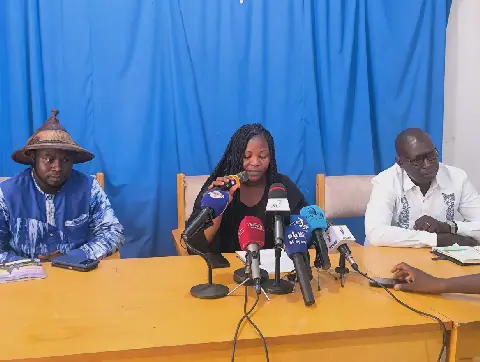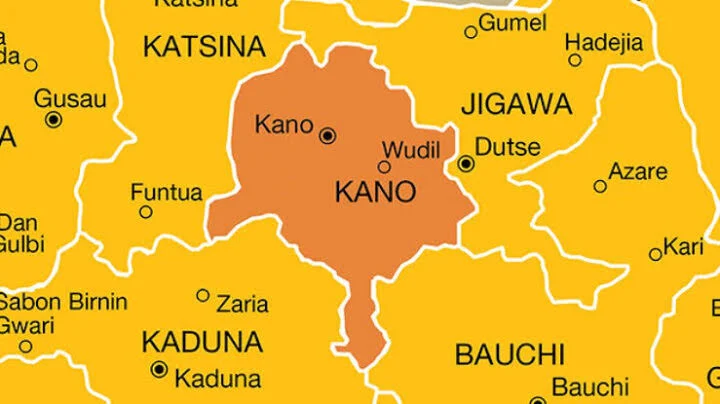
Stakeholders in Katsina State have called for stronger implementation of the Women's, Peace and Security agenda, drawing lessons from the experiences of Kano and Niger states. The call was made during a stakeholders' engagement in Katsina, where Kano State WPS Chairperson, Hadiza Bala Fage, and Nana Hauwa Isa of Niger State WPS shared their success stories and lessons learned. The session aimed to identify strategies that could be adapted to strengthen Katsina's WPS implementation.
The Kano experience highlighted the importance of sustained advocacy, coordination, and institutional engagement in advancing women's participation in peace and security processes. In contrast, the Niger experience demonstrated the value of linking WPS structures with community-level security, justice, and referral mechanisms. These lessons were considered particularly relevant to Katsina, where stakeholders identified the need to strengthen coordination among government institutions, security agencies, civil society organisations, traditional institutions, religious leaders, and women-led groups.
Katsina co-chair WPS, Hajiya Bilkisu Nasir Yashe, identified inconsistency in the representation of ministries, departments, and agencies as a major risk that Katsina needed to avoid. She emphasized the importance of community leaders and religious leaders in referral systems, as they are closer to the people. Strengthening community-level referral systems would enable WPS stakeholders to identify and respond to emerging peace, security, and protection concerns more quickly.
The stakeholders also recommended that Katsina review its outdated WPS workplan and align it with the state's current peace, security, and protection challenges. They stressed that lessons from Kano and Niger should not be copied wholesale but adapted to Katsina's peculiar security and socio-cultural environment. The emerging consensus was that Katsina already has structures upon which it can build, but stronger institutional coordination, clearly defined roles, consistent MDA representation, and effective community referral mechanisms are required.
Bola Bello, Katsina State Project Coordinator of the Rule of Law and Empowerment Initiative, also known as Partners West Africa Nigeria, noted that the experience-sharing had provided important lessons on how Katsina could adapt successful approaches from other states while avoiding challenges that could undermine implementation. She emphasized the need to leverage the strengths of different stakeholders to strengthen implementation and review the outdated workplan.
The stakeholders developed new action plans for further implementation during a breakout session. They also stressed the need to revisit and strengthen the existing arrangement, including the mapping of existing WPS structures, stakeholder roles, and coordination relationships. The WPS constitution should clearly define the responsibilities of every executive member to ensure accountability and effective coordination.
The engagement aimed to enhance women's participation in peacebuilding and security decision-making in Katsina State. The stakeholders' recommendations and new action plans are expected to be implemented with support from the UK International Development, SPRING, and TETRA TECH. The goal is to translate the WPS agenda into practical results, addressing the state's current peace, security, and protection challenges.
Key points
- Stakeholders in Katsina State are seeking to strengthen the implementation of the Women's, Peace and Security agenda by drawing lessons from Kano and Niger states.
- The need for stronger institutional coordination, clearly defined roles, consistent MDA representation, and effective community referral mechanisms was emphasized.
- The stakeholders developed new action plans to enhance women's participation in peacebuilding and security decision-making in Katsina State.