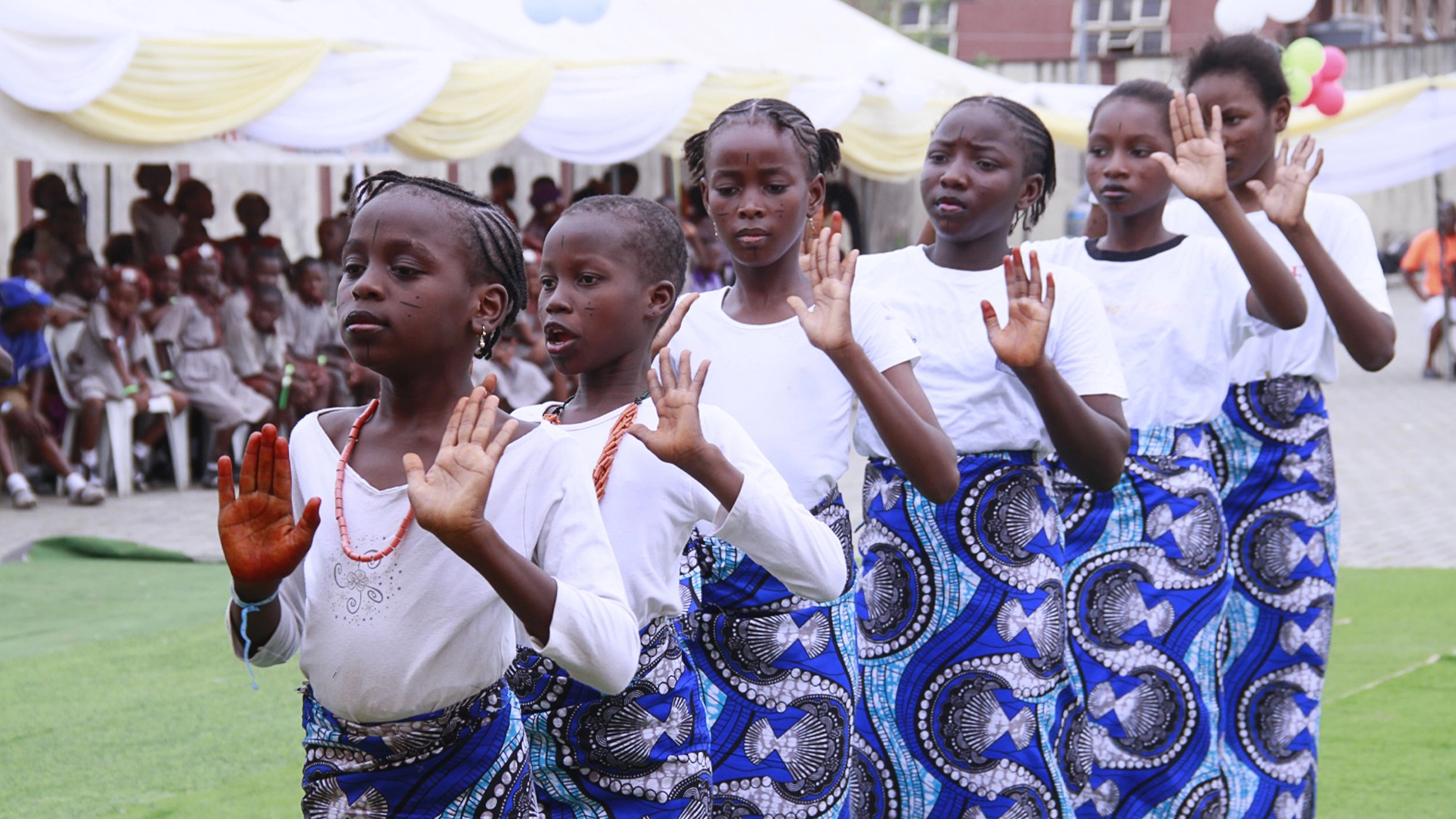
Stakeholders in Nigeria recently gathered at the Nigeria Convening conference 2.0 in Ikeja, Lagos, to discuss measures for protecting children from exploitative domestic work and other forms of abuse. The conference, themed ‘Childhood Not Servitude,’ brought together government institutions, security agencies, non-governmental organisations (NGOs), and other stakeholders. The event aimed to strengthen partnerships and renew collective commitment to ensuring every child enjoys dignity, safety, education, and hope.
National Coordinator of MAEJT Nigeria, Halilu S. Awesu, assured that the organisation would continue to document voices, strengthen survivor and youth leadership, support community-driven protection efforts, facilitate referral pathways, and advocate for stronger systems that protect children. Awesu emphasised that lasting change requires shared responsibility among government, communities, civil society, development partners, families, employers, and other stakeholders.
Programme Advisor for Freedom Fund Nigeria, Chika Valerie Nwabeke, stressed the need to ensure every child is protected from exploitative domestic work. She noted that children may experience long working hours, abuse, neglect, and hazardous working environments. However, Nwabeke also acknowledged that behind the challenges, there are talents and aspirations that must be protected.
Deputy National Coordinator of the Child Protection Network Nigeria, Beatrice Linus Dung, emphasised the need for continued advocacy and public education, particularly for parents and communities that may not fully understand the consequences of child abuse. Dung's call for action highlights the importance of engaging communities in the fight against child exploitation.
Assistant Director in the Child Development Department of the Federal Ministry of Women Affairs, Adeyemo Adebayo Adeyelure, discussed the government's efforts to formulate policies that protect children. Adeyelure mentioned that the Child Rights Act is being reviewed to capture issues that were not addressed in the 2003 legislation. The government is working to ensure that children are protected from exploitation.
An administrative officer with the Gender Unit of the Lagos State Police Command, ASP Esther Igbineweka, revealed that the command handles cases of defilement of children, stealing, child trafficking, and domestic violence. Igbineweka stated that the command has Family Support Units across Lagos State, with personnel trained to investigate sexual and gender-based violence cases. The police are taking steps to respond quickly to reports of child abuse.
Adeyelure advised parents to prioritise education as a means of protecting children from exploitation. Igbineweka added that survivors of child abuse can stay in safe homes through the Ministry of Youth and Social Development. The stakeholders' discussions emphasised the importance of collaboration and collective action to protect children from exploitative domestic work.
Key points
- Stakeholders call for strengthened partnerships to protect children from exploitative domestic work.
- Government and NGOs emphasise need for continued advocacy and public education to prevent child abuse.
- Police and government agencies take steps to respond quickly to reports of child abuse and provide support to survivors.