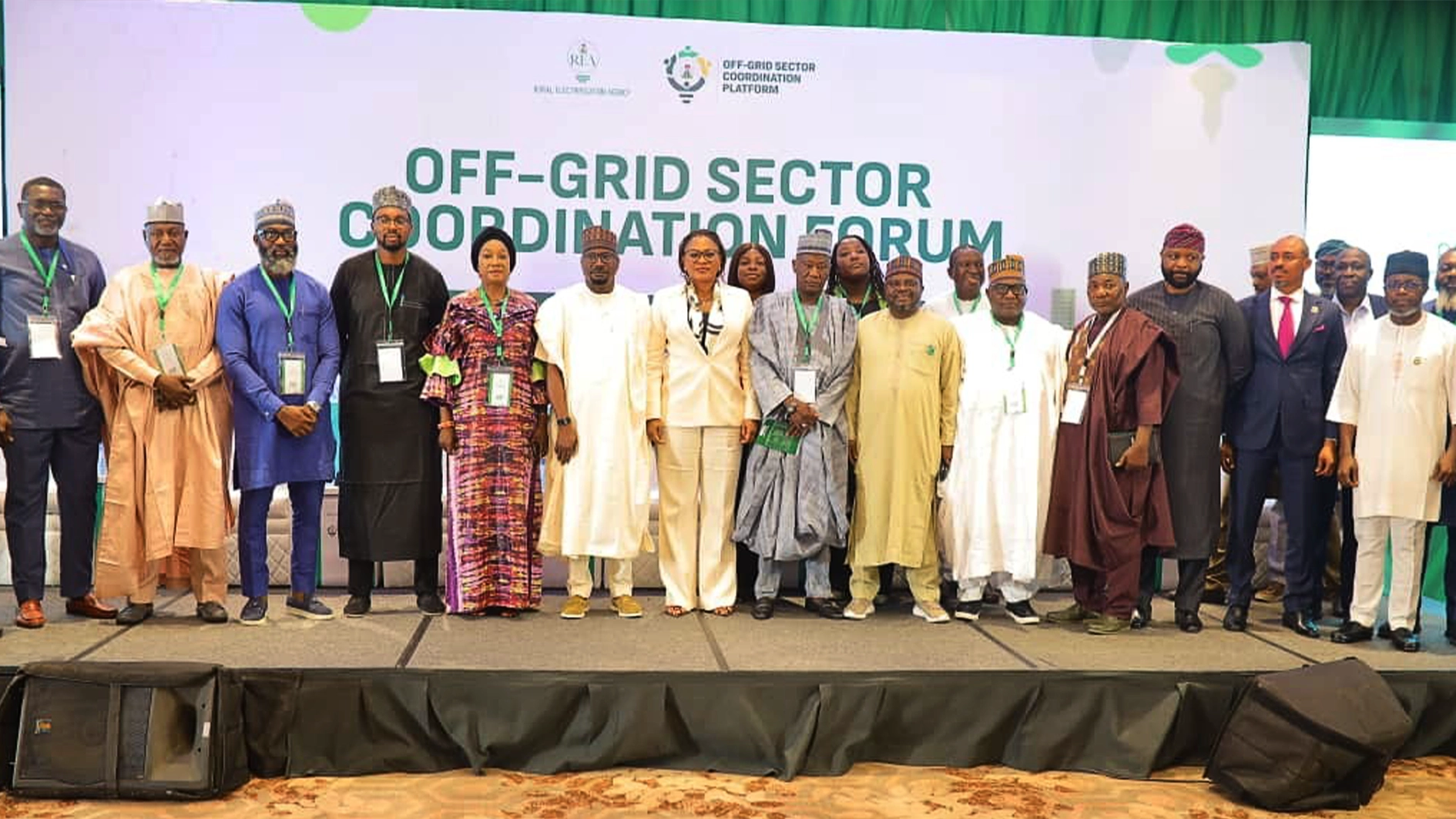
Stakeholders in Nigeria's renewable energy sector gathered in Abuja to relaunch the Off-Grid Stakeholder Coordination and Partnership Forum. They emphasized the need for stronger coordination among government agencies, state governments, development partners, and private-sector operators to end duplication, reduce waste, and accelerate the development of sustainable off-grid electricity markets. This call to action follows an analysis of government-funded power projects for 2024 and 2025, which revealed that multiple institutions, including those outside the conventional power sector structure, were implementing electricity projects.
The Minister of Power, Chief Joseph Olasunkanmi Tegbe, represented by his Chief of Staff, Doyin Adelabu, stressed that the Federal Government considers energy access a critical foundation for job creation, industrialization, and inclusive economic growth. Tegbe noted that Nigeria's off-grid and distributed renewable energy sector has become central to the country's strategy for expanding electricity access. However, he warned that effective coordination is necessary to translate ambition into delivery, citing the risks of fragmentation, duplicated effort, and slower delivery of power to those who need it most.
Abba Abubakar Aliyu, Managing Director and Chief Executive Officer of the Rural Electrification Agency (REA), highlighted poor coordination as a major challenge in the power sector, resulting in overlapping projects and inefficient deployment of scarce financial resources. Aliyu noted that duplication occurs even within the REA, with different programs selecting the same project locations. He emphasized the need for stakeholders to have access to sector data and for greater involvement of state governments, following the expanded role of states in electricity-market development under the Electricity Act.
The REA boss warned that without effective coordination among the Federal Government, states, and other stakeholders, the emergence of multiple state electricity markets could make national electrification programs more difficult to implement. Aliyu also announced plans to make sector data available through an application, allowing stakeholders to track implementation and assign responsibilities. This move aims to promote efficiency and innovation in deploying scarce funds.
Engr. Doris Uboh-Ogunkoya, Executive Director of the Rural Electrification Fund, noted that Nigeria's off-grid sector has grown significantly, involving government institutions, development partners, financiers, private operators, manufacturers, and industry associations. She emphasized the need for stronger collaboration, citing financing constraints, state-level participation, local-content priorities, and the need to mobilize private capital as key challenges. Uboh-Ogunkoya outlined the coordination forum's objectives, including moving beyond meetings to ensure stakeholders agree on specific priorities and track implementation.
Ikenna-Donald Ofoegbu, representative of Heinrich Böll Nigeria, called for a shift in focus from measuring off-grid development by the number of mini-grids installed or connections delivered to assessing its impact on livelihoods, enterprises, and local economies. He advocated for greater use of electricity in agriculture, agro-processing, and other productive sectors, as well as patient and innovative financing to attract commercial investment while reducing risks for underserved communities. Ofoegbu emphasized the need for effective operations and maintenance, sustainable tariffs, and community participation to ensure mini-grid investments remain viable.
The Off-Grid Stakeholder Coordination and Partnership Forum brought together representatives of government, state authorities, development partners, financial institutions, private-sector developers, civil society organizations, and renewable-energy industry groups to discuss financing, policy, investment, data sharing, and the future of Nigeria's off-grid energy market. The forum aims to promote coordination, efficiency, and innovation in the sector, ultimately accelerating the development of sustainable off-grid electricity markets and improving energy access for Nigerians.
Key points
- The Nigerian government and stakeholders are pushing for stronger coordination in the off-grid energy sector to end duplication, reduce waste, and accelerate sustainable electricity markets.
- The sector faces challenges, including financing constraints, state-level participation, and the need to mobilize private capital, which require stronger collaboration and innovative solutions.
- Stakeholders are calling for a shift in focus from measuring off-grid development by connections delivered to assessing its impact on livelihoods, enterprises, and local economies.