Stakeholders in Malawi's water, sanitation and hygiene sector are urging increased investment and collaboration to improve access to essential services in healthcare facilities. They emphasize that clean water, proper sanitation and hygiene facilities are critical in preventing infections and ensuring safe healthcare services, particularly for maternal and newborn care. This call to action comes as the country faces significant challenges in providing adequate WASH services in its healthcare facilities.
According to the 2025 Joint Monitoring Programme report by the World Health Organisation and UNICEF, 76 percent of healthcare facilities in Malawi have basic water services, while only 16 percent have basic sanitation and hygiene services. This disparity highlights the need for improved infrastructure and investment in WASH services. The report's findings underscore the importance of addressing these gaps to ensure quality healthcare services.
WaterAid Policy and Sector Engagement Specialist Willard Freedom Kaula said the Civil Society Leadership in Mobilising for Better WASH project aims to strengthen citizens' participation and civil society involvement in improving WASH services. The initiative seeks to prevent infections in healthcare facilities, which in turn can help prevent maternal deaths. Kaula emphasized the importance of community involvement in promoting better WASH services.
Water and Environmental Sanitation Network Executive Director Safari Mbewe stressed the need for increased prioritization of WASH financing and proper maintenance of infrastructure to improve service delivery. He called for collaboration among communities, development partners and other stakeholders to ensure sustainable access to WASH services. Mbewe's comments highlight the importance of a multi-faceted approach to addressing Malawi's WASH challenges.
WASH Media Forum Chairperson Meclina Chirwa encouraged journalists to use solution journalism to promote improvements in the sector. She suggested that by changing the way stories are told, journalists can inspire leaders and duty bearers to take action. Chirwa's comments emphasize the role that the media can play in promoting positive change in Malawi's WASH sector.
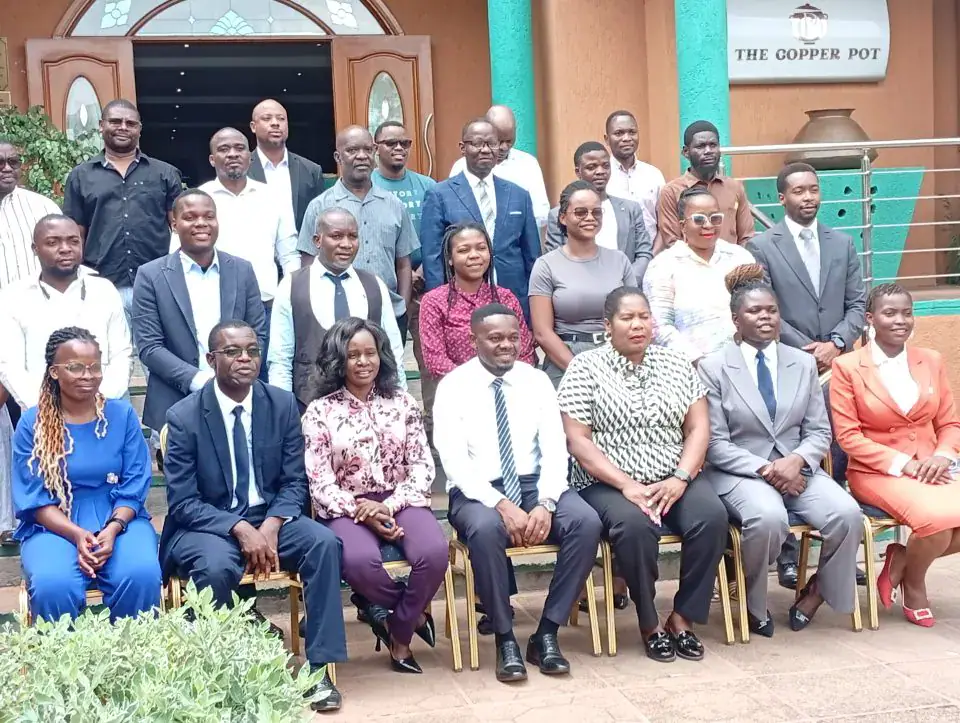
The Civil Society Leadership in Mobilising for Better WASH project is being implemented by WaterAid, WESNET, White Ribbon Alliance, Malawi Health Equity Network and WASH Media Forum. This collaborative effort aims to address the significant challenges facing Malawi's WASH sector, particularly in healthcare facilities. The project's stakeholders are committed to improving access to essential WASH services.
The push for improved WASH services in Malawi's healthcare facilities is driven by the need to prevent infections and maternal deaths. Stakeholders are calling for increased investment, collaboration and community involvement to address the country's significant WASH challenges. By working together, they aim to ensure that healthcare facilities have access to clean water, proper sanitation and hygiene facilities, ultimately improving the quality of healthcare services.
Key points
- 76 percent of healthcare facilities in Malawi have basic water services, while only 16 percent have basic sanitation and hygiene services.