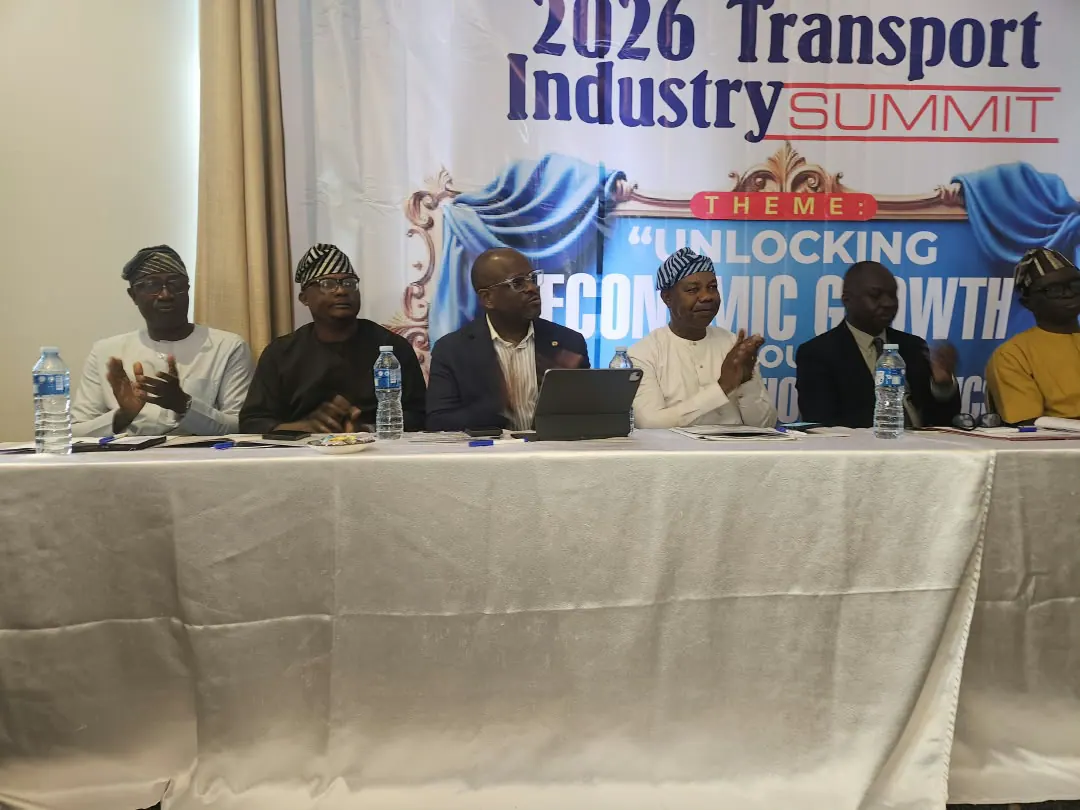
Stakeholders in Nigeria's transport and logistics industry have called for the development of a fully integrated multimodal transportation system. This system would link road, rail, inland waterways, maritime, and aviation infrastructure to reduce the cost of doing business and accelerate economic growth. The call was made at the 2026 Transport Industry Summit organised by the Transportation Correspondents Association of Nigeria (TCAN) in Lagos. The summit's theme was "Unlocking Economic Growth Through Transportation Logistics."
The stakeholders argued that Nigeria's economic potential could not be fully realised while the various modes of transportation continued to operate largely as separate systems. They stressed that stronger connections between them would improve the movement of passengers and cargo, reduce congestion, and make Nigerian businesses more competitive. The Managing Director of the Nigerian Railway Corporation (NRC), Dr Kayode Opeifa, said transportation should be regarded as a strategic driver of productivity, trade, industrial development, employment, and national competitiveness.
Dr Opeifa said Nigeria required a transportation architecture in which rail, road, maritime, inland waterways, and aviation complemented one another and provided seamless connections for passengers and freight. He identified rail transportation as particularly important due to its capacity to move large numbers of passengers and substantial volumes of bulk cargo over long distances. A stronger freight railway system would help take pressure off the highways, reduce road damage, and lower the cost of transporting goods across the country.
The NRC is looking beyond passenger operations by strengthening freight services and improving connections between railway lines, seaports, inland dry ports, industrial centres, and major economic corridors. Dr Opeifa called for greater private-sector participation in the development of rolling stock, freight terminals, logistics hubs, and associated infrastructure. He urged the government to establish a regulatory framework that would encourage investment, efficiency, and innovation.
The Managing Director of the National Inland Waterways Authority (NIWA) identified inland waterways as an important component of an integrated national logistics system. Nigeria's extensive network of rivers, creeks, lagoons, and other waterways offered substantial opportunities for passenger and cargo transportation. A properly developed inland waterway system could provide an alternative to road transportation, ease pressure on highways, and improve connectivity when effectively linked with ports, railways, and road networks.
The Special Adviser to the Lagos State Governor on Blue Economy, Oluwadamilola Emmanuel, said Lagos could no longer depend predominantly on its road network to meet the transportation requirements of its expanding population and economy. The state is investing in water transportation as part of efforts to develop a more diversified and integrated transport system. This includes the Omi Eko Project, which seeks to introduce modern and environmentally sustainable ferry services.
The development of an integrated transport network is critical to driving Nigeria's economic growth. Key stakeholders, including the NRC and NIWA, are calling for increased investment in transportation infrastructure and greater private-sector participation. The goal is to create a logistics environment in which businesses can accurately track their cargo, determine expected delivery times, and understand the cost of moving goods from one location to another.
Key points
- Development of a fully integrated multimodal transportation system
- Increased private-sector participation in transportation infrastructure
- Improved connections between railway lines, seaports, and road networks