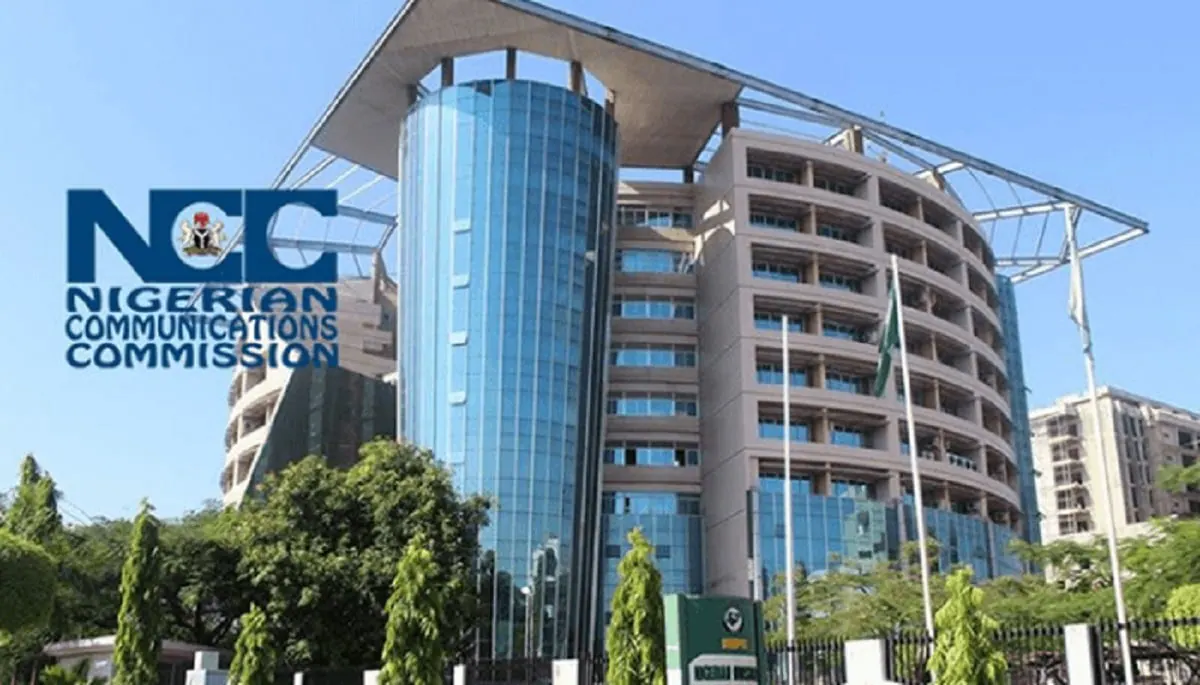
Stakeholders at the Nigeria Digital Connectivity Investment Forum 2026 have called for long-term financing, improved power supply, and coordinated infrastructure planning to accelerate digital connectivity and investment in Nigeria. The forum, organised by the Nigerian Communications Commission (NCC), in partnership with Swedfund and Ookla, brought together government officials, regulators, investors, development finance institutions, operators, infrastructure providers, and technology companies. The forum aimed to unlock infrastructure investment through data, transparency, and partnerships.
The growing demand for digital services requires urgent investment in fibre infrastructure, data centres, power, and other critical digital infrastructure. Nigeria consumed about 1.6 million terabytes of data in July 2026, representing an increase of almost 47 per cent in 12 months. This significant growth in data consumption underscores the need for substantial investment in digital infrastructure to meet the increasing demand for digital services.
The stakeholders noted that telecommunications and information services accounted for 9.72 per cent of Nigeria's real Gross Domestic Product (GDP) in the second quarter of 2026. Mobile technology contributed about $240 billion to Africa's economy in 2025. These statistics highlight the significant impact of the digital sector on Nigeria's economy and the potential for further growth with increased investment.
Despite mobile broadband coverage reaching about 90 per cent of Nigerians, smartphone ownership stood at about 27 per cent, while broadband penetration was 57.4 per cent, against a national target of 70 per cent. The forum identified device affordability, digital skills, and trust as major constraints to meaningful connectivity. Expanding network coverage alone will not bridge the digital divide; addressing these constraints is crucial.
The participants highlighted the importance of independent connectivity data in reducing uncertainty for investors. The collaboration between the NCC, Swedfund, and Ookla provided granular information on the connectivity experienced by Nigerians and could help identify location-specific infrastructure constraints. This data can inform investment decisions and ensure that interventions are targeted effectively.
The forum recommended that connectivity interventions should be screened nationally, validated locally, and independently verified after implementation. Power and middle-mile connectivity were identified as major constraints to digital infrastructure deployment. The cost of inland connectivity is limiting data centre and internet service investment largely to a few metropolitan areas, highlighting the need for coordinated infrastructure planning.
The stakeholders recommended that energy and connectivity investments should be planned together, with tower clusters recognised as anchor off-takers for distributed power generation. This integrated approach can help address the challenges of power and connectivity, unlocking investment in digital infrastructure and accelerating digital connectivity in Nigeria. The forum's recommendations aim to create a more conducive environment for investment in the digital sector.
Key points
- The stakeholders called for long-term financing, improved power supply, and coordinated infrastructure planning to accelerate digital connectivity and investment in Nigeria.
- The forum identified device affordability, digital skills, and trust as major constraints to meaningful connectivity.
- The stakeholders recommended that energy and connectivity investments should be planned together to address the challenges of power and connectivity.