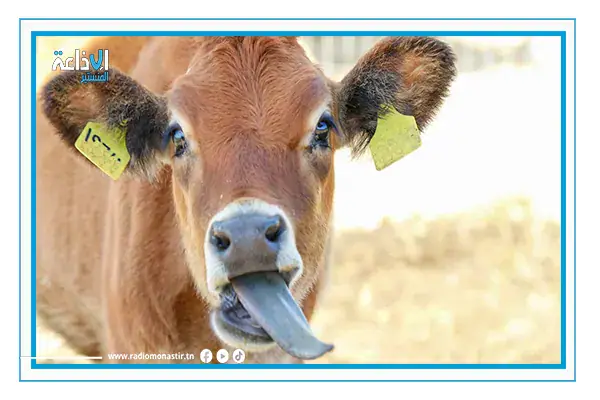
Tunisia is currently witnessing a significant spread of the blue tongue virus, a disease that affects livestock including cattle, goats, and sheep. The virus causes internal bleeding and oxygen deficiency in infected animals. According to experts, the current period is seeing a high incidence of the disease. The spread has been attributed to favorable natural factors such as high temperatures and humidity that contribute to the proliferation of insects.
The spread of the blue tongue virus has been reported to be seasonal, with the virus typically spreading during periods of high temperatures and humidity. These conditions facilitate the breeding of insects that transmit the disease. The disease is not contagious, but its spread can have significant impacts on the livestock industry. The Tunisian authorities have not yet issued any statements on measures being taken to control the spread of the disease.
The blue tongue virus is transmitted by insects and affects a range of livestock. The disease can cause significant mortality in infected animals, particularly if left untreated. The virus has been reported in various parts of the world, including Africa and Asia. In Tunisia, the disease has been reported in several regions, with the highest incidence reported in areas with high temperatures and humidity.
Experts have pointed out that the current weather conditions in Tunisia are conducive to the spread of the disease. The country's climate, characterized by high temperatures and humidity during certain periods of the year, facilitates the breeding of insects that transmit the disease. The authorities have been urged to take measures to control the spread of the disease, including vaccination of livestock and control of insect populations.
The spread of the blue tongue virus has raised concerns among farmers and livestock owners in Tunisia. The disease can have significant economic impacts on the livestock industry, particularly if left unchecked. The authorities have been urged to provide support to affected farmers and to take measures to prevent further spread of the disease.
The Tunisian authorities have been urged to take a proactive approach to controlling the spread of the disease. This includes vaccination of livestock, control of insect populations, and provision of support to affected farmers. The authorities have also been urged to raise awareness among farmers and livestock owners on the risks associated with the disease and the measures that can be taken to prevent its spread.
The situation is being closely monitored by the authorities and experts, who are working to control the spread of the disease. The public has been advised to take precautions to prevent the spread of the disease, including vaccination of livestock and control of insect populations. The authorities have also been urged to provide support to affected farmers and to take measures to mitigate the economic impacts of the disease.
Key points
- The blue tongue virus is not contagious but can have significant impacts on the livestock industry.
- The disease is transmitted by insects and affects a range of livestock, including cattle, goats, and sheep.
- The current weather conditions in Tunisia are conducive to the spread of the disease.