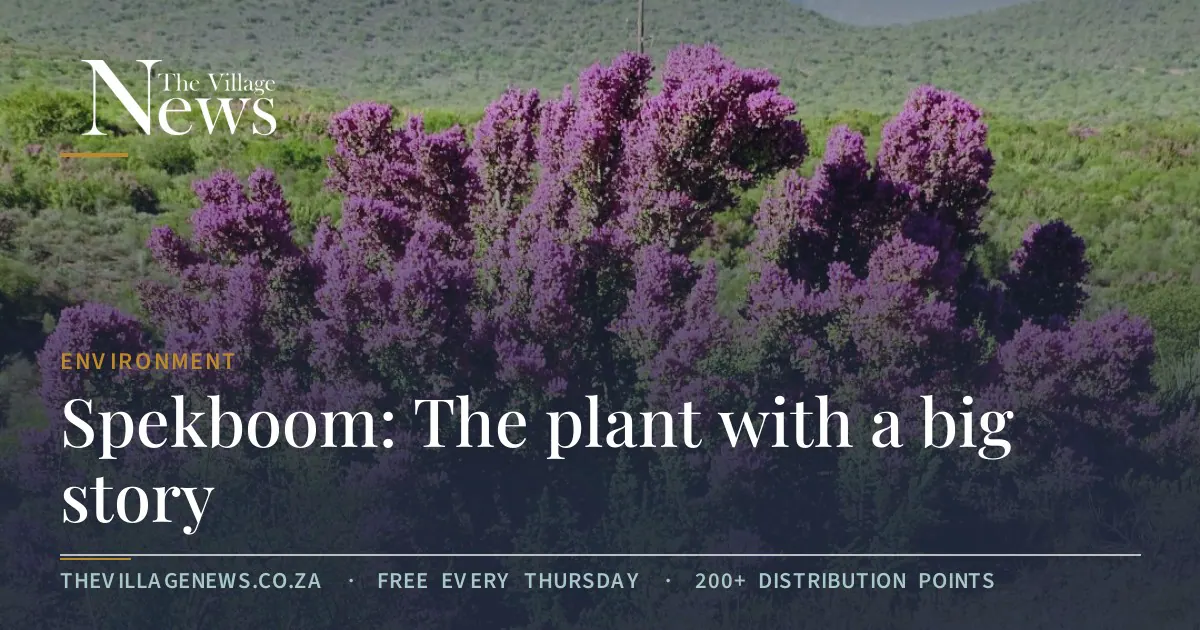
Spekboom, a succulent evergreen shrub native to the Eastern Cape of South Africa, has garnered significant attention for its unique characteristics and benefits. The plant, scientifically known as Portulacaria afra, can grow several meters high and features small, fleshy, rounded leaves that enable it to survive in dry conditions. Its ability to thrive in harsh environments has made it a vital component of the region's ecosystem.
One of the most notable aspects of spekboom is its role in the diet of large herbivores, particularly elephants. The plant's ability to quickly produce fresh growth after being browsed or broken has allowed it to coexist with these animals. Additionally, spekboom's capacity to propagate easily from cuttings has made it a popular choice for creating living fences and enclosures. Its dense growth form also provides a cool, sheltered environment for small animals.
Spekboom's photosynthetic abilities are also noteworthy. Like other plants, it can perform daytime photosynthesis, but under dry conditions, it switches to a different strategy known as CAM photosynthesis. This process allows the plant to conserve water by opening its stomata at night and storing carbon dioxide for use during the day. This adaptation has enabled spekboom to thrive in areas with limited water resources.
The plant's ability to store carbon has made it a crucial component in the fight against climate change. Research has shown that healthy spekboom-rich vegetation can store substantial amounts of carbon in the plants and soil. As a result, efforts have been made to restore degraded thicket by allowing spekboom to recover and by planting cuttings. This has not only helped to mitigate the effects of climate change but also provided a sustainable solution for land management.
Spekboom is also a valuable resource for human consumption. The plant is rich in minerals such as calcium, magnesium, and selenium, and is particularly high in Vitamin C, which is not destroyed by cooking. The fleshy leaves can be incorporated into various dishes, making it a healthy and tasty addition to the human diet. Its value as a food source has been recognized, particularly in times of drought when other food sources may be scarce.
In addition to its ecological and nutritional benefits, spekboom has also been used as a livestock fodder. The plant's dense growth form creates a cool, sheltered environment for small animals, and its leaves provide a nutritious food source. Its ease of propagation has also made it a popular choice for gardeners, who can grow it in pots or use it as a decorative element in landscaping.
Overall, spekboom is a remarkable plant with a range of benefits that make it an invaluable component of the ecosystem. Its adaptability, nutritional value, and ability to store carbon have made it a vital resource for both humans and animals. As efforts continue to restore and propagate spekboom, its importance is likely to grow, providing a sustainable solution for land management and a healthy addition to the human diet.
Key points
- Spekboom's unique photosynthetic abilities allow it to conserve water and thrive in dry conditions.
- The plant's ability to store carbon makes it a crucial component in the fight against climate change.
- Spekboom is a valuable resource for human consumption, providing essential minerals and vitamins.