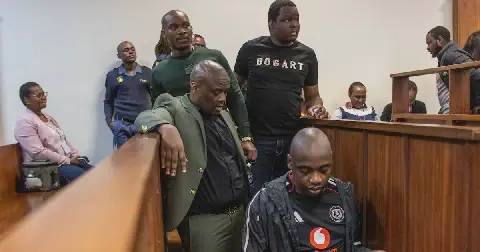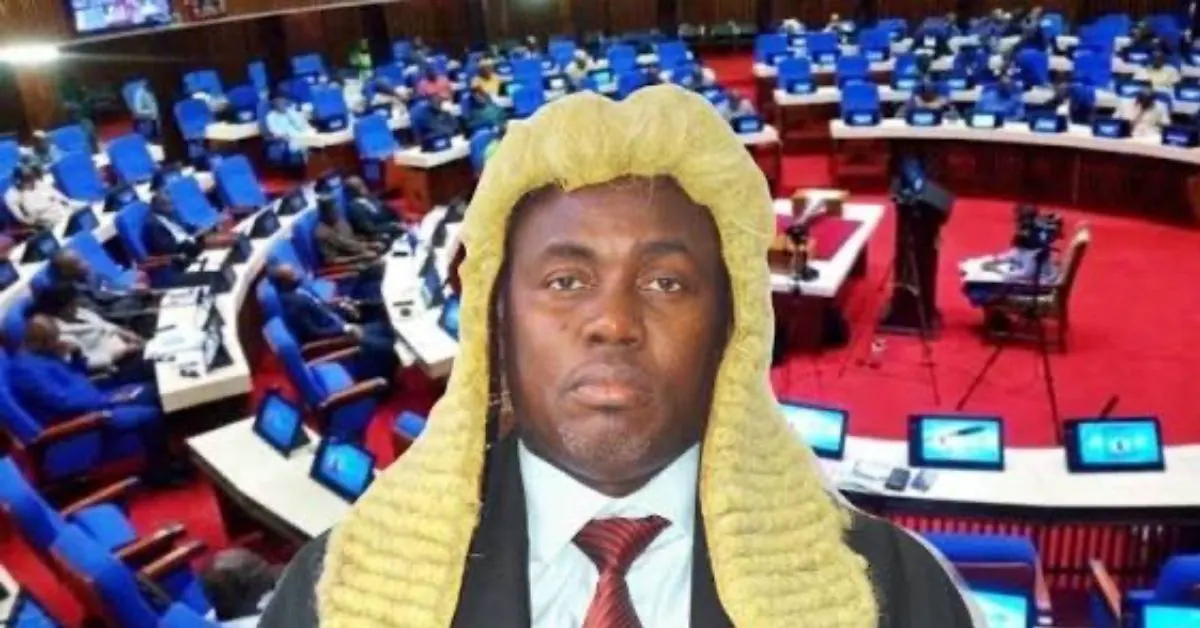
The Supreme Court of Sierra Leone commenced proceedings on Wednesday, October 7, 2026, to hear cases challenging aspects of the passage of the Constitution of Sierra Leone (Amendment) Bill, 2025. Speaker of Parliament, Segepoh Solomon Thomas, was noticeably absent from the hearing. According to his lawyer, Hindolo Gevao Esq., Thomas was unable to attend due to health issues, specifically diarrhoea. His absence was noted as the court began to deliberate on the constitutional questions surrounding the procedure and voting threshold Parliament followed when considering the proposed amendments.
The cases before the Supreme Court centre on disputes regarding the parliamentary process that led to the passage of the Constitutional Amendment Bill. The controversy dates back to August 10, 2026, when Speaker Thomas ruled that the simple-majority provision under Section 91(1) of the 1991 Constitution applied to Parliament’s consideration of the Amendment Bill. This decision triggered legal challenges from opposition lawmakers, who argued that a two-thirds requirement under Section 108(2)(b) should have been applied instead.
Speaker Thomas is named as a defendant in one of the legal actions before the Supreme Court. The plaintiffs, including opposition lawmakers, have raised concerns about the constitutional requirements governing the passage of the disputed amendments. The hearing comes after President Julius Maada Bio referred the matter to the Supreme Court amid ongoing legal challenges and public debate over the legislation. The Supreme Court’s proceedings are expected to provide authoritative clarification on the constitutional requirements.
The decision by Speaker Thomas to apply the simple-majority provision was met with resistance from opposition lawmakers. They argued that the Constitution requires a two-thirds majority vote for the passage of constitutional amendments. The Attorney-General and Minister of Justice, as well as the Clerk of Parliament, have also been named as defendants in the legal action.
The Supreme Court’s hearing is a significant development in the ongoing debate over the Constitutional Amendment Bill. The court’s judgment is expected to provide clarity on the constitutional requirements for the passage of amendments. This could have far-reaching implications for the country’s legislative process and the role of Parliament in considering constitutional changes.
President Bio’s referral of the matter to the Supreme Court demonstrates the government’s commitment to upholding the Constitution and ensuring that the legislative process is conducted in accordance with the law. The Supreme Court’s proceedings will be closely watched by stakeholders, including lawmakers, civil society groups, and the general public.
The Supreme Court has assured that it will deliver judgments on all matters before it, including the Constitutional Amendment Bill cases. The court’s hearing on the matter is a crucial step towards resolving the constitutional questions surrounding the passage of the disputed amendments. The outcome of the case could have significant implications for Sierra Leone’s democratic development and the rule of law.
Key points
- Speaker Thomas was absent from the Supreme Court hearing due to health issues.
- The cases centre on constitutional questions surrounding the procedure and voting threshold Parliament followed when considering the proposed amendments.
- The Supreme Court’s proceedings could provide authoritative clarification on the constitutional requirements governing the passage of the disputed amendments.