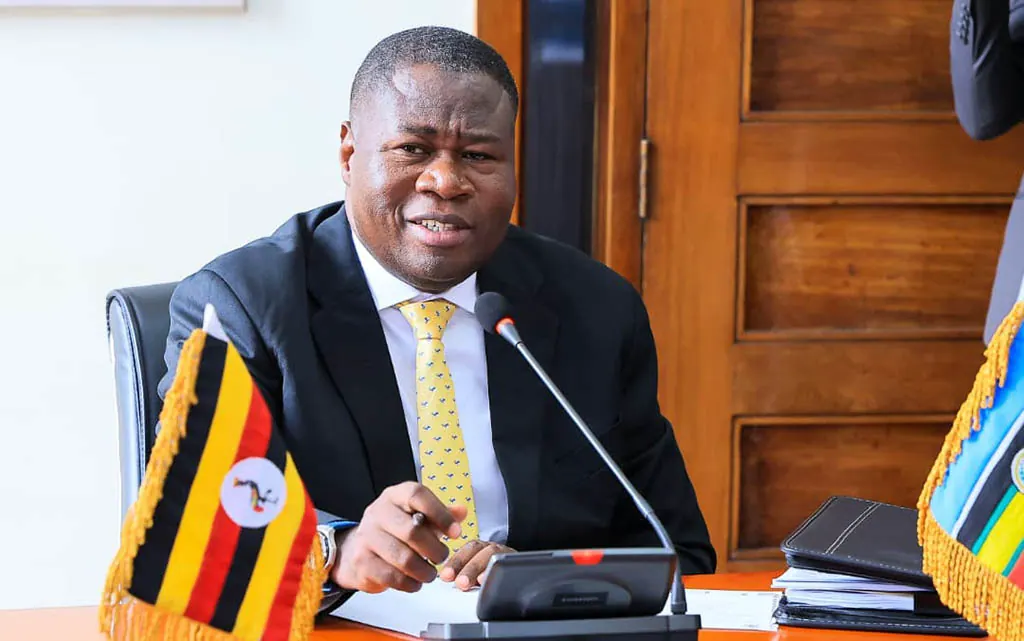
The Speaker of Parliament, Jacob Markson Oboth Oboth, has rejected calls to suspend anti-corruption inspections in schools. Local government leaders had proposed a suspension, citing disruptions to learning during the final term. The inspections, conducted by the Minister of Local Government, Balam Barugahara, aim to combat corruption in schools. However, leaders argue that the operations are affecting teaching, particularly in candidate classes preparing for their final examinations.
The concerns were raised by local government leaders during a meeting with the Speaker ahead of their next regional engagements in Tororo. The leaders, under the Uganda Local Governments Association (ULGA), were led by the Chairperson of the Public Accounts Committee (PAC) on Local Government, Betty Nambooze. They reported that some teachers have deserted their schools during the inspections, leaving learners, especially candidates, affected at a critical time of the academic year.
The leaders proposed that similar inspections be conducted during the first term, when they said there would be less disruption to learning. However, Speaker Oboth Oboth maintained that the fight against corruption must continue. He stressed that those found to be innocent should be cleared, while those implicated in corruption should be held accountable. The Speaker's stance emphasizes the government's commitment to addressing corruption in the education sector.
Speaker Oboth Oboth also urged local government leaders and school management committees to strengthen their oversight responsibilities. He said effective supervision could help detect and prevent corruption before government inspectors intervene. By doing so, the Speaker aims to ensure that schools are held to high standards of accountability and transparency. This approach is expected to promote a culture of integrity in the education sector.
The debate comes as schools enter the final term, with candidate students preparing for their end-of-cycle examinations. The inspections have caused concerns among stakeholders, who fear that the disruptions may negatively impact students' performance. Nevertheless, the government's efforts to combat corruption in schools are seen as a crucial step towards improving the quality of education in Uganda.
The Uganda Local Governments Association (ULGA) and the Public Accounts Committee (PAC) on Local Government have expressed concerns about the impact of the inspections on the education sector. They have called for a more strategic approach to addressing corruption in schools, one that balances the need for accountability with the need to minimize disruptions to learning. The Speaker's rejection of the proposal to suspend the inspections has set the stage for further discussions on this issue.
The anti-corruption inspections in schools are part of a broader effort to promote transparency and accountability in Uganda's education sector. The government has faced criticism for its handling of corruption in schools, with some arguing that more needs to be done to address the root causes of the problem. The Speaker's commitment to holding accountable those implicated in corruption is seen as a positive step towards addressing these concerns.
Key points
- The Speaker of Parliament has rejected calls to suspend anti-corruption inspections in schools.
- The inspections aim to combat corruption in schools, but have caused disruptions to learning during the final term.
- The Speaker has urged local government leaders and school management committees to strengthen their oversight responsibilities to detect and prevent corruption.