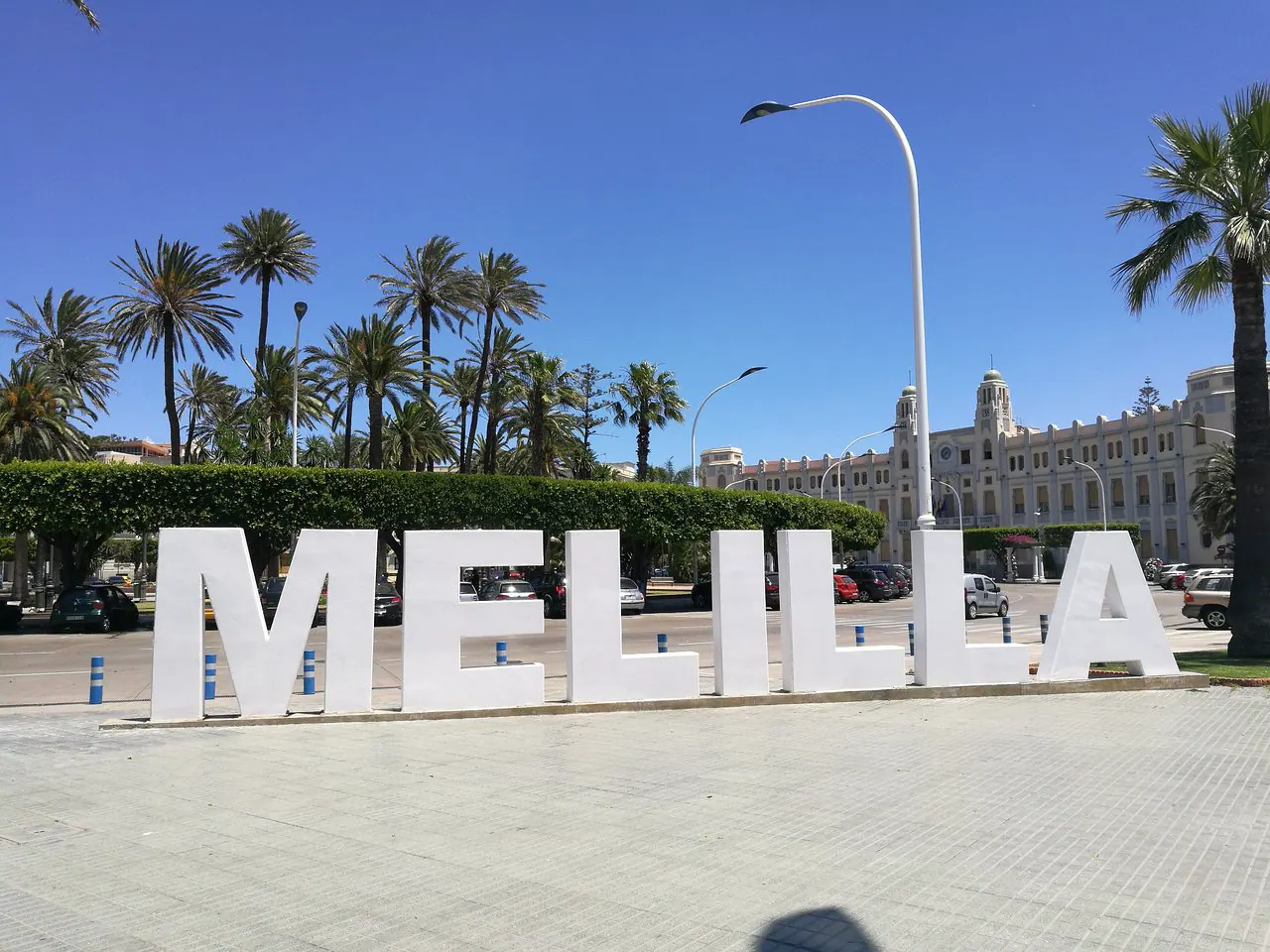
A recent study conducted by researchers at the University of Granada in Spain has shed light on the severe social and humanitarian challenges faced by Moroccan women workers who were trapped in the occupied city of Melilla during the COVID-19 pandemic. The study, published in the journal "Mobilities," highlights the plight of hundreds of women working in the domestic service and care sectors who were caught between returning to Morocco and losing their source of income or staying in Melilla, away from their families, and living in unstable legal and social conditions.
The research, which was based on over three years of fieldwork and dozens of in-depth interviews, found that the decisions made by the women were closely tied to their efforts to mitigate the economic decline of their families in Morocco, as many family members had lost their sources of income. The study revealed that some women were forced to live apart from their children for extended periods, while others were unable to return to Morocco to bid farewell to relatives who had passed away during that time, all while continuing to provide care services to other families in Melilla.
The study's findings also highlighted the difficulties faced by the women in terms of their legal and social status in Melilla. Many of the women were forced to navigate complex and unstable living situations, with some attempting to find new employment opportunities or secure residence permits to regain their freedom of movement. However, the researchers noted that the tightening of border controls and the decline of the daily mobility model, which had previously allowed Moroccan workers to return home after work, had a profound impact on the women's lives.
According to the researchers, the re-opening of the border after more than two years did not restore the situation to what it was before the pandemic, due to the stricter crossing requirements and the changed mobility landscape. The study emphasized that the stricter border control policies have had severe consequences for the groups that rely on daily mobility to earn a living, including the Moroccan women workers in Melilla.
The researchers also noted that the study's findings have broader implications for our understanding of the social and humanitarian impacts of migration and border control policies. The study is part of a larger research project by the University of Granada on the social consequences of migration and border control policies, which highlights the complexities of the situation faced by Moroccan women workers in the domestic service and care sectors.
The study's authors emphasized that the experiences of the Moroccan women workers in Melilla are a stark reminder of the need for more nuanced and humane approaches to migration and border control policies. They argued that policymakers must take into account the human costs of such policies and work to develop more sustainable and equitable solutions for migrant workers and their families.
The study's findings are expected to contribute to ongoing debates about migration, border control, and labor rights, and to inform policy discussions aimed at addressing the challenges faced by migrant workers in similar contexts. The researchers hope that their work will help to raise awareness about the plight of Moroccan women workers in Melilla and contribute to the development of more effective and humane policies to support them.
Key points
- The study highlights the need for more nuanced and humane approaches to migration and border control policies.