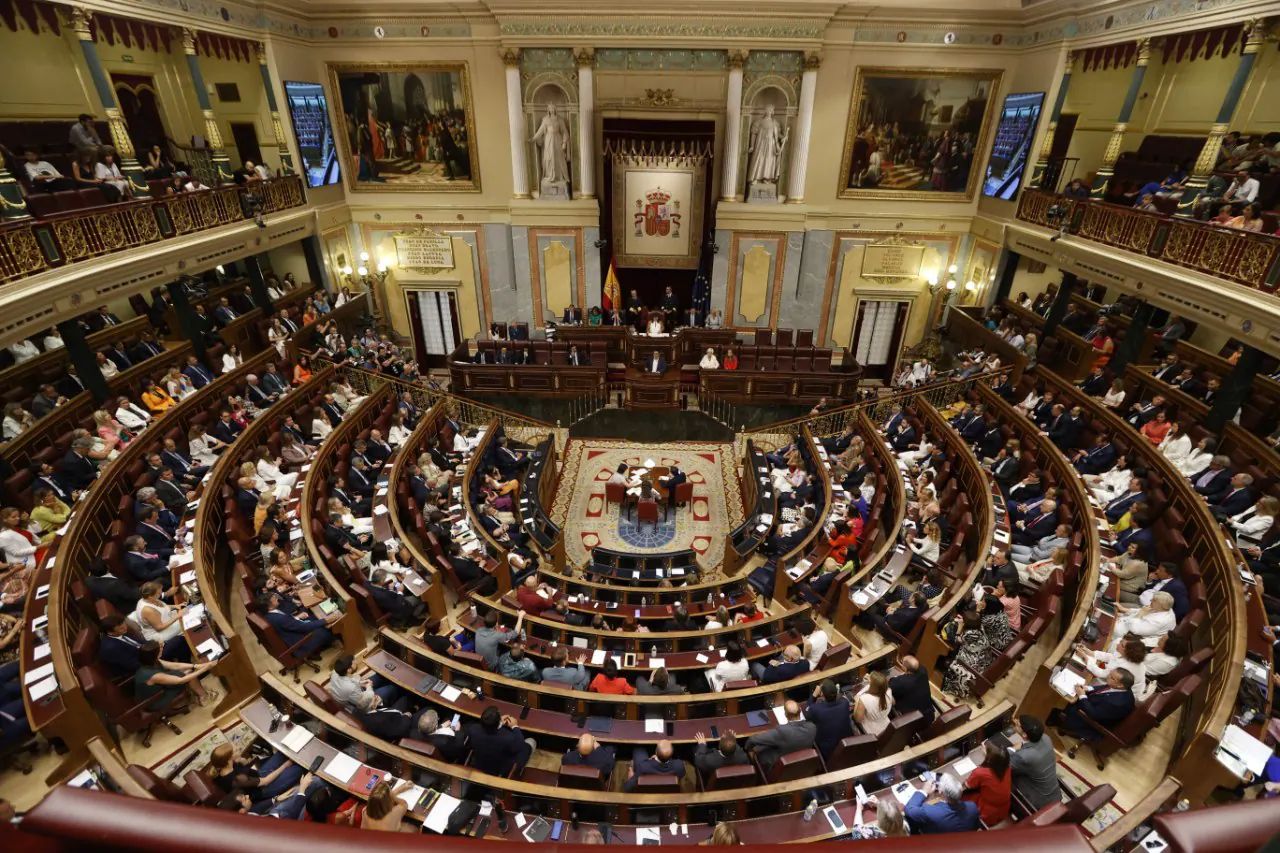
In a surprising diplomatic development, French President Emmanuel Macron was met with a setback during his official visit to Spain, as the Spanish Senate rejected a friendship and cooperation treaty with France. The visit was intended to strengthen ties between Paris and Madrid, but the rejection of the treaty has highlighted sensitive issues between the two nations. The treaty was seen as a key aspect of the visit, aimed at enhancing cooperation between France and Spain.
The rejection of the treaty came as a surprise, especially given the warm reception Macron received at the Royal Palace in Madrid. The King of Spain, Felipe VI, hosted a formal dinner for Macron, which was attended by senior officials and dignitaries. However, the festivities were overshadowed by the news of the treaty's rejection. The Spanish Senate's decision has raised questions about the future of Franco-Spanish relations, particularly in areas such as trade, security, and migration.
During his speech at the dinner, King Felipe VI emphasized the need for European countries to share responsibility in protecting the European Union's external borders. He cited the recent influx of migrants in Ceuta, a Spanish enclave in Morocco, as an example of the challenges faced by countries on the EU's external borders. The King stressed that these challenges cannot be addressed by individual countries alone and called for greater European cooperation.
The rejection of the treaty has been seen as a reflection of the complex dynamics at play in European politics. The EU is currently facing numerous challenges, including migration, border security, and global economic shifts. The treaty was intended to strengthen ties between France and Spain, two key players in the EU, but its rejection has highlighted the difficulties in achieving consensus on key issues.
Despite the setback, Macron and King Felipe VI have emphasized the importance of maintaining strong relations between France and Spain. The two leaders have expressed a commitment to continuing cooperation on key issues, including security, trade, and migration. However, the rejection of the treaty has created uncertainty about the future of Franco-Spanish relations.
The Spanish Senate's decision has also raised questions about the impact on EU policies. The EU has been working to strengthen its external borders and address migration challenges, and the rejection of the treaty has created concerns about the ability of member states to work together effectively. The incident has highlighted the need for greater cooperation and dialogue between EU member states.
The French government has responded to the rejection of the treaty by emphasizing the importance of maintaining strong relations with Spain. French officials have stressed that the two countries have a long history of cooperation and that they will continue to work together on key issues. However, the rejection of the treaty has created a new challenge for Macron and King Felipe VI as they seek to strengthen ties between their countries.
Key points
- The Spanish Senate's rejection of the friendship and cooperation treaty with France has strained relations between the two countries.
- The rejection has highlighted sensitive issues between France and Spain, including migration and border security.
- The incident has raised questions about the impact on EU policies and the ability of member states to work together effectively.