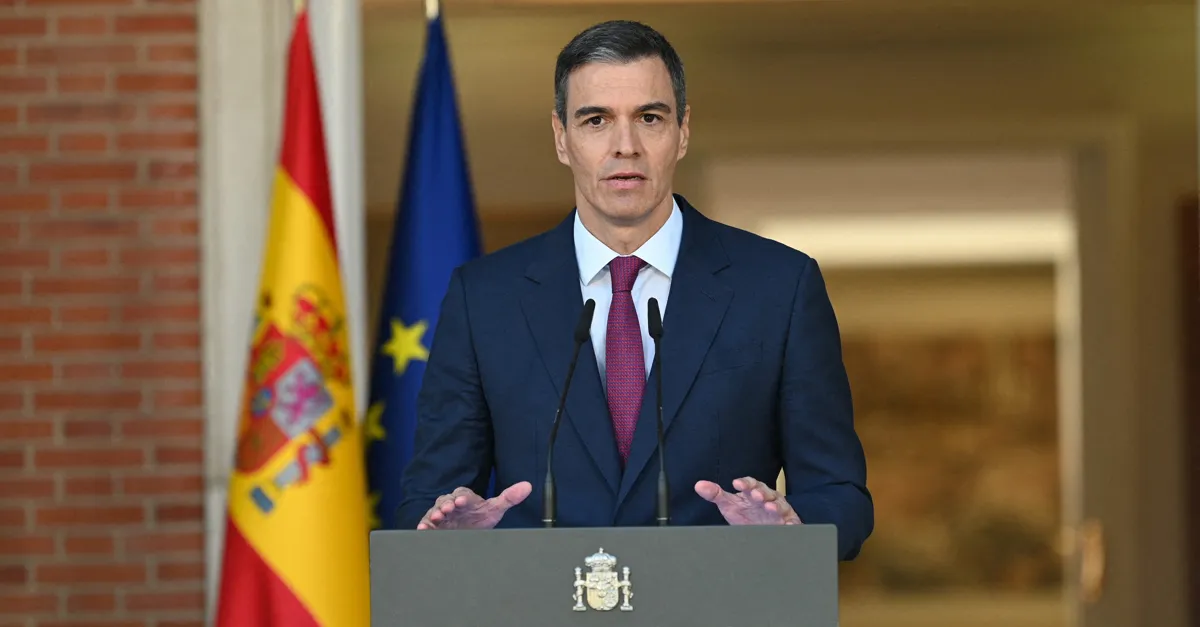
Spanish Prime Minister Pedro Sanchez announced on Monday that he will call for early general elections on November 29, ending speculation about the future of his government. The decision came after the Spanish Congress of Deputies rejected two government decrees related to the housing crisis on Friday. The decrees aimed to address the country's housing issues, including extending protection from eviction for vulnerable families and regulating temporary rentals.
The rejection of the decrees was supported by opposition parties and the Catalan party "Together for Catalonia". The votes were 172 in favor and 178 against for one decree, and 184 against and 166 in favor for the second. The decrees included measures to control rent increases, provide tax incentives for tenants and landlords, and increase the supply of public housing. The government's defeat highlighted the challenges Sanchez's government faces in obtaining stable support for its legislation.
The early elections come amid a growing housing crisis in Spain, with protests taking place in several cities in recent days. Demonstrators demanded action to address rising rents and the difficulty of finding affordable housing. The crisis has put pressure on the government to find solutions, but Sanchez's administration has struggled to pass legislation due to opposition from other parties.
According to Spanish electoral rules, holding elections on November 29 requires dissolving parliament and issuing a decree calling for the elections. The voting process will take place 54 days after the decree is issued. The early elections will give Spanish citizens the opportunity to have their say on the country's future, particularly on issues such as housing and the economy.
The housing crisis has been a major concern in Spain, with many citizens struggling to find affordable housing. The government's proposals aimed to address this issue, but were met with resistance from opposition parties. The early elections will likely focus on the housing crisis, as well as other key issues affecting the country.
Sanchez's government has faced challenges in recent months, including a parliamentary defeat on a proposed law to address the housing crisis. The government has been working to find solutions to the crisis, but has been hindered by opposition from other parties. The early elections will give Sanchez the opportunity to seek a new mandate from the Spanish people.
The early general elections on November 29 will be a significant event in Spanish politics. The outcome will determine the future of Sanchez's government and the direction of the country on key issues such as housing and the economy. The elections will also give Spanish citizens the chance to have their say on the government's handling of the housing crisis and other pressing issues.
Key points
- The Spanish Prime Minister has called for early general elections on November 29, following a parliamentary defeat on housing legislation.
- The early elections come amid a growing housing crisis in Spain, with protests taking place in several cities in recent days.
- The outcome of the elections will determine the future of Sanchez's government and the direction of the country on key issues such as housing and the economy.