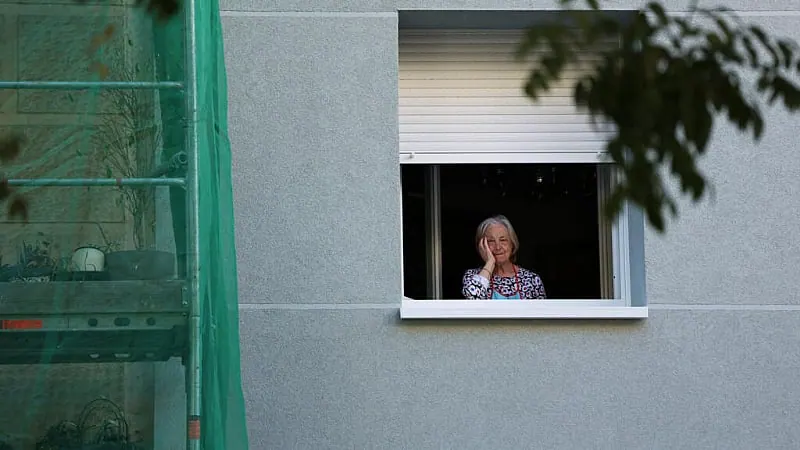
An 87-year-old Spanish pensioner, Maricarmen Abascal, who was evicted from her Madrid home, will return to her apartment after a deal was reached with the property owners, her lawyer Beatriz Duro announced on Monday. Abascal had lived in the home for 70 years and had always paid her rent. However, the real estate firm that owned her apartment hiked the monthly rent by 275 percent to 2,650 euros ($3,000), supporters claim.
Abascal's eviction sparked nationwide protests in Spain, with demonstrators setting up roughly 100 tents in Madrid's Puerta del Sol square since Saturday night. Tens of thousands of people have protested across the country, calling for an end to runaway housing prices and a lack of tenant protections. The protests have piled pressure on the government to resolve Spain's housing crisis, which has been a running sore for years.
The deal reached between Abascal's representatives and the property owners will see Abascal return to her apartment in Madrid's upmarket Retiro neighbourhood after leaving hospital, where she is being treated for exhaustion. Duro stated that there had been "goodwill from both parties" and that the rent would be "similar to what she had been paying". The aim is to "accelerate the procedures" to allow Abascal to return home as soon as possible.
The protests have also led to calls for the government to take action to address the housing crisis. Socialist Prime Minister Pedro Sanchez's government is seeking agreement on a new housing package to present to cabinet on Tuesday. The package aims to placate the popular anger and address the issue of unaffordable housing in Spain.
The housing crisis in Spain has been driven by increased demand, including from tourism and population growth linked to immigration, analysts say. The country has little public housing, and rents have been driven up as a result. The Bank of Spain estimates that the country is short of 700,000 homes, based on the gap between demand and new construction.
The protests have also highlighted the need for a rent freeze, indefinite contracts, and anti-eviction measures. Carme Arcarazo, a spokeswoman for the Catalan Tenants' Union, stated that the protesters want "decent housing so that what happened to Maricarmen doesn't happen again". The protesters are demanding ambitious measures to address the housing crisis.
The government is holding talks with far-left junior coalition partners Sumar and other parties to pass a law to address the housing crisis. However, the coalition lacks a majority in parliament, making the success of any such initiative unclear. A similar housing bill was defeated earlier this year, and it remains to be seen whether the government can find a solution to the crisis.
Key points
- The Spanish government is under pressure to resolve the country's housing crisis after Maricarmen Abascal's eviction sparked nationwide protests.
- The protests have led to calls for a rent freeze, indefinite contracts, and anti-eviction measures to address the housing crisis.
- The government is seeking agreement on a new housing package to present to cabinet on Tuesday, but it remains to be seen whether it can find a solution to the crisis.