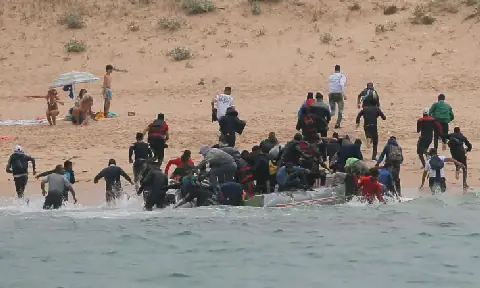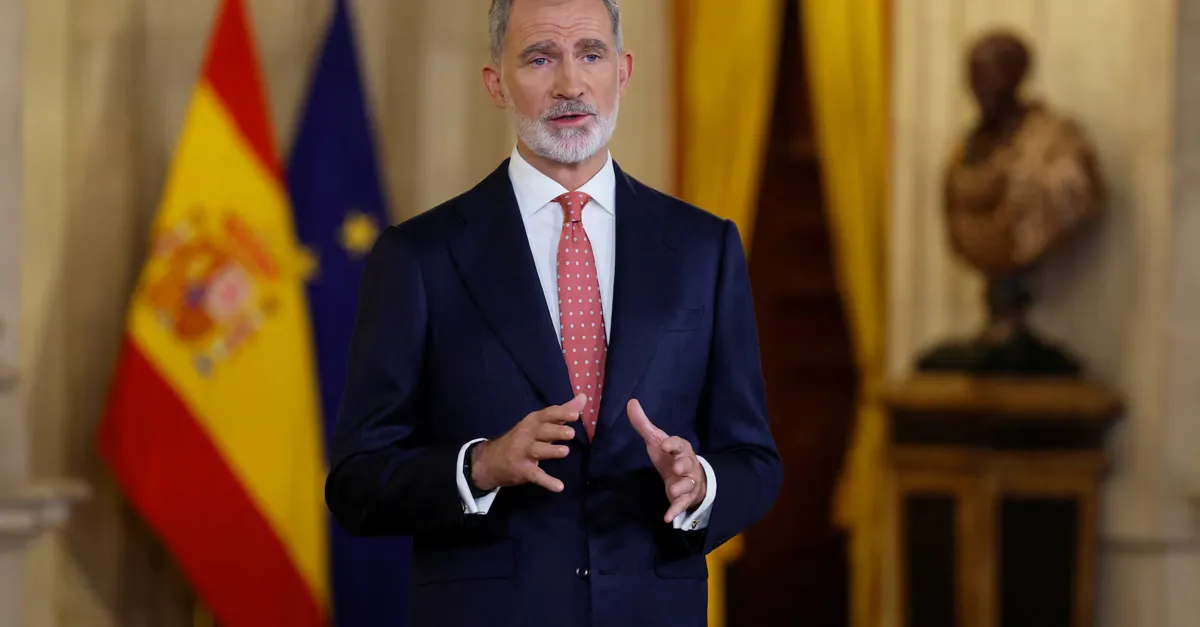
Spanish King Felipe VI has stated that European countries should have shown more solidarity with Spain and provided greater support following the mass crossing of thousands of migrants into Ceuta. He described the incident as "unacceptable" and highlighted the significant challenges it posed to security, public order, and humanitarian concerns. The King's comments reflect the need for enhanced cooperation among European Union member states.
The mass migration incident occurred on July 30, when approximately 72,000 migrants crossed into Ceuta, a Spanish enclave on Morocco's northern coast. In response, Spanish Prime Minister Pedro Sanchez, a strong supporter of the benefits of migration, launched a large-scale campaign to regularize the status of irregular migrants, which concluded in the summer. However, Sanchez's proposal to modify asylum rules to facilitate faster deportations has raised concerns among non-governmental organizations and lawyers.
Sanchez's proposal has sparked controversy, with critics arguing that it would violate human rights agreements. In response to questions about the plan, Spanish Minister for Regional Policy Angel Victor Torres stated that the government is considering possible legislative changes but acknowledged the complexity of the issue due to international law constraints. The Spanish government is navigating a delicate situation, balancing the need to manage migration flows with its obligations under international law.
The European Commission has responded to the migration crisis, with Commission President Ursula von der Leyen praising Spain's swift action in repatriating most migrants to Morocco. However, not all EU leaders have been equally understanding, with Italy suspending Schengen agreement arrangements with Spain for a month. The incident has highlighted the need for a unified European approach to migration management.
In response to the crisis, European Commissioner for Migration Magnus Brunner has unveiled a plan to strengthen external border controls. The proposal, which requires member state approval, would enhance the powers of the European Agency for Border and Coast Guard (Frontex) and provide a rapid response force. The plan aims to prevent similar incidents in the future.
King Felipe VI's comments were made during a dinner hosted in honor of French President Emmanuel Macron, who was visiting Spain. The King's remarks reflect the gravity of the situation and the need for a collective European response to migration challenges. The incident has strained relations between Spain and Morocco, with the two countries disagreeing on how to manage migration flows.
The migration crisis has significant implications for European politics, with many countries facing pressure to address the issue. The Spanish government's efforts to find a solution are being closely watched by other EU member states, which are also grappling with migration-related challenges. A unified European approach to migration management is essential to addressing the root causes of the crisis.
Key points
- European countries must share responsibility for migration management.
- The Spanish government is considering legislative changes to address migration challenges.
- The European Commission has proposed a plan to strengthen external border controls.