Spanish investigative journalist Jose Bautista has provided insight into Morocco's power dynamics, suggesting that the country's government holds little actual authority. In an interview with InfoBy, Bautista outlined a three-circle structure of power, placing the "Makhzen" - a term referring to the Moroccan monarchy and its institutions - at the center. He described the Makhzen as the primary source of power, followed by the General Directorate of Territorial Surveillance, and then the government.
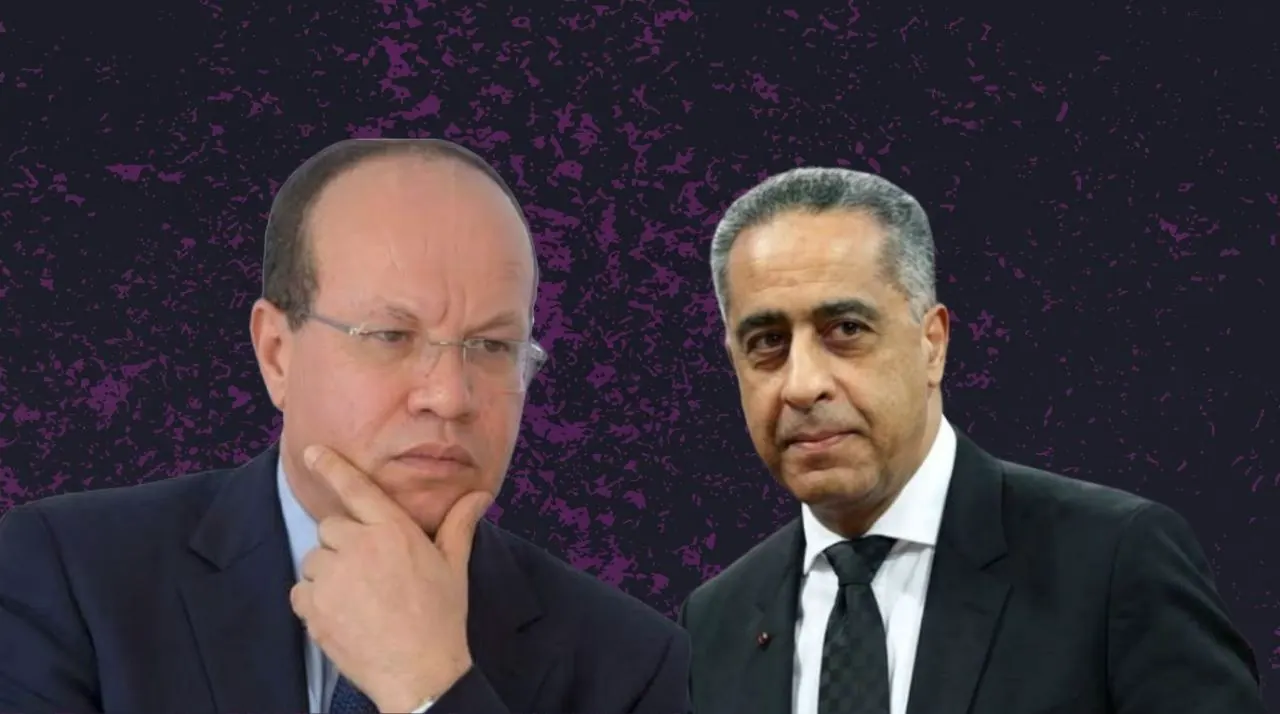
Bautista, who participated in international investigations by Forbidden Stories into Moroccan intelligence, identified Fouad Ali El Himma as a key figure in the Makhzen. He described El Himma as the person who "leads" the Makhzen. Bautista also highlighted Abdel Latif Al Hamouchi, director of the General Directorate of Territorial Surveillance, as the second most powerful person in the country. This assessment reflects Bautista's analysis of the balance of power within Morocco.
The journalist's comments on the government were more critical, characterizing its role as "aesthetic" and lacking real authority. Bautista stated that the actual power in Morocco is exercised by the Makhzen. He also discussed the appointment of Fatima Zahra El Mansouri as Prime Minister, suggesting that the choice of a woman for the position was intended to project a more modern image of Morocco abroad.
Bautista's interview touched on the recent crisis in Ceuta, a Spanish enclave in Morocco. He linked the events to a hidden struggle between Moroccan and Spanish intelligence agencies, suggesting that Rabat sought to send a provocative message to Madrid before the situation escalated. Bautista implicated El Himma and Al Hamouchi in the crisis, attributing a central role to them in the events.
The journalist also speculated about Al Hamouchi's future, mentioning rumors of a potential transfer to the Ministry of Interior following the Ceuta crisis. While he had no confirmation, Bautista's comments highlight the significance of Al Hamouchi's role in Moroccan politics. The interview underscores the importance of understanding the complex power dynamics within Morocco.
Bautista's analysis goes beyond the realm of security and intelligence, touching on the broader question of where actual power lies in Morocco. He suggested that some European media outlets view the relationship between elected and unelected institutions within the Moroccan political system as significant. The interview has sparked debate about the nature of power in Morocco and the role of key figures like El Himma and Al Hamouchi.
The importance of Bautista's interview lies in its documentation of a particular perspective on Morocco's power structure, rather than providing definitive proof of who governs the country. His comments have contributed to a nuanced discussion about the complex interplay of power within Morocco, highlighting the roles of the Makhzen, intelligence agencies, and government.
Key points
- Moroccan government holds little actual authority
- Fouad Ali El Himma and Abdel Latif Al Hamouchi are key figures in Morocco's power dynamics
- The Makhzen, not the government, exercises actual power in Morocco