On October 5, 2026, Spanish Prime Minister Pedro Sanchez announced the dissolution of the lower house of parliament and called for early legislative elections on November 29, 2026. This move comes amid rising protests related to the country's housing crisis and increasing difficulties faced by the government within parliament. The housing crisis, which has been building for years, has become a highly sensitive social issue, with the cost of housing, particularly rent, becoming an increasing burden on families.
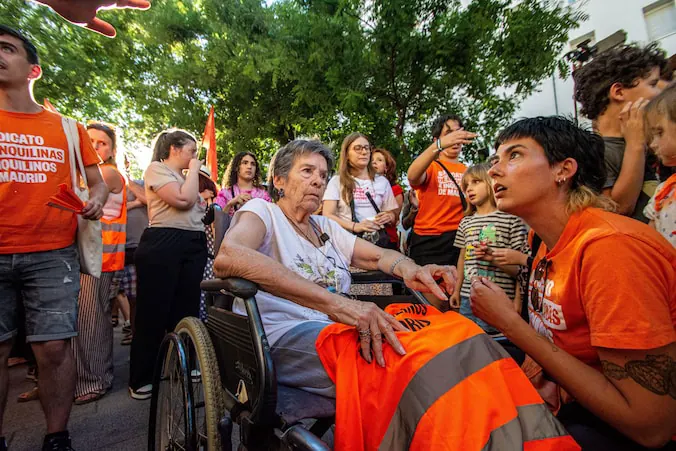
The housing crisis in Spain gained a human face with the case of 87-year-old Maria Carmen Abascal, who was evicted from her home in Madrid on September 23, 2026, after living there for nearly seven decades. The eviction, which was part of a real estate and judicial case, sparked widespread attention and outrage. Images of the elderly woman leaving her home, surrounded by police and supporters, made the issue more than just a legal dispute, turning it into a symbol of the struggles faced by many in maintaining their homes.
In the days following Abascal's eviction, her case sparked protests in Madrid, with demonstrators calling for greater protection for tenants, limits on evictions, and affordable housing. The protests, which began on September 26, 2026, expanded to include a broader range of demands, including the need for government action to address the housing crisis. The protests also highlighted the plight of those who reach an advanced age without being able to afford housing or face eviction.
The protests did not remain limited to marches, as Puerta del Sol in Madrid became a gathering point for demonstrators. Calls were made for continued action and pressure on the government to take urgent measures. As a result, Abascal's case became more than just an individual issue, representing a broader movement against the housing crisis in Spain. The government's response included the adoption of a package of housing-related measures on September 29, 2026, aimed at protecting some tenants threatened with eviction and regulating certain forms of rent.
However, these measures required parliamentary approval, where the government did not have a comfortable majority to ensure the passage of its initiatives. The housing crisis had become not only an economic debate but also a social issue, particularly in cities where rent prices had risen significantly. The government's proposals were met with resistance, and on October 2, 2026, a vote in parliament resulted in the rejection of related decrees, exposing the fragility of government support.
The housing crisis, which began as a social issue, had transformed into a political and parliamentary crisis. The inability of the government to push through its policies made the issue an test of Prime Minister Sanchez's ability to implement his agenda, even as the street demanded action to address the housing crisis. While Abascal's case garnered widespread sympathy, it did not solely define the Spanish housing crisis, which has accumulated economic, real estate, and legislative causes.
The early elections called by Sanchez mark a turning point in the crisis, as the government seeks to regain legitimacy and respond to the demands of the protesters. The outcome of the elections will likely determine the course of the country's housing policy and its ability to address the concerns of its citizens. As Spain prepares for the polls, the housing crisis remains a pressing issue, with many hoping for a more effective response from the next government.
Key points
- The Spanish government's decision to dissolve parliament and call for early elections was prompted by rising protests over the housing crisis and growing difficulties within parliament.
- The housing crisis, exemplified by the case of 87-year-old Maria Carmen Abascal, has become a highly sensitive social issue in Spain, with many demanding government action to address the issue.
- The early elections called by Prime Minister Sanchez will likely determine the course of Spain's housing policy and its ability to respond to the concerns of its citizens.