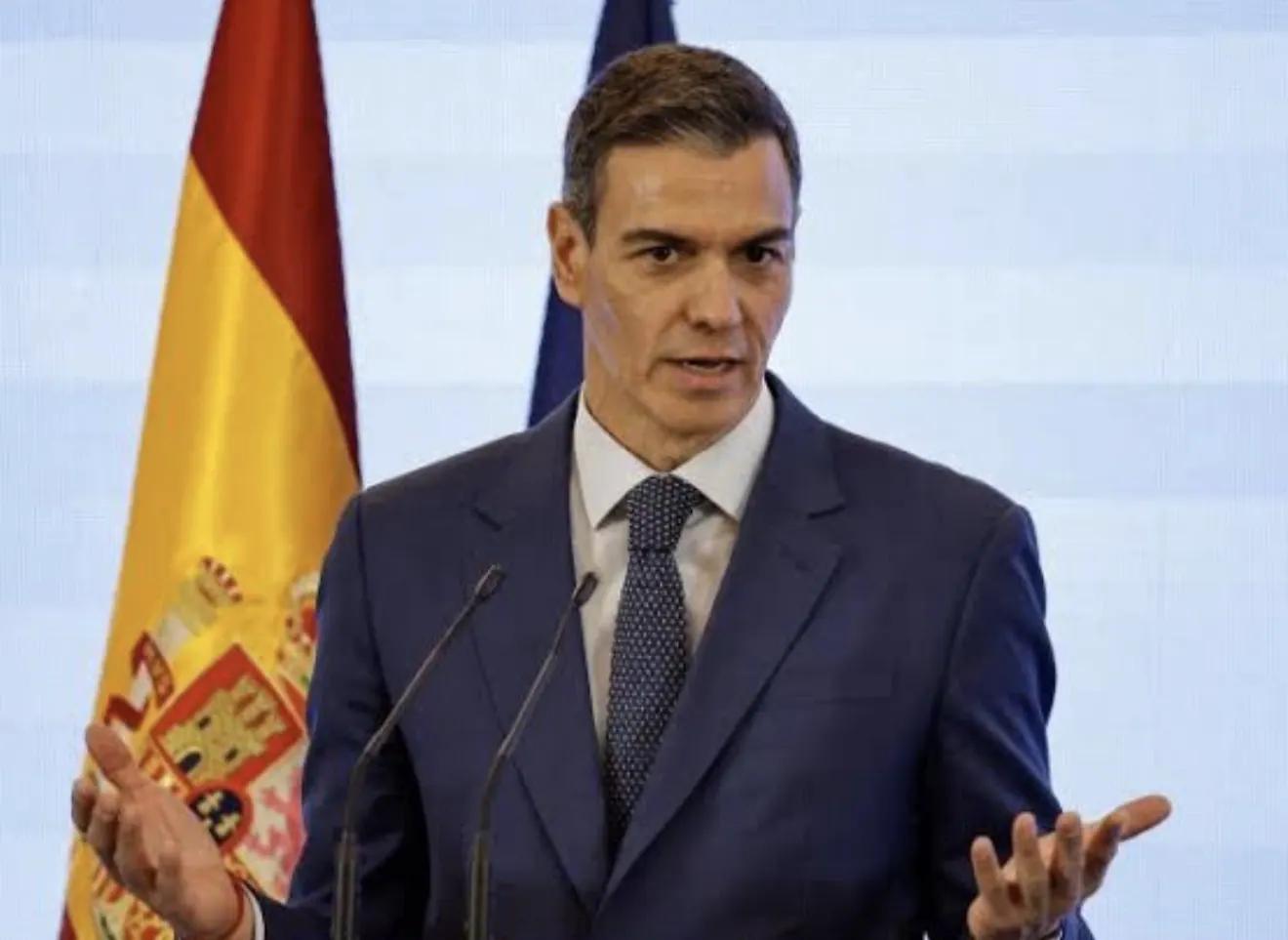
In a surprise move, Spanish Prime Minister Pedro Sanchez announced on October 5, 2026, that he would dissolve parliament and call for early legislative elections on November 29, 2026. This decision comes as the country faces a severe housing crisis, with widespread protests erupting in over 50 cities across Spain. The crisis began when an 87-year-old woman was evicted from her home, sparking outrage and highlighting the struggles of millions of Spaniards facing skyrocketing rents and a shortage of affordable housing.
The housing crisis has been a significant challenge for Sanchez's government, with the prime minister struggling to pass key legislation due to a fragile parliamentary majority. Despite negotiations with coalition partners, the government has been unable to push through crucial reforms, leading to a series of defeats in parliament. Sanchez had been considering various scenarios, including a potential cabinet reshuffle, before deciding to call early elections.
The protests that began in response to the eviction of the elderly woman have been marked by widespread demonstrations and sit-ins, particularly in Madrid's Puerta del Sol square. The image of the evicted woman, who had lived in her apartment for over 70 years, has become a powerful symbol of the nation's housing woes. Many Spaniards are struggling to afford basic housing, with rents increasing exponentially in recent years.
Sanchez's decision to call early elections brings an end to his government's term, which began after the July 23, 2023, elections. Before making the announcement, Sanchez informed King Felipe VI of his decision and initiated the necessary constitutional and legal procedures to dissolve parliament. This move marks a significant turning point in Spanish politics, with the prime minister hoping to secure a renewed mandate from voters.
The early elections will be a test of the Spanish people's mood, with many voters likely to express frustration with the current government's handling of the housing crisis. Sanchez's Socialist Workers' Party will face stiff competition from other parties, which may capitalize on the government's perceived failures. The outcome of the elections will determine the course of Spanish politics for the coming years.
The housing crisis in Spain has far-reaching implications, with many experts warning that the situation could worsen unless decisive action is taken. The issue has become a rallying cry for protesters, who are demanding more affordable housing and greater regulation of the rental market. The next government will face significant pressure to address this pressing issue.
As Spain prepares for early elections, the international community is watching with interest. The country's instability may have implications for European politics, particularly given the current challenges facing the European Union. The outcome of the elections will be closely monitored by investors, policymakers, and ordinary citizens, both within Spain and beyond.
Key points
- The Spanish government, led by Prime Minister Pedro Sanchez, has been dissolved due to a housing crisis and legislative gridlock.
- The early elections, set for November 29, 2026, will be a test of the Spanish people's mood and may have significant implications for the country's future.
- The housing crisis in Spain has led to widespread protests and has become a major challenge for the government, with many experts warning that the situation could worsen unless decisive action is taken.