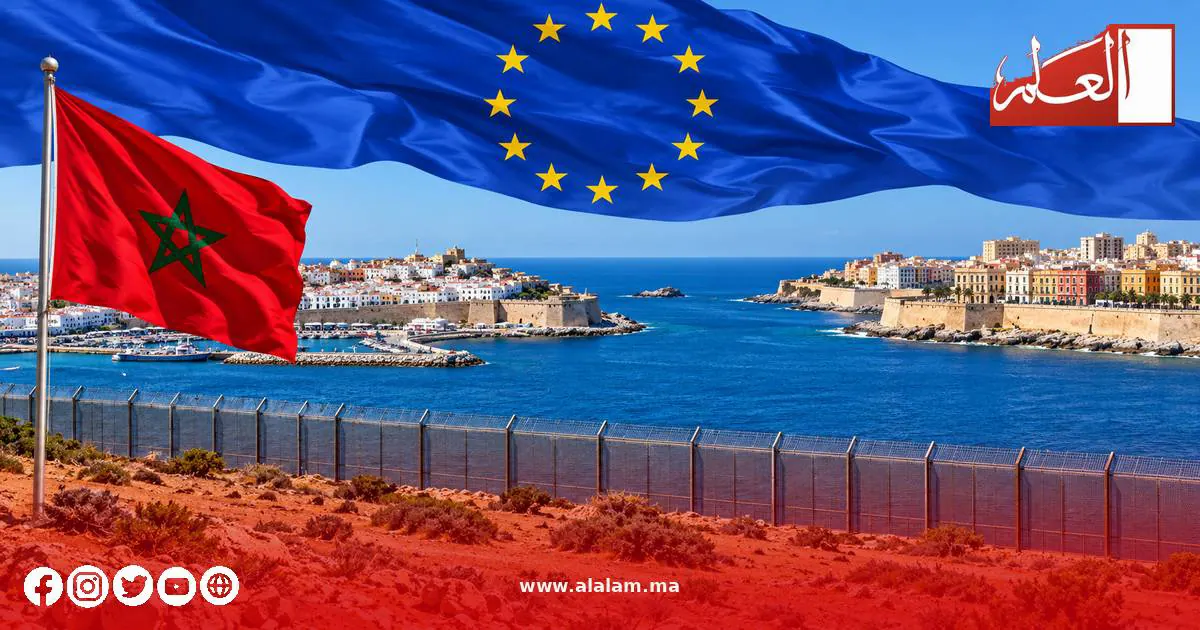
Spanish Prime Minister Pedro Sanchez has announced a new approach to the status of Ceuta and Melilla, two cities in North Africa that have been under Spanish control since the 15th century. Sanchez stated that Spain "lacked ambition" when it joined the European Union in 1986 by keeping the cities outside the European customs union and some EU policies. He said it was time to correct this situation and achieve deeper integration for the cities within the EU.
The move comes after a recent migration crisis in Ceuta, where thousands of migrants crossed into the city from Morocco. Sanchez's government has taken steps to address the crisis, including deploying more security forces and increasing funding for social services. The government has allocated 309 million euros to support Ceuta, which is equivalent to around 16% of the city's GDP. The funding will be used for basic services, security, and economic support.
The Spanish government is also seeking to increase the presence of European institutions in Ceuta and Melilla. The city will have a permanent seat on the European Committee of the Regions, and the European border agency Frontex will have a stronger presence on the ground. The Spanish Foreign Minister, Jose Manuel Albares, has met with European officials to discuss the plans, which include studying the possibility of Ceuta and Melilla joining the European customs union.
The integration of Ceuta and Melilla into the EU has implications for Morocco, which claims sovereignty over the cities. The Moroccan government has not been directly involved in the recent discussions, but it is likely to be watching the developments closely. Spanish-Moroccan relations have improved in recent years, but the status of Ceuta and Melilla remains a sensitive issue.
The changes proposed by Sanchez's government are seen as a significant shift in Spain's approach to the cities. Previously, Spain had been keen to maintain a degree of ambiguity over the status of Ceuta and Melilla, but the new approach is more focused on integrating the cities into the EU. This could have significant implications for the future of the cities and their relationship with Morocco.
While the plans are still in development, they have been welcomed by the European Commission. The Commissioner for Home Affairs, Margaritis Schinas, has stated that the EU is committed to supporting Spain in managing its external borders, including Ceuta and Melilla. The developments are being closely watched by all parties involved, as they could have significant implications for the future of the region.
The integration of Ceuta and Melilla into the EU is a complex issue that will require careful negotiation and coordination between Spain, the EU, and Morocco. While there are many challenges ahead, the move is seen as a significant step towards resolving the status of the cities and their relationship with the EU and Morocco.
Key points
- Spain's government is seeking to deepen the integration of Ceuta and Melilla into the European Union.
- The move is seen as a response to a recent migration crisis in Ceuta and a desire to strengthen the city's ties with the EU.
- The integration of Ceuta and Melilla into the EU has implications for Morocco, which claims sovereignty over the cities.