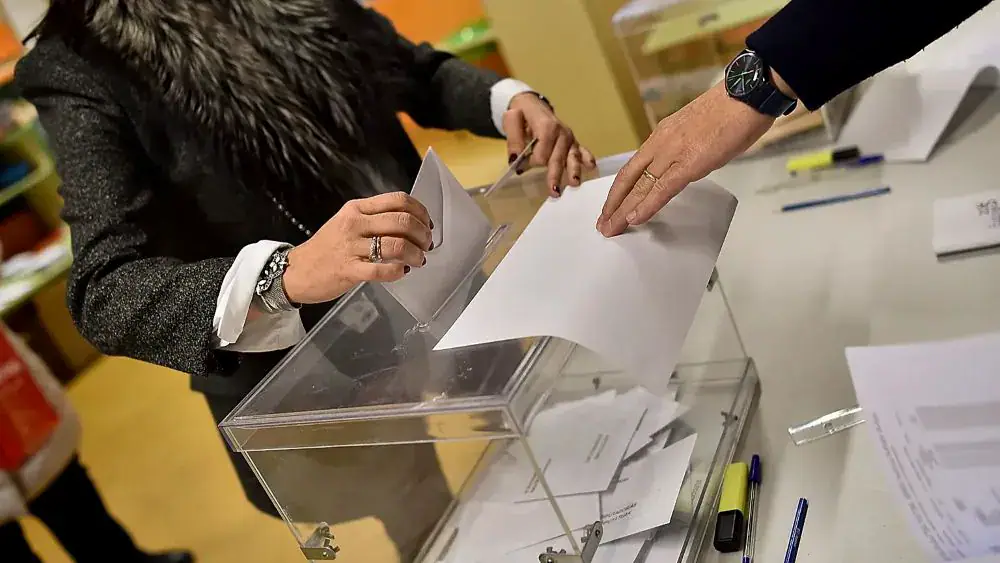
Spain is set to hold early legislative elections today, with 38.6 million eligible voters casting their ballots. This number represents an increase of 1.2 million voters compared to the previous legislative elections in 2023. The elections were called by Prime Minister Pedro Sánchez on October 5, following the rejection of two decrees aimed at addressing housing concerns. The votes will determine the composition of the Parliament, with 350 deputies and 209 senators to be elected.
The elections mark the 17th general election in Spain since the end of the dictatorship of General Francisco Franco in 1975. The current parliament was initiated in 2023, but Sánchez opted to dissolve it and call for new elections. The decision came after thousands of people took to the streets to protest against evictions and the difficulties of buying or renting a house. The protests led to the rejection of two decrees with measures aimed at addressing housing concerns.
The elections will take place across 52 electoral districts, corresponding to Spanish provinces and the autonomous cities of Ceuta and Melilla. The outcome is expected to have significant implications for the country's future, with recent polls suggesting a majority of right-wing and far-right parties in the Parliament. If the predictions hold true, it would mark a shift away from the left-wing governments that have been in power for the past eight years.
Prime Minister Sánchez, a socialist, had been leading a government that had implemented various measures to address housing concerns. However, the rejection of the decrees led to the calling of new elections. The opposition parties have been critical of Sánchez's policies, arguing that they have not done enough to address the country's housing crisis. The election outcome will likely determine the direction of the country's housing policies.
The elections are also being seen as a test of the country's democratic institutions. Spain has a long history of democratic governance, and the elections are expected to be free and fair. The country has made significant progress in consolidating its democracy since the end of the Franco era.
The international community is closely watching the elections, with many observers expecting a significant shift in the country's politics. The outcome will likely have implications for Spain's relationships with other European countries and the global community. The elections are also being seen as a test of the country's ability to address its economic and social challenges.
The elections will conclude with the counting of votes and the announcement of the results. The outcome will determine the composition of the Parliament and the direction of the country's policies. The new government will face significant challenges, including addressing the country's housing crisis and promoting economic growth.
Key points
- 38.6 million eligible voters are casting their ballots in Spain's early legislative elections.
Reporting sources
- ESPANHA: 38,6 milhões chamados a votar em legislativas antecipadas · jornalnoticias.co.mz