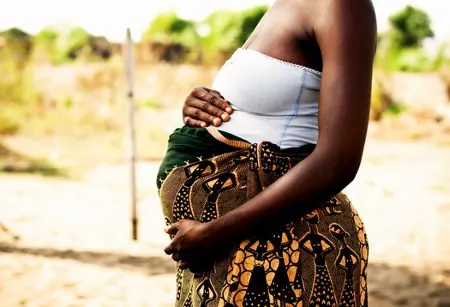
Health officials in South Tongu District have confirmed that teenage pregnancy figures climbed further in the first six months of 2026. The district recorded around 190 teenage pregnancy cases between January and June 2026, compared with 166 cases recorded over the same period the previous year. This represents a significant increase in teenage pregnancy cases in the poverty-hit Volta Region district.
According to the South Tongu District Public Health Nurse, Rachelle Elikem Zewu, the district has now crossed the national teenage pregnancy threshold of 11.5%, recording a rate of 11.6%. She described the trend as worrying, noting that the goal is to bring the figure back below 11.5%, or even to the 9.5% recorded the previous year. Zewu pointed to an intensive adolescent education campaign now being rolled out with partner stakeholders to boost teenagers' knowledge of their well-being and how to navigate adolescence.
Officials and traditional leaders have consistently pointed to poverty, drug abuse, inadequate sexual education, sexual and gender-based violence, and unprotected sex as recurring drivers of the district's teenage pregnancy numbers. South Tongu's poverty index stands at 36.0%, according to the Ghana Statistical Service, with most residents living in rural communities and facing multidimensional poverty — a backdrop that officials say continues to shape adolescent vulnerability in the district.
The Queenmother of Fevie, Nanega Mariama Fomedigbe II, expressed concern over the rising cases, blaming ignorance, joblessness, and indiscipline among young people as contributing factors. She said many youth in the district are not gainfully employed, leaving them exposed to peer pressure that draws them into drug use and sexual activity. In some cases, young people are simply unaware of the risks rather than acting out of choice.
In response to the rising cases, the Nanega Development Initiative (NADI) has been launched to reduce teenage pregnancy cases in the district. Fomedigbe II said the initiative is intended to be replicated across 17 districts in the Volta Region, with an appeal to stakeholders to mobilise resources for the anti-teenage pregnancy campaign. The initiative aims to address the root causes of teenage pregnancy and provide support to young people in the district.
The issue of teenage pregnancy has also drawn national attention, with the Gender Minister recently stressing that pregnancy should not end a girl's schooling. The government and traditional leaders are working together to address the issue, with a focus on providing education and economic opportunities to young people in the district. The district's education drive and the NADI campaign aim to reduce teenage pregnancy cases and improve the overall well-being of young people in South Tongu.
The new South Tongu figures follow other adolescent health data, including Adaklu's teenage pregnancy cases rising to 120 in 2025, including four girls under 15. The South Tongu District's efforts to address teenage pregnancy are part of a wider pattern of initiatives aimed at improving adolescent health in the region. No timeline has been given for when the district's education drive or the NADI campaign is expected to show measurable results.
Key points
- The South Tongu district in Ghana has recorded 190 teenage pregnancy cases in the first half of 2026, up from 166 cases in the same period in 2025.
- The district's teenage pregnancy rate has crossed the national threshold of 11.5%, with a current rate of 11.6%.
- Traditional leaders and officials have launched new initiatives, including the Nanega Development Initiative, to address the root causes of teenage pregnancy and provide support to young people in the district.