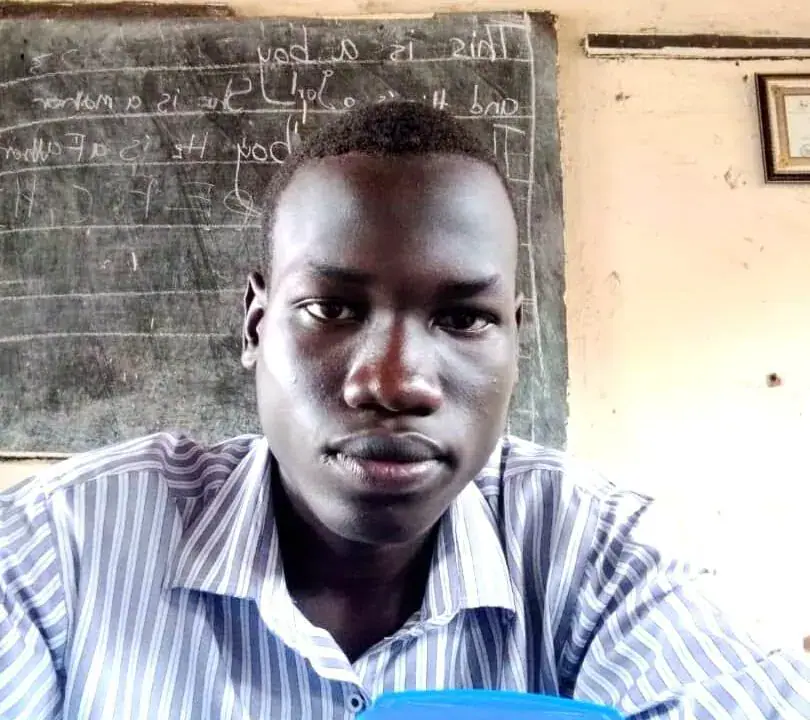
In South Sudan, young people are struggling to balance their pursuit of higher education with the harsh realities of economic survival. The country's economic distress, coupled with the burden of providing for their families, has led many to prioritize their daily needs over their academic aspirations. As a result, many youths are forced to take on menial jobs, such as riding boda-bodas, to make ends meet.
The situation is further complicated by the fact that many young people are expected to take on parental responsibilities at a young age. With the average South Sudanese youth expected to provide for their family's daily needs by the age of 24, it is little wonder that many are forced to put their studies on hold. The youth are now in the position of caretaker parents for their siblings and distant relatives back home, leaving them with little time or resources to devote to their education.
Despite these challenges, the youth in South Sudan are the backbone of the country's economy, making up 65-70% of the workforce. They are the ones who keep the country's economy alive through their various businesses and services. However, their hard work and dedication often go unrewarded, as many are left with no jobs despite holding degrees. This has led to a situation where many degree holders are among the most victimized and neglected members of society.
The question then arises as to whether it is really worth attending university in South Sudan. With many youths struggling to make ends meet and facing significant barriers to accessing education, it is clear that the system is not working in their favor. The government has been accused of failing to address the issue, with public universities often operating as private commercial centers that prioritize profit over people.
The author of a recent opinion piece, Gabriel Patrick Lagu, argues that the system is rigged against young people and that they are not given the time or resources to hustle for their future. He points to the need for a philosophical approach to addressing the problem, one that recognizes the root causes of the issue and seeks to bring about change.
Despite the challenges, Lagu offers a message of hope and resilience to the youth of South Sudan. He salutes the "Shabab" for their determination and encourages them to continue fighting for a better future. His article is a testament to the struggles faced by young people in South Sudan and a call to action for those who seek to bring about change.
The issue of access to education in South Sudan is a complex one, with no easy solutions. However, by acknowledging the challenges faced by young people and seeking to address them, it is possible to create a more equitable and sustainable system. One thing is clear: the future of South Sudan depends on the education and empowerment of its youth.
Key points
- The youth in South Sudan are struggling to balance their pursuit of higher education with the harsh realities of economic survival.
- Many young people in South Sudan are forced to take on parental responsibilities at a young age, leaving them with little time or resources to devote to their education.
- The government has been accused of failing to address the issue of access to education in South Sudan, with public universities often operating as private commercial centers that prioritize profit over people.
Reporting sources
- Op-Ed: Pocket-wise, is it really worth attending university? · No.1 Citizens