South Sudan is currently at a defining moment in its political history, with a growing call for a new political consciousness, national unity, accountability, and a renewed commitment to the promises upon which the liberation struggle was founded. The responsibility to shape the country's future must not be left in the hands of a few political actors but must become a collective responsibility of all South Sudanese, regardless of ethnicity, tribe, gender, age, political affiliation, geographical background, or social status.
The forthcoming elections in South Sudan should represent more than a political competition for positions of leadership. They should be an opportunity for national reflection, reconciliation, political accountability, and a peaceful transfer of public confidence through the ballot. The liberation struggle was built on the hopes and sacrifices of generations who dreamed of freedom, dignity, equality, justice, and prosperity. Those promises must not remain historical slogans but be translated into tangible realities through responsible leadership and democratic institutions.
The election should be an opportunity for change-minded citizens, political parties, independent candidates, civil society, women, youth, elders, and other stakeholders to engage in a common national conversation about the future they want to build. This requires a new political culture in which leadership is earned through public trust, integrity, ideas, service, and accountability rather than violence, intimidation, corruption, or political manipulation. The ballot must become the people's peaceful instrument for rewarding accountable leadership and choosing a different direction where necessary.
Those entrusted with public resources must understand that public office is a responsibility, not personal property. Where credible evidence establishes corruption, abuse of office, or betrayal of public trust, the law and democratic institutions must provide accountability. No individual should be above the law. The unwanted seeds of corruption, division, and impunity must give way to a new culture of integrity and responsible governance.
The mission must not be to destroy one another but to transform the political system. This involves sending failed political practices home through the democratic process and making room for a new generation of ideas, leadership, and national responsibility. South Sudan needs bridges, not walls; dialogue, not hostility; institutions, not personalities; and national interests above individual political ambitions.
The call for change is not limited to the government but also involves citizens and other stakeholders. It requires collective action to build a new political culture that prioritizes accountability, transparency, and service delivery. This can be achieved through active participation in the electoral process, engagement in national conversations, and holding leaders accountable for their actions.
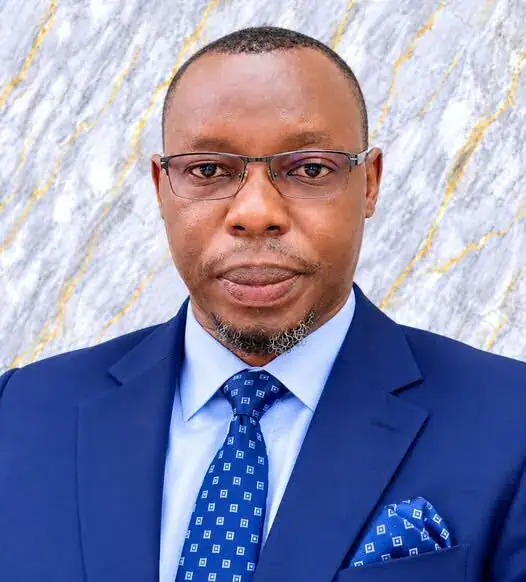
The article was written by Hon. Mogga Charles Guya, Secretary of Foreign Affairs, South Sudan National Movement for Change (SSNMC). The opinions expressed do not represent the view or position of the company. The article emphasizes the need for a renewed commitment to the promises of the liberation struggle and a collective responsibility to shape the country's future.
Key points
- South Sudan's forthcoming elections should be an opportunity for national reflection, reconciliation, and political accountability.
- A new political culture is needed, where leadership is earned through public trust, integrity, and accountability.
- The ballot should be the people's peaceful instrument for rewarding accountable leadership and choosing a different direction where necessary.