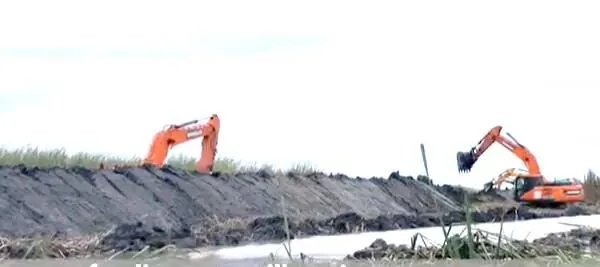
Communities in Unity State, South Sudan, are bracing for the impact of heavy rains predicted in the region, with concerns over the state's flood defensive dykes. The dykes, which protect an estimated 300,000 vulnerable people living in and around Bentiu, are expected to come under increasing pressure if heavy rains intensify. Many residents have experienced repeated displacement and humanitarian hardship due to climate-related challenges.
The dykes in and around Bentiu are maintained with support from the International Organisation for Migration (IOM) and the United Nations Mission in South Sudan (UNMISS). However, concerns over the condition and sustainability of the flood-control network have grown as humanitarian organisations face reduced funding. The need for assistance continues to increase, and UNMISS officials have called for stronger national leadership in responding to the growing climate and humanitarian risks.
Sam Muhumure, Head of the UNMISS Bentiu Field Office, has urged the government to take greater responsibility for supporting displaced people and finding long-term solutions to their situation. Muhumure emphasized that the government should shoulder the responsibility to support the displaced community and provide them with security and a long-term solution. This call highlights the need for government authorities and humanitarian partners to strengthen flood preparedness.
Maintaining and reinforcing the dykes, improving drainage systems, and ensuring early-warning information reaches vulnerable communities could help reduce the impact of possible flooding. Humanitarian agencies have also stressed the importance of contingency planning, particularly as reduced funding could limit the capacity to respond to emergencies after flooding occurs. This is crucial for communities that have repeatedly suffered the consequences of extreme weather.
Any major breach of the flood defenses could expose thousands of people to displacement, disease, loss of property, and disruption of basic services. The situation in Unity State highlights the growing risks and presents both a humanitarian and national responsibility. It requires sustained government leadership, community participation, and continued support from humanitarian partners to protect vulnerable populations.
The predicted heavy rains and possible El Niño event have raised concerns over the humanitarian situation in South Sudan. Climate-related challenges have become a persistent part of daily life for residents of Unity State, with repeated flooding displacing communities and damaging livelihoods and essential infrastructure. The international community and humanitarian organisations are working to mitigate the impact of the floods.
The humanitarian situation in Unity State underscores the need for sustained support and cooperation between government authorities, humanitarian partners, and local communities. The response to the growing climate and humanitarian risks requires a collaborative effort to protect vulnerable populations and provide long-term solutions to their situation. The situation in Unity State will require close monitoring and a coordinated response to mitigate the impact of the predicted floods.
Key points
- The flood defensive dykes in Unity State's Bentiu area protect an estimated 300,000 vulnerable people.
- Humanitarian organisations face reduced funding, which could limit their capacity to respond to emergencies after flooding occurs.
- UNMISS officials have called for stronger national leadership in responding to the growing climate and humanitarian risks facing displaced communities in Unity State.