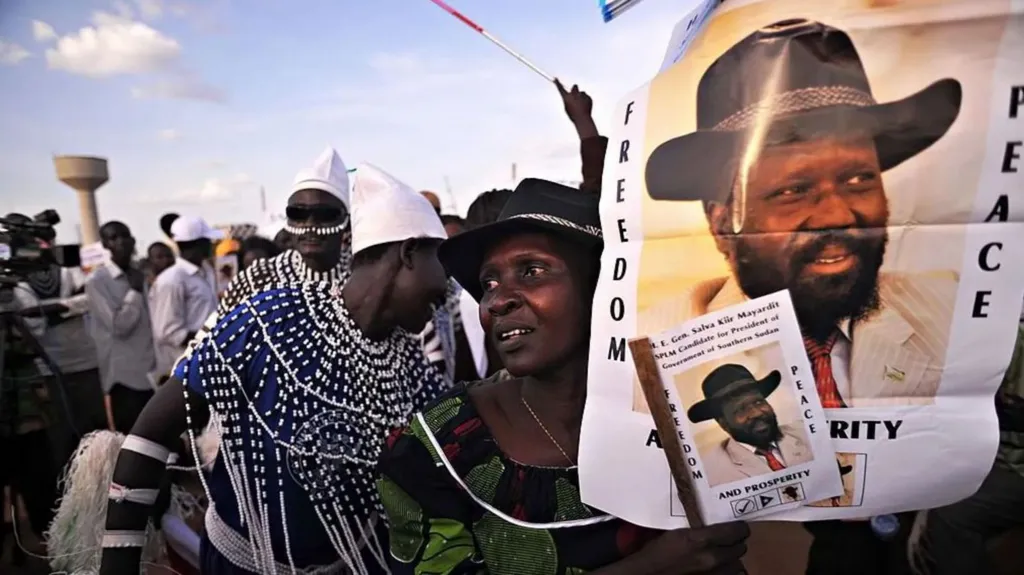
In a significant move, South Sudan's President Salva Kiir has dissolved the transitional unity government, effective immediately. This decision comes as the nation prepares for its first-ever national elections, scheduled for December 22. The executive decree, read out by the state broadcaster, also removed all vice-presidents, cabinet ministers, and local administrators, while dissolving the national legislature and state governments. This move marks the end of a power-sharing arrangement established under a 2018 peace agreement that previously halted years of civil war.
The transitional period and implementation of the 2018 peace deal had been extended several times. Despite the dissolution, Kiir will remain in office throughout the electoral period until a newly elected president assumes office. The judiciary and security institutions will continue to operate, while caretaker ministers have been appointed to manage key portfolios. This ensures continuity of governance and stability in the country during this critical period.
The decree followed parliamentary approval of amendments to the National Elections Act. These legislative changes cleared critical hurdles by removing prerequisites that previously tied the vote to completing a permanent constitution or a national population census. This development paves the way for the elections to proceed as scheduled, addressing some of the longstanding issues that had threatened to delay the polls.
Last week, Kiir replaced the head of the national elections commission without providing a public reason. The new chief has been given a mandate to oversee preparations for the polls. This move has raised some eyebrows, but it is seen as a necessary step to ensure the elections are conducted smoothly and efficiently.
The political transition is unfolding under heightened security in the capital, Juba. Checkpoints and road closures have been established around the government complex, with security personnel ordered on high alert. This increased security presence is aimed at maintaining order and preventing any potential disruptions during this sensitive period.
Meanwhile, Kiir’s longtime rival and former first vice-president, Riek Machar, remains under house arrest. Machar faces an ongoing trial on charges including treason and murder, which he denies. While Kiir is expected to run for the presidency, Machar’s status and candidacy remain uncertain, adding to the complexity of the country's political landscape.
Human rights organizations and political analysts have expressed mixed views on the dissolution. Amnesty International has welcomed the move as a step toward the country’s historic elections but stressed that authorities must protect civic freedoms. Conversely, independent experts have warned that the abrupt restructuring concentrates unchecked authority in the presidency, raising concerns about the potential for abuse of power.
Key points
- President Salva Kiir has dissolved the transitional unity government ahead of South Sudan's first national elections.
- The elections are scheduled for December 22, with Kiir set to remain in office until a newly elected president assumes office.
- The move has raised concerns about the concentration of unchecked authority in the presidency and the protection of civic freedoms.