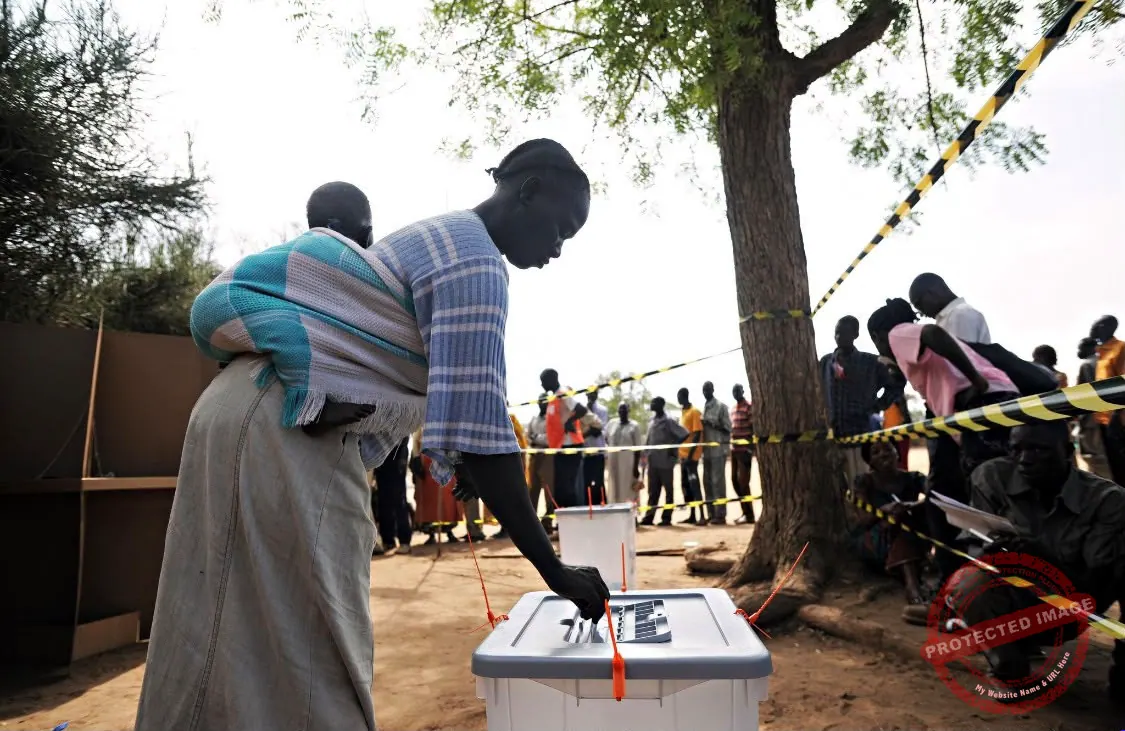
South Sudan is approaching its first anticipated general elections since independence, but the country's political parties are facing significant internal disputes. The ruling SPLM, the SPLM-IO, SSOA, OPP, Former Detainees, and other opposition movements have all experienced internal disputes, rival leadership claims, defections, and competing factions. This raises concerns about the ability of these parties to govern the country democratically. The internal disputes have led to questions about the parties' readiness to govern.
The SPLM-IO, a major opposition movement, has fractured into competing camps following the detention and house arrest of Riek Machar in Juba in 2025. One faction emerged around Stephen Par Kuol, who presented himself as interim chairman, while another faction rallied behind Oyet Nathaniel, who rejected Par Kuol's claim to the leadership. The division has led to disputes over parliamentary representation, appointments, and control of the movement. The SPLM-IO factions have publicly clashed over the removal of 47 opposition lawmakers from parliament.
The South Sudan Opposition Alliance (SSOA) has also experienced fragmentation, with a faction aligned with Vice President Hussein Abdelbagi separating from the camp associated with former Vice President Josephine Lagu. The division has affected parliamentary representation and the alliance's political position on the implementation of the peace agreement. In January 2026, more than 1,000 SSOA fighters were reported to have defected to the SPLA-IO in Jonglei, illustrating the security implications of political fragmentation.
The Other Political Parties (OPP) grouping, established to provide space for parties outside the main SPLM and SPLM-IO camps, is also experiencing fragmentation. The National Alliance of Political Parties, an OPP grouping, has faced a crisis after its chairman, Kornelio Kon Ngu, announced his intention to challenge President Kiir in the December election. Eight political parties withdrew confidence in him, accusing him of exceeding his mandate and making unilateral decisions.
The fragmentation of political parties in South Sudan has significant implications for the country's stability and democratic development. The internal disputes have raised concerns about the ability of these parties to govern the country democratically. The country's history of conflict and instability has also contributed to the fragmentation of political parties.
Even the ruling SPLM has not been immune to internal challenges. The departure of veteran SPLM figure Nhial Deng Nhial in October 2025 and the creation of the South Sudan Salvation Movement represented one of the most significant challenges from within the ruling party's historical establishment. Nhial accused the SPLM leadership of abandoning the vision associated with its founding leader, Dr. John Garang.
The internal disputes within South Sudan's political parties have raised concerns about the country's readiness for elections. The country's electoral commission has registered several parties to participate in the elections, but the internal disputes have raised questions about the legitimacy of the electoral process. The international community has also expressed concerns about the country's readiness for elections.
Key points
- The internal disputes within South Sudan's political parties have significant implications for the country's stability and democratic development.
- The fragmentation of political parties in South Sudan has raised concerns about the ability of these parties to govern the country democratically.
- The country's history of conflict and instability has contributed to the fragmentation of political parties.