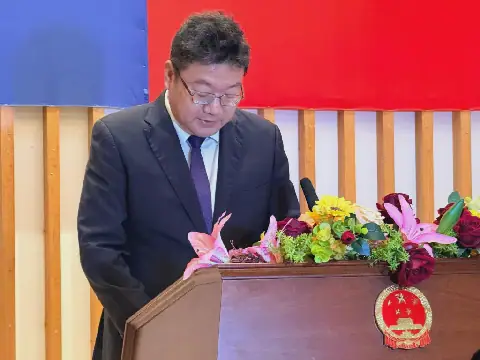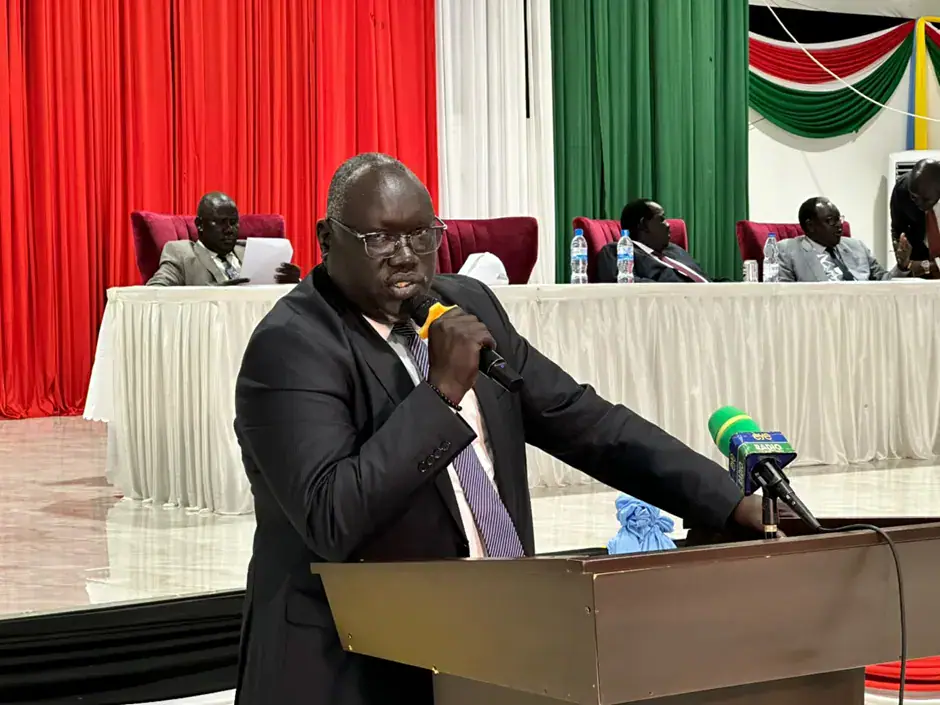
The Political Parties Council (PPC) in South Sudan is calling on the government to provide interim funding to political parties before the general elections scheduled for February 11, 2027. The Council's Chairperson, James Akol Zakayo, stated that the current legal framework primarily authorizes public financing after elections, leaving parties unable to meet their financial and operational needs in the lead-up to the polls. This has raised concerns that financial constraints could hinder the participation of political parties in the electoral process.
The PPC is seeking an interim solution to enable political parties to conduct their activities during the electoral period. Zakayo explained that the Political Parties Act allows for public funding, but predominantly supports parties financially after elections. The Council has completed several administrative and regulatory tasks, including the registration and verification of political parties, the adoption of a code of conduct, and the recruitment of field coordinators and inspectors for deployment across the ten states and three administrative areas.
Zakayo highlighted that public funding is not guaranteed for every registered political party; parties must meet specific legal and administrative requirements, such as maintaining accurate financial records and submitting financial reports to the appropriate authorities. Parties that do not comply with these requirements risk losing their eligibility for public funding. The Council is also collaborating with relevant authorities to address concerns from political parties regarding the safety of their leaders and members during political activities.
The National Elections Commission (NEC) Chairperson, Gabriel Bol Deng, defended the decision to reschedule the elections to February 11, 2027, asserting that it falls within the Commission's legal authority. Deng urged political stakeholders to refrain from debating issues that have already been addressed by the law and to focus on completing the remaining electoral preparations. He emphasized that political parties need ample time to prepare for their campaigns and other electoral activities.
Deng announced that he would provide copies of the National Elections Act of 2012, as amended in 2026, and the Political Parties Act to ensure that parties have access to relevant legal provisions. These documents will be given to the PPC Chairperson for distribution among political parties. This move aims to promote transparency and ensure that all parties are aware of their obligations and responsibilities.
Presidential Advisor on National Security, Tut Gatluak, stated that recommendations from the dialogue will be submitted to the relevant authorities for consideration and implementation. The dialogue brought together political stakeholders to address challenges in the electoral process, including party funding, security, legal provisions, and preparations for the rescheduled elections.
The Political Parties Council's call for interim funding highlights the challenges faced by political parties in South Sudan as they prepare for the 2027 general elections. The Council's efforts to address these challenges and ensure a smooth electoral process are crucial to the country's democratic development. Key issues, such as party funding and security, must be addressed to guarantee a free and fair electoral process.
Key points
- The Political Parties Council is urging the government to allocate interim funding to political parties ahead of the 2027 general elections.
- The current legal framework primarily authorizes public financing after elections, leaving parties unable to meet their financial and operational needs in the lead-up to the polls.
- The National Elections Commission Chairperson defended the decision to reschedule the elections to February 11, 2027, asserting that it falls within the Commission's legal authority.