South Sudan's ongoing struggle with democracy is rooted in the gap between agreed-upon commitments and their implementation. Despite the 2015 peace deal and the 2018 Revitalized Agreement, the country still faces significant challenges. The agreements aimed to end the civil war through power-sharing, security reform, and transitional justice, but many commitments were delayed or never completed.
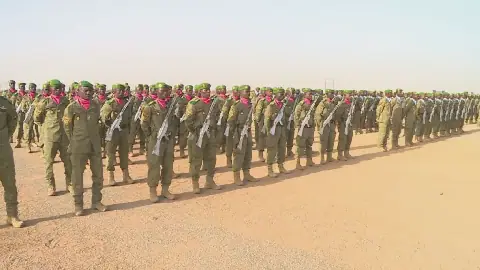
A major issue in South Sudan is that politics relies heavily on power-sharing among elites rather than strong institutions. This creates an environment where government positions are seen as rewards for political bargaining or military leverage, reducing the incentive for political actors to build parties based on public support. The country also has not completed the creation of a fully unified national army, leaving unfinished tasks such as force unification and security-sector reform.
The peace agreements have primarily focused on elite competition in Juba, while violence persists at state and county levels over issues like land, cattle, and local political power. Furthermore, justice remains a significant gap, with slow implementation of the Hybrid Court, truth and reconciliation mechanisms, and compensation for victims. Without accountability, the cycle of violence and political relevance can continue.
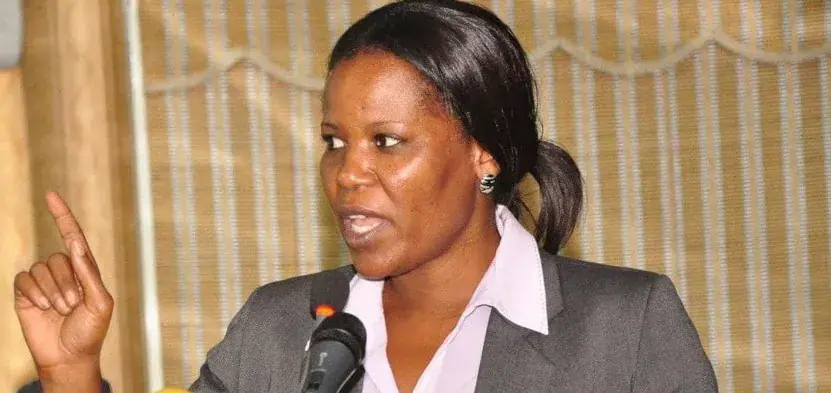
The political crisis in South Sudan is closely tied to the economy, with control of government often equating to access to oil revenues and public resources. This makes losing political power a significant loss. The central question arises: Can holding an election alone make South Sudan democratic? According to Lilian Riziq, a social justice activist, the answer is no.
Real democracy requires citizens to be free to choose, opposition candidates to be able to organize and speak freely, and state institutions to act impartially. It also means that politicians can lose elections without fearing arrest or threats to their safety. A political party should not need its own armed force to survive. South Sudan needs to transition from peace among leaders to peace through institutions.
To achieve this, South Sudan requires professional national armed forces and police, an agreed permanent constitution, an independent judiciary, and transparent management of oil revenues. Protection for press freedom and political activity, as well as institutions capable of holding people accountable, are also essential. Ending the pattern of extending transitional periods due to incomplete reforms is crucial.
The focus should not solely be on holding elections but on ensuring free participation, neutral state institutions, and security for all political actors. If these conditions cannot be met, elections alone will not solve South Sudan's political crisis. The country needs a democratic system where political authority comes from citizens and institutions are stronger than individuals.
Key points
- South Sudan's democracy requires more than just elections; it needs free participation, impartial institutions, and accountability.
Reporting sources
- Op-Ed| Why South Sudan needs real democracy, not a sham election · Radio Tamazuj