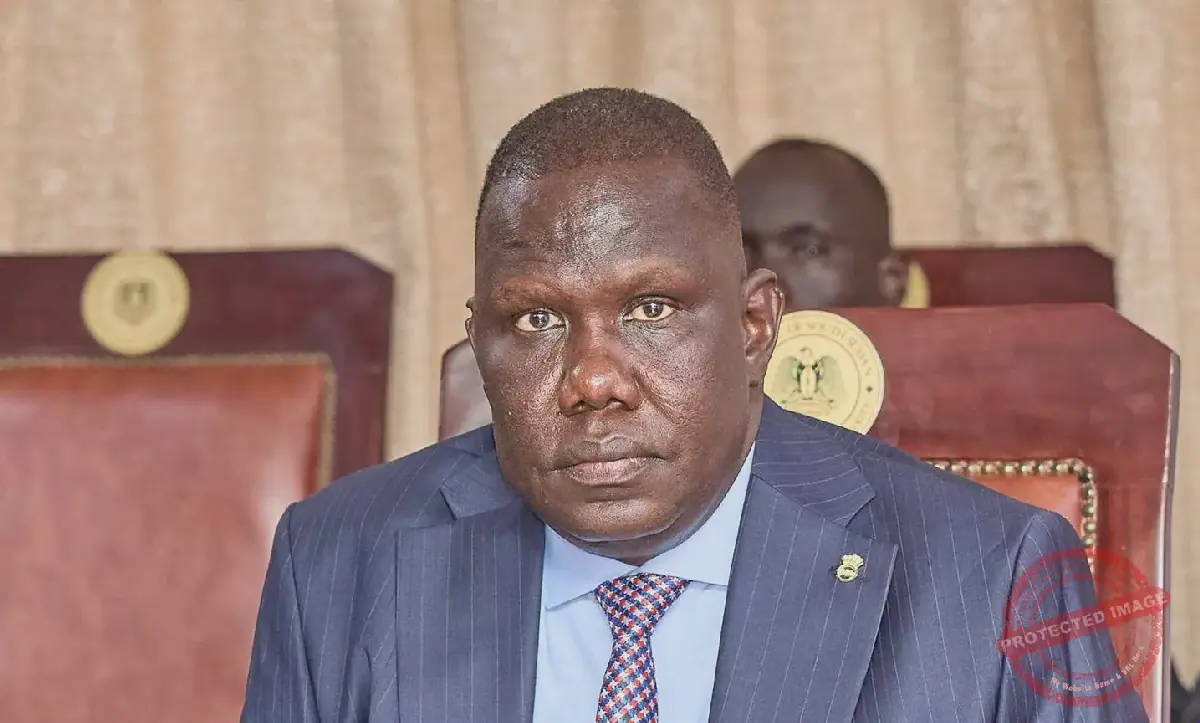
The Chairperson of South Sudan's National Election Commission (NEC), Gabriel Bol Deng, has defended the adjustment of the country's electoral calendar. He stated that the decision was necessary to ensure credible, transparent, and inclusive elections. Bol Deng explained that the Commission required an additional 115 days to complete essential electoral activities, but only 40 days remained before the previously scheduled December 22 elections.
Bol Deng argued that several critical activities had not been completed, including voter registration, nomination of candidates, and preparation of ballot papers. He stated that voter registration and related exercises require 58 days, while the nomination process takes 51 days and the campaign period requires 45 days. The NEC Chairperson emphasized that compressing these activities into the remaining 40 days would compromise the integrity of the electoral process.
The Commission's decision is based on the 2026 amendment to the National Elections Act. Bol Deng cited three legal grounds for adjusting election activities: a state of emergency, a major natural disaster, and other circumstances that threaten the Commission's ability to conduct credible elections. He clarified that the country was not under a nationwide state of emergency and that no major natural disaster had triggered the decision.
Bol Deng highlighted the outstanding requirements for producing valid ballot papers. He stated that the Commission had yet to receive the names of political parties, their candidates, party logos, and final lists. The NEC Chairperson emphasized that producing valid ballot papers within the remaining 40 days would be "humanly impossible." He also pointed to the production of over 100,000 transparent ballot boxes, which requires additional time.
The Commission consulted citizens, religious leaders, community representatives, political parties, electoral partners, and the African Union before making the adjustment. Bol Deng stated that electoral counterparts in the region, including Kenya, had raised concerns about the feasibility of completing the required activities within the remaining period. He warned that forcing the entire electoral program into an inadequate timeframe could undermine preparations and create further difficulties.
Bol Deng defended the decision, stating that it was necessary to allow the Commission to follow electoral management procedures guided by the Constitution and the law. He maintained that the adjustment was driven by the practical requirements of organizing the elections. The Commission's clarification comes amid public and political debate over changes to the electoral calendar.
The adjustment has raised concerns about whether it amounts to another postponement of South Sudan's long-awaited elections. Bol Deng reiterated that the decision was a necessity, driven by the need for credible polls. The Commission's decision aims to ensure that the elections are conducted in a transparent and inclusive manner.
Key points
- The NEC requires an additional 115 days to complete essential electoral activities.
- The Commission's decision is based on the 2026 amendment to the National Elections Act.
- Bol Deng emphasized that producing valid ballot papers within the remaining 40 days would be "humanly impossible."