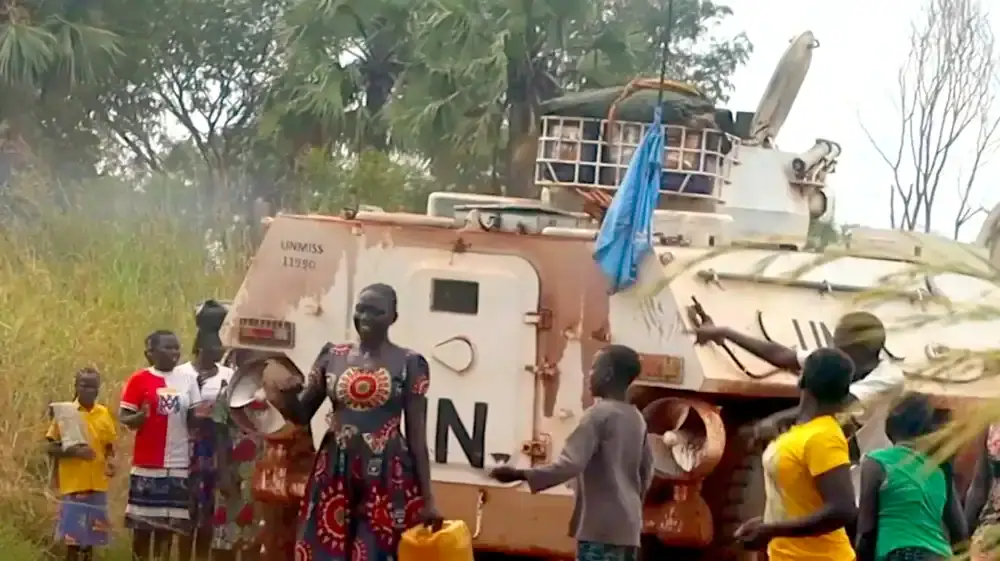
The sounds of gunshots in Lui, Western Equatoria, signaled danger, prompting mothers to swiftly gather their children and flee into the bush, carrying essential items to survive. Despite the chaos, they prioritized their children's education, using makeshift methods such as cassava flour as chalk and mud as blackboards to teach the alphabet. This determination to educate their children has allowed Lui to maintain some level of educational stability.
The community's history of violence stretches back decades, with Lui's residents experiencing displacement, loss, and rebuilding. Village Elder Isaac Majawa emphasized that his focus on vocational training for the youth stems from the community's isolation and lack of access to education elsewhere. Since 1955, the people of Lui have endured suffering, with children born, growing up, and dying without experiencing peace.
A younger generation, familiar with displacement and insecurity, shares Majawa's concerns. Isaac Budrako, a youth representative, made an emotional appeal during a community engagement, stating that his name, meaning "a person without a country," reflects his community's plight. Budrako questioned whether the children of Lui must also grow up in conflict, expressing the community's exhaustion with the ongoing violence.
The youth of Lui face significant challenges, including unemployment and limited opportunities, which can make them vulnerable to substance abuse and other negative influences. However, many remain committed to helping their community heal. Fredrick Michael, a youth leader, described organizing football tournaments to bring together children affected by conflict, providing a space for them to heal and learn to live together.
These community-led initiatives offer moments of happiness and friendship, demonstrating that even in conflict-affected areas, opportunities for hope and reconciliation exist. Gibson Modi, a resident who has experienced repeated displacement, shared his family's story of resilience, highlighting their determination to rebuild and start anew each time they fled from violence.
The people of Lui are calling for security that would enable them to return to their farms, send children to school, and access healthcare without fear. Their stories, shared during a patrol by peacekeepers from the United Nations Mission in South Sudan (UNMISS), were part of the Hear Us, Act Now for Peace campaign, which aims to listen to and address community concerns.
The UNMISS patrol and community engagement demonstrate the ongoing efforts to address the concerns of conflict-affected communities in South Sudan. The people of Lui continue to plead for peace, a fundamental prerequisite for rebuilding their lives and ensuring a brighter future for their children.
Key points
- The community of Lui has shown remarkable resilience in the face of generations of violence.
- Residents are calling for security to enable them to access basic necessities like education and healthcare.
- Community-led initiatives, such as football tournaments, are helping to promote healing and reconciliation among the youth.