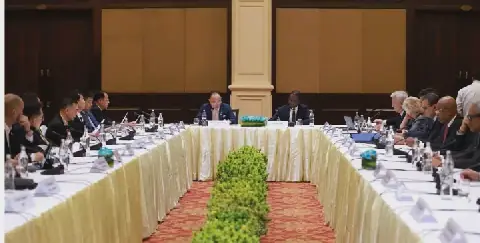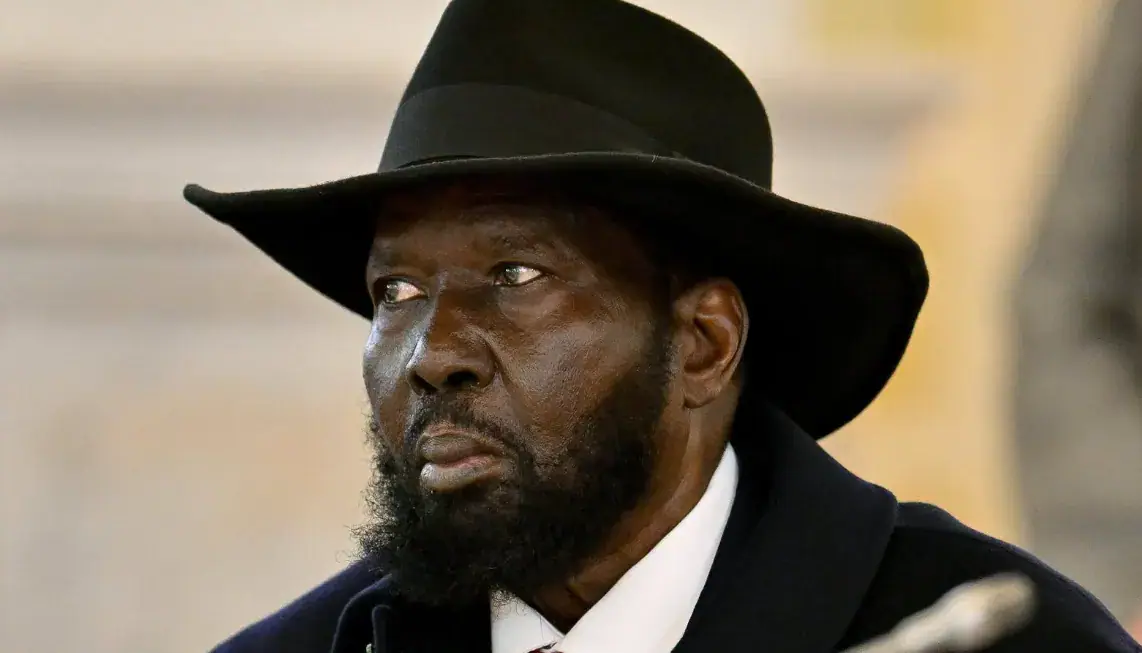
South Sudan's President Salva Kiir dissolved both houses of the Transitional National Legislature on September 22, 2026, and installed a caretaker administration, just three months before the general elections were scheduled to take place. The National Elections Commission (NEC) announced on November 14, 2026, that polling would be delayed from December 22, 2026, to February 11, 2027, citing the need for more time to distribute voter registration materials and complete other preparations.
The delay has raised concerns over the legality of the move, with some questioning the Commission's power to postpone the elections nationwide. According to the National Elections Act of 2012, as amended in September 2026, the NEC is directed to organize elections in December 2026, within the final 60 days of the transition. The Commission's decision to move the vote to February has been questioned, with some arguing that it contradicts the constitutional mandate for a December election.
The dissolution of parliament and the installation of a caretaker administration have also raised concerns over the governance of the country. With the elections delayed, the country is left with only 11 days between polling and the agreed end of the transition on February 22, 2027. This has raised questions over who will govern the country and who will hold them accountable if the handover runs past the agreed deadline.
The peace agreement that established the transitional government requires that any amendments be made through a specific procedure, which includes the consent of at least two-thirds of the Council of Ministers and at least two-thirds of the voting members of the Reconstituted Joint Monitoring and Evaluation Commission (RJMEC). However, RJMEC has stated that the July 2026 changes to the law were made without the consent of its voting members, which could render the changes invalid.
The caretaker administration's legitimacy has also been questioned, with some arguing that it is based on invalid reforms. If the reforms are found to be invalid, it could have significant implications for the governance of the country and the upcoming elections. The Commission must show that it has the lawful authority to postpone the elections and that it has met the conditions for using that power.
The National Elections Commission's decision to delay the elections has also raised concerns over the impact on voters and candidates. With the compressed deadlines for qualifying and campaigning, some have questioned whether candidates will have equal opportunities to participate in the elections. Additionally, voters have less time than the law guarantees to check the register and correct mistakes.
The delay has sparked concerns over the stability and legitimacy of the transition process in South Sudan. With the country's transition period set to end on February 22, 2027, the international community is watching closely to ensure that the elections are held in a free, fair, and transparent manner.
Key points
- The National Elections Commission's decision to delay the elections to February 2027 has raised concerns over the legality of the move and the impact on voters and candidates.