The South Sudanese government has expressed disappointment over its exclusion from consultations on a UN Security Council resolution renewing the mandate of the United Nations peacekeeping force in Abyei. Ambassador Sabino Edward Nyawela Amaikwey, South Sudan's representative to the United Nations, welcomed the renewal but noted that Juba had not been formally consulted during the drafting process. The Security Council adopted Resolution 2838 (2026) on November 13, extending the mandate of the United Nations Interim Security Force for Abyei (UNISFA) for another year until November 15, 2027.
The resolution received 13 votes in favour, with China and Russia abstaining. Ambassador Nyawela expressed regret that South Sudan's legitimate concerns were not adequately reflected in the final resolution. He emphasized that peace and stability should remain the ultimate measure of progress in Abyei, rather than introducing additional requirements that could prove difficult to implement. The ambassador also cautioned the Security Council against assuming that introducing additional benchmarks would automatically lead to progress in resolving the Abyei dispute.
South Sudan argued that international efforts should focus on encouraging cooperation between Juba and Khartoum and supporting initiatives aimed at achieving a peaceful resolution of their outstanding disagreements. The government urged the Security Council to support existing bilateral and joint mechanisms between South Sudan and Sudan, arguing that unresolved issues concerning Abyei should be addressed through those channels rather than becoming points of contention within the Council.
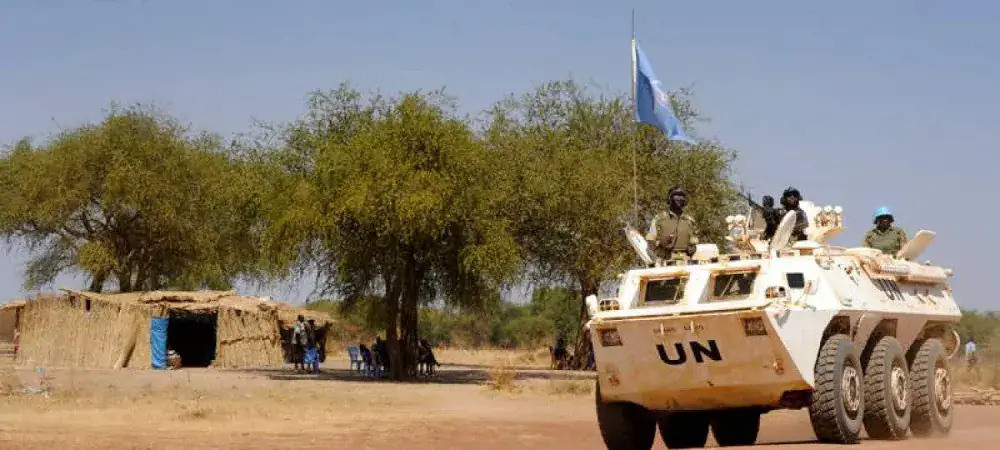
UNISFA was established by the Security Council in June 2011 following violence in Abyei ahead of South Sudan's independence. The mission is mandated to monitor the security situation, support the demilitarisation of the area, and facilitate the delivery of humanitarian assistance. Abyei remains disputed between South Sudan and Sudan, with the two countries yet to reach a final agreement on its status.
The area has also faced recurring security challenges, including intercommunal violence and tensions involving armed groups. The latest mandate renewal maintains the UN's security presence in the contested territory as diplomatic efforts to resolve its political status remain unfinished. Ambassador Nyawela encouraged the Council to sustain its support for bilateral and joint mechanisms and facilitate an environment conducive to cooperation, dialogue, and peaceful resolution of outstanding issues.
The South Sudanese government's concerns over the UNISFA mandate renewal highlight the complexities of the Abyei dispute and the need for greater cooperation between Juba and Khartoum. The UN Security Council's decision to extend the mandate of UNISFA demonstrates its commitment to maintaining peace and stability in the region. However, the lack of consultation with South Sudan during the drafting process has raised concerns about the effectiveness of the resolution.
The situation in Abyei remains a critical issue for the international community, with ongoing diplomatic efforts to resolve the dispute. The UN's continued presence in the region is crucial in maintaining peace and stability, and the Security Council's decision to extend the mandate of UNISFA is a step in the right direction. However, greater cooperation and dialogue between Juba and Khartoum are necessary to achieve a lasting resolution to the Abyei dispute.
Key points
- South Sudan's UN ambassador expressed disappointment over the lack of consultation during the UN Security Council resolution drafting on UNISFA mandate renewal.
Reporting sources
- South Sudan protests exclusion from UNISFA mandate drafting · sudanspost.com