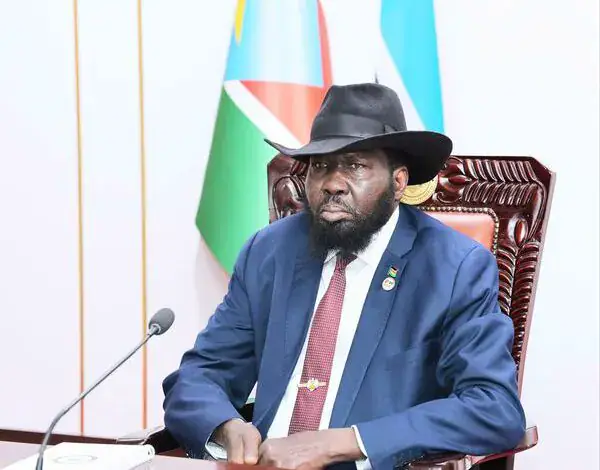
South Sudan's National Elections Commission announced on November 14 that it would postpone presidential and legislative elections, initially scheduled for December 22, 2026, to February 11, 2027. This marks the latest delay in a series of postponements since the country's independence from Sudan in 2011. The new schedule extends the preparation and electoral process by 51 days.
According to the revised schedule, voter registration will begin on November 14 and continue until November 28, with 22,127 employees deployed to facilitate the process. The registration will take place at 3,161 centers across the country's ten states and three administrative areas. The electoral process has faced several challenges, including political disagreements, limited funding, and security concerns.
The elections, initially planned for 2022, have been postponed multiple times due to difficulties related to the transitional period and the implementation of the 2018 revitalized peace agreement. The agreement aimed to end the civil war, arrange a transitional period, and pave the way for general elections. The postponement has raised concerns about the ability of transitional authorities and electoral institutions to complete the necessary requirements for a credible election.
The United Nations warned in September that the conditions for a peaceful and credible election in South Sudan were not yet in place, citing political and security tensions. The postponement has renewed uncertainty about the country's first general elections since independence, with questions surrounding the readiness of electoral institutions and the government's ability to ensure a smooth process.
The electoral process faces significant challenges, including the implementation of the peace agreement, security concerns, and limited resources. Despite these challenges, the government and electoral institutions are working to ensure that the elections take place in a peaceful and transparent manner. The international community is closely monitoring the situation, with the African Union and other organizations providing support and guidance.
The delay has sparked concerns among citizens, who have been waiting for the country's first general elections since independence. The elections are seen as a crucial step towards consolidating democracy and stability in the country. The government has assured citizens that the postponement is a necessary measure to ensure that the elections are conducted in a free, fair, and transparent manner.
The new election schedule sets the campaign period from December 27, 2026, to February 9, 2027, with a quiet period on February 10, preceding the election. The final results are expected to be announced on February 15 and published the following day. The postponement has given the electoral institutions additional time to prepare for the elections, but concerns remain about the country's readiness to hold a credible and peaceful election.
Key points
- The elections have been postponed multiple times due to challenges related to the transitional period and the implementation of the 2018 revitalized peace agreement.