South Sudan has postponed its first presidential and parliamentary elections to February 11, 2027, from the previously scheduled date of December 22. The National Election Commission published the revised timetable on social media on Saturday, coinciding with the start of nationwide voter registration. The commission spokesperson, Josephine Achiro Fortelo, stated that the timeline followed thorough consultations with stakeholders, although no formal reason for the delay was provided.
The postponement comes amid significant challenges, including acute funding shortages, logistical gaps, and rising violence across the world’s youngest nation. Since gaining independence from Sudan in 2011, South Sudan has delayed its inaugural ballot multiple times, including in 2022 and 2024. The country has been facing immense pressure to hold its first elections, which were initially scheduled to take place in 2015.
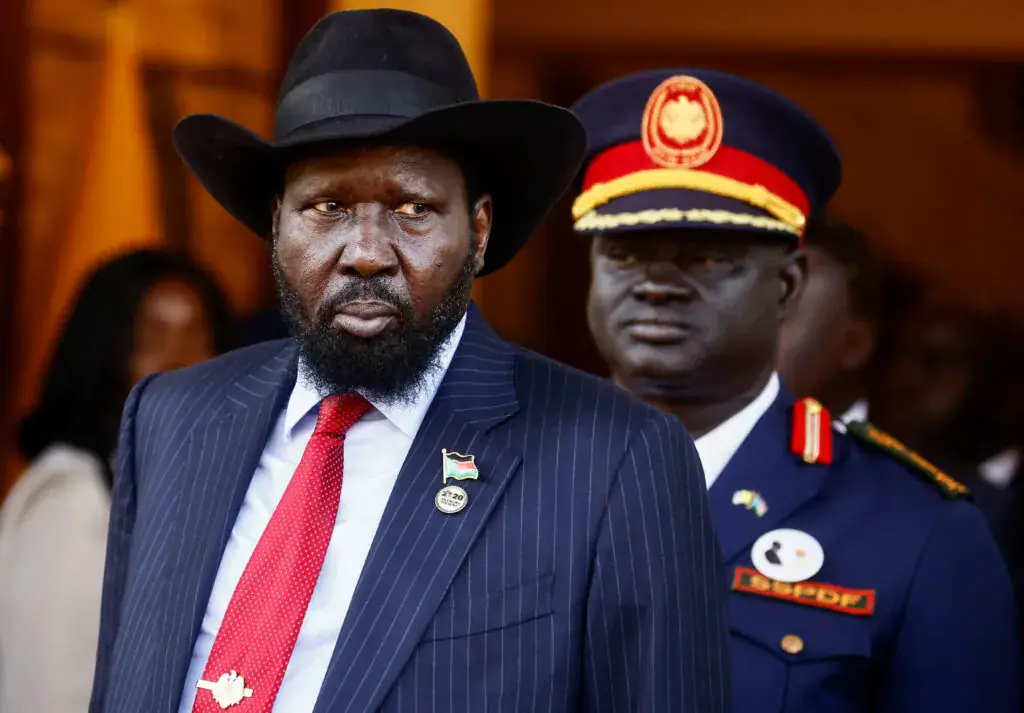
The postponement follows a series of political tensions, including President Salva Kiir’s dissolution of the transitional unity government in September. He replaced it with a caretaker administration, allowing officials to pursue elections without completing a national census or a permanent constitution. Analysts and human rights monitors warned that this move concentrated authority in Kiir’s hands and threatens a fragile 2018 peace agreement.
The 2018 peace agreement ended a five-year civil war between Kiir’s forces and fighters loyal to detained former Vice President Riek Machar. The conflict resulted in at least 400,000 deaths. Yasmin Sooka, chair of the United Nations Commission on Human Rights in South Sudan, described the dissolution of the power-sharing deal as a “constitutional coup through legislative reforms.”
Security in the country has deteriorated in recent months, with deadly clashes escalating between government troops and Machar’s supporters. Machar has been under house arrest since last March on charges of crimes against humanity. Local ethnic fighting and cattle-rustling battles have further strained the impoverished country of roughly 15 million people.
Violence has also affected Kiir’s ruling Sudan People’s Liberation Movement, or SPLM. On Thursday, gunmen killed two SPLM delegates in Miri Loko village in Western Equatoria state. The victims were returning from party primaries and congresses. One of those killed was Veronica Lucy Gordon, a former South Sudan Broadcasting Corporation journalist recently nominated for a women’s seat in the National Legislative Assembly.
The international community has expressed concern over the security situation and the impact on the electoral process. The postponement of the elections has raised concerns about the country’s transition to democracy and the potential for further violence. The African Union and other international organizations have called for calm and urged the government to ensure a peaceful and inclusive electoral process.
Key points
- The elections were postponed due to funding shortages, logistical gaps, and rising violence.
- The postponement follows a series of political tensions, including President Salva Kiir’s dissolution of the transitional unity government.
- The security situation in the country has deteriorated in recent months, with deadly clashes escalating between government troops and Machar’s supporters.
Reporting sources
- South Sudan postpones first post-independence national elections to February 2027 · Ghana Broadcasting Corporation