The Chairperson of South Sudan's National Elections Commission (NEC), Gabriel Bol Deng, has called on journalists to prioritize local languages in voter education and electoral reporting. This effort aims to ensure citizens understand their voting rights and responsibilities before the December 22, 2026 general elections. Bol Deng emphasized the critical role of journalists in informing and educating the public as the NEC prepares to establish voter registration centres nationwide.
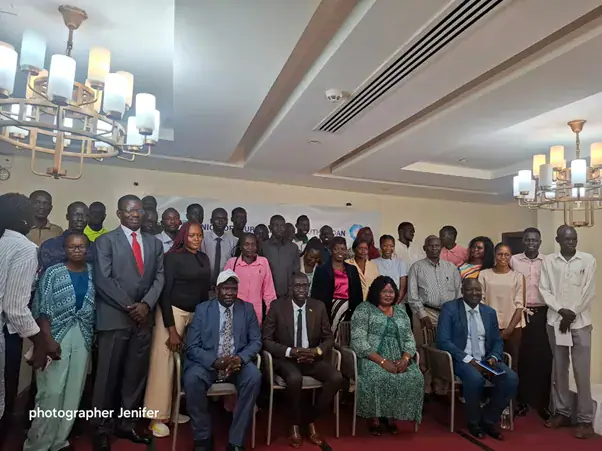
The NEC has confirmed 3,101 voter registration centres across the country and is seeking journalist support for public awareness campaigns. Accurate, timely, and accessible information about the electoral process is crucial. The Union of Journalists of South Sudan (UJOSS) and the NEC are collaborating on a two-day training workshop for journalists. The workshop, themed "Ethical, Unbiased, and Inclusive Election Reporting," aims to strengthen media capacity ahead of the elections.
More than 50 journalists from various media organizations are participating in the workshop to enhance their understanding of electoral laws, professional ethics, and balanced reporting principles. Bol Deng highlighted the importance of this training, as journalists will be deployed nationwide to cover electoral activities. He also announced additional training sessions to familiarize journalists with electoral laws and regulations.
Bol Deng cautioned journalists against circulating unverified election notices and results on social media. He urged them to verify information sources and distinguish between facts and opinions. Journalists were also warned against misinformation, disinformation, hate speech, and digitally manipulated content. The NEC has strengthened its legal framework and introduced regulations to clarify electoral procedures for journalists.
The use of local languages in voter education is crucial, as limiting it to English may prevent citizens, especially in rural areas, from understanding the electoral process. Bol Deng encouraged media practitioners to give adequate coverage to women and young people, highlighting their role in promoting peaceful and credible elections. He also emphasized the importance of obtaining accreditation to facilitate journalists' access to polling centres and election-related activities.
The Managing Director of the Media Authority, Ajou Luol Akuei, called on journalists to uphold professional standards and obtain legal accreditation. He stressed the need for honesty, accuracy, and impartiality in election coverage. Akuei assured journalists that the Media Authority would work with the NEC to protect them from intimidation, harassment, and arbitrary arrests while covering electoral activities.
The Chairperson of UJOSS, Oyet Patrick, emphasized journalists' responsibility to provide accurate information and balanced coverage of all stakeholders involved in the electoral process. He urged journalists to rely on credible sources, particularly the NEC, and warned against reliance on unverified information that could mislead the public and trigger tensions.
Key points
- Journalists are urged to prioritize local languages in voter education and electoral reporting to ensure citizens understand their voting rights and responsibilities.
- The NEC has confirmed 3,101 voter registration centres nationwide and is seeking journalist support for public awareness campaigns.
- Journalists are warned against circulating unverified election notices and results on social media and urged to uphold professional standards.