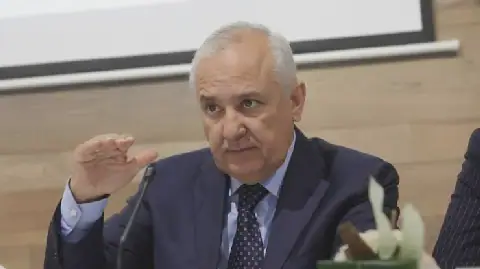
The Ministry of Health in South Sudan, in collaboration with the South Sudan Cancer Network and with support from the World Health Organization (WHO), the International Agency for Research on Cancer (IARC), and the African Cancer Registry Network (AFCRN), has established the country's first cancer registry at Juba Teaching Hospital in Juba. This registry marks a significant shift from estimating the country's cancer burden using modelled data to using observed national data. The registry aims to provide critical evidence on the most common cancers and populations at greatest risk.
According to the International Agency for Research on Cancer (IARC), over 8,000 new cancer cases and over 5,000 deaths were estimated to have occurred in South Sudan in 2024, making cancer one of the leading causes of premature deaths and disability in the country. The Minister of Health, Hon. Dak Duop Bichok, emphasized the seriousness of the cancer burden in South Sudan, highlighting the lack of reliable national data to determine the actual number of people affected and the type of cancer.
The cancer registry will enable the government and its partners to strengthen cancer prevention and control policies, improve service planning, optimize resource allocation, and ultimately reduce cancer-related morbidity and mortality. The registry will provide critical information on the most common cancers and populations at greatest risk, allowing for targeted interventions and improved health outcomes.
Dr. Mutale Nsakashalo, Cluster Lead for Health Programs at WHO South Sudan, commended the government for its commitment to strengthening cancer prevention and control efforts. The WHO supported the establishment of the cancer registry by providing critical office furniture and equipment, including computers and printers. The organization will also support data-collection software and provide technical guidance to the registry team.
The investment in the cancer registry will help ensure its sustainable functioning and the generation of quality data needed to guide evidence-based decision-making, mobilize resources, and strengthen cancer prevention, diagnosis, treatment, and palliative-care services across the country. The WHO remains committed to collaborating with all stakeholders to implement priority health interventions in South Sudan.
The launch of the cancer registry is a significant milestone in South Sudan's efforts to strengthen its public health infrastructure. The registry will serve as a critical tool for planning and strengthening comprehensive cancer services, including prevention, early detection, diagnosis, treatment, survivorship, and palliative care.
The government of South Sudan, with support from international partners, is working to improve health outcomes for its population. The cancer registry is a key component of these efforts, and its launch marks a significant step towards reducing the burden of cancer in the country.
Key points
- The cancer registry will provide critical evidence on the most common cancers and populations at greatest risk.
Reporting sources
- A landmark step for public health: South Sudan launches first-ever cancer registry · Pan African Visions