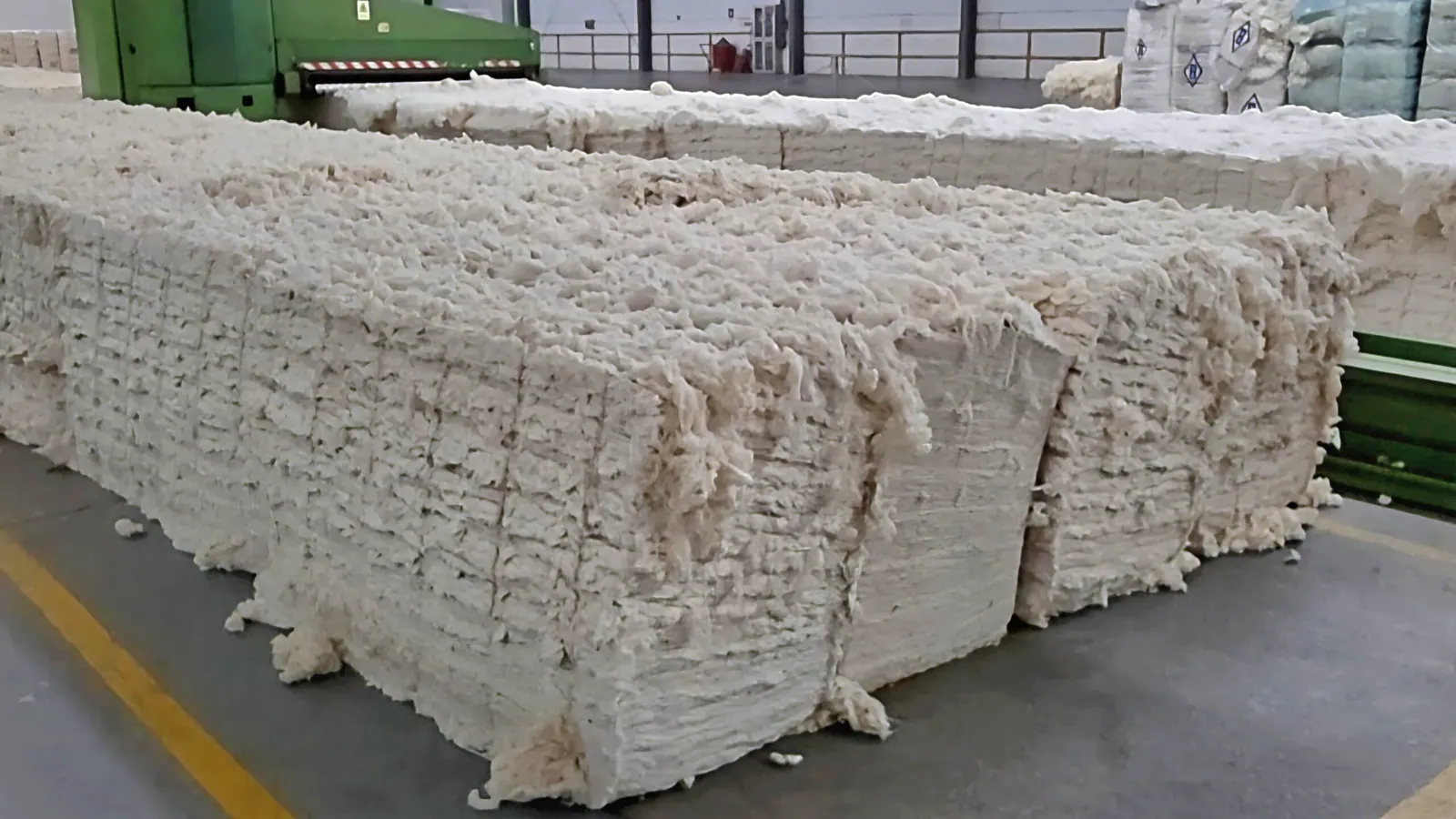
South Sudan is yet to tap into its vast cotton production potential, despite having 48 million hectares of black cotton soil available. The country's overreliance on oil revenue is denying it significant revenue from agriculture, which remains largely unmechanized. With a growing population of 2.03 percent per year, South Sudan will need more textiles to clothe its people. According to Radio Tamazuj, the country's lag in cotton production is striking, especially when compared to other African nations.
Africa has cotton, but China has textile mills. The continent exports raw cotton to China, where it is turned into yarn and fabric, and then transported back to Africa as a finished product. Cameroon, for instance, exports nearly 38 percent of its lint to China, making it one of the top cotton exporters to Asia. In 2023, Cameroon exported $12 million worth of cotton to China, with its market extending to countries such as Bangladesh, Vietnam, and Indonesia.
The global demand for clothing registered a 19 percent increase in sales to $211 billion in 2023. Africa offers a growing market for affordable attire, with 1.58 billion people in need of clothing. However, the continent continues to depend on European and Asian products to satisfy its growing market demand. Most raw materials, like cotton, are produced in Africa but processed elsewhere.
China's textile industry has invested heavily in spinning and weaving technology, with companies like Wuxi No.1 Cotton Textile Group in Beijing producing 40,000 tonnes of yarn and 50 million meters of fabric annually. The company's products are sold into global textile markets, including Juba, and its TALAK brand is registered in 55 countries and regions. Wuxi No.1 has also invested in Ethiopia, where its 100,000-spindle first-phase plant began production in 2019.
The World Trade Organization (WTO) says around 98 percent of cotton from West and Central Africa is exported as raw fibre. To address this, the WTO has backed efforts to attract investment into regional cotton-textile-garment value chains. The International Trade Centre's executive director, Pamela Coke-Hamilton, emphasized that "the future of African cotton lies in value addition." A new phase of the regional cotton partnership aims to mobilize $5 billion in investment over 10 years.
Zhu Ping An, vice director of Wuxi No.1's sales department, highlighted the importance of quality control and technology in the textile industry. The company is moving towards "Industrial 4.0," with sensors and centralized monitoring helping track machinery and maintain quality. This approach has enabled Wuxi No.1 to reduce its labor force while maintaining quality, as rising labor costs in China have increased pressure from countries like India and Pakistan.
South Sudan can learn from China's established cotton production and create value further down the supply chain. With a ready market in China, the country has the potential to produce and export cotton. However, it needs to address quality problems and invest in production technology to improve its competitiveness. The country's experience with Wuxi No.1 and other international partners may provide a way forward for its textile industry.
Key points
- South Sudan has 48 million hectares of arable land suitable for cotton farming, but its overreliance on oil revenue hinders agricultural development and mechanization.
- The country's lag in cotton production is significant compared to other African nations, with Cameroon exporting $12 million worth of cotton to China annually.
- The WTO aims to mobilize $5 billion in investment over 10 years to develop regional cotton-textile-garment value chains in Africa.