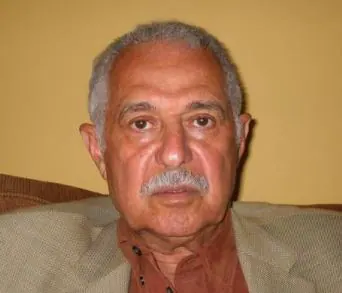
Professor Taj Elkhazin, an Associate Professor at the Norman Paterson School of International Affairs at Carleton University in Ottawa, Canada, has stated that South Sudan currently lacks the financial and technical capacity to implement the proposed Grand Fula hydropower project near Nimule. According to Professor Elkhazin, plans for hydropower generation at Fula have been under consideration since before South Sudan gained independence in 2011. The project aims to harness the energy potential of the Nile River.
The Fula site has been associated with different hydropower proposals, including the 42-megawatt Fula Rapids project and the much larger Grand Fula project. Previous studies have estimated the capacity of the larger project at about 890MW, although more recent estimates have varied. Professor Elkhazin said the larger project was estimated to cost about $2bn. A company called Hydroarch had conducted a pre-feasibility study, and further feasibility work is required before the project can proceed.
A visit by South Sudan’s Minister of Energy and Dams, Agok Makur Kur, and representatives of the European Union to the Fula site in April 2026 indicates the government's interest in the project. According to Professor Elkhazin, the South Sudan-Uganda Power Interconnection Project remains an immediate priority, while the Fula Dam is part of the government’s longer-term energy strategy. The project is considered long-term, and its implementation will depend on various factors, including financial and technical capacity.
Professor Elkhazin believes that a dam designed primarily for hydropower generation would have a limited impact on the overall flow of the Nile. He said there could be some additional evaporation because water would be stored in a reservoir, but argued that the effect on the river’s overall flow would otherwise be limited. Egypt’s response to the Fula project appears to reflect this distinction, as the country is more concerned about dams that retain water for irrigation than projects designed primarily to generate electricity.
Beyond Fula, Professor Elkhazin identified other areas with hydropower potential in South Sudan, including the Baro and another tributary of the Sobat River, which originate in Ethiopia before flowing into South Sudan. He estimated that projects involving the tributaries could generate up to 400MW, although a major dam would need to be built in Ethiopia due to the terrain. The Sue and Buseri rivers in the Bahr al-Ghazal region also have hydropower potential.
Professor Elkhazin emphasized the need for South Sudan to develop a national water strategy covering both irrigation and electricity generation. He also called for the government to strengthen ministries responsible for water and energy and address the gap between experienced officials and younger professionals entering the sector. Sound fiscal and financial management are crucial, as international donors or investors will not provide the full $2bn required for the project.
Professor Elkhazin urged the government to improve governance and institutional capacity to oversee major projects. He argued that stronger systems for monitoring public funds and managing projects are needed, alongside greater capacity within relevant government ministries. Unless South Sudan strengthens its government institutions, technical expertise, and financial management, the proposed Fula Dam may remain a long-term project.
Key points
- South Sudan lacks financial and technical capacity to implement the Grand Fula hydropower project.
- The project has an estimated cost of $2bn and a potential capacity of 890MW.
- Improving governance and institutional capacity is crucial for the project's success.