In Lui, South Sudan, a community has shown extraordinary resilience in the face of decades-long conflict. Mothers in the village recall gathering their children and fleeing into the bush whenever gunshots shattered the night quiet. Despite the chaos, they prioritized their children's education, carrying books with them and using makeshift teaching methods. Mama Lilly Ginaba, a women's leader, shared her story of using cassava flour as chalk and creating blackboards from mud to teach the alphabet.
The community's struggle stretches back to 1955, with village Elder Isaac Majawa highlighting the need for vocational training for youth. With the country in the center of conflict, Majawa emphasized that their people have nowhere else to go and are unable to access education elsewhere. He expressed concern for the future of the youth, who are born, grow, and die without experiencing peace. This concern is shared by a generation of young people who have grown up with displacement and insecurity.
Young people in Lui face significant challenges, including unemployment and limited opportunities. Youth representative Isaac Budrako made an emotional appeal during a community engagement, stating that his name, meaning "a person without a country," reflects his experience growing up in conflict. Budrako questioned whether the next generation must also grow up in conflict, emphasizing the community's desire for peace. He noted that some young people are vulnerable to substance abuse and other harmful influences due to their circumstances.
Despite these challenges, many young people in Lui remain committed to helping their community heal. Youth leader Fredrick Michael described organizing football tournaments to bring together children affected by conflict. These events provide a space for children to play, heal, and learn to live together as one community. On a dusty football field, these children find moments of happiness and friendship, demonstrating that opportunities for hope and reconciliation exist even in conflict-affected communities.
For Gibson Modi, rebuilding has been a lifelong lesson. Each time violence forced his family to flee, they had to start anew. Modi emphasized that his family never gave up, building new shelters and starting again every time they fled. This experience has left communities in Lui calling for security that would allow them to return to their farms, send children to school, and access healthcare without fear.
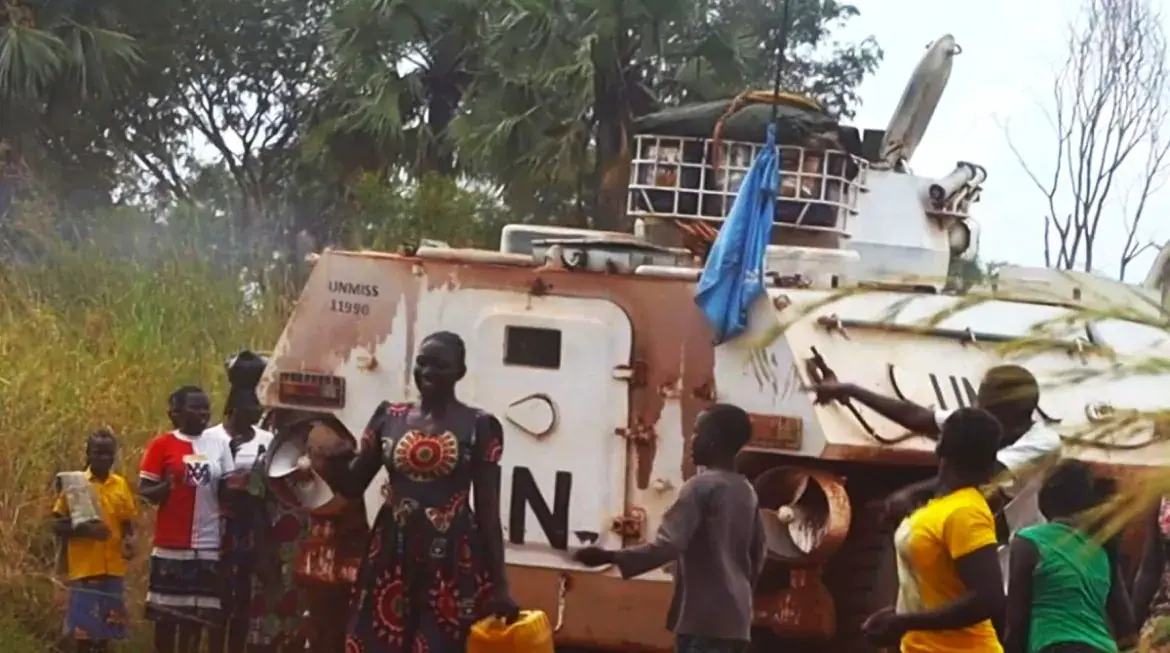
The United Nations Mission in South Sudan (UNMISS) has been engaging with the community in Lui as part of their Hear Us, Act Now for Peace campaign. Njoki Kinyanjui, Head of the UNMISS Field Office in Yambio, reaffirmed the Mission's commitment to working with local and state authorities to address community concerns and support peacebuilding. Kinyanjui stated that the Mission will discuss community concerns with state and county authorities to provide support.
As peacekeepers prepared to leave Lui, residents emphasized their desire for opportunities for their children, security for their families, and the freedom to rebuild their lives without repeatedly fleeing violence. For Mama Lilly Ginaba and other mothers, education was a way to protect their children's future during times of conflict. The people of Lui hope that their future will be one of peace, where the next generation can carry schoolbooks to classrooms, not into the bush while escaping gunfire.
Key points
- Community in Lui, South Sudan, prioritized education during conflict
- Youth face challenges including unemployment and limited opportunities
- UNMISS engages with community to support peacebuilding efforts